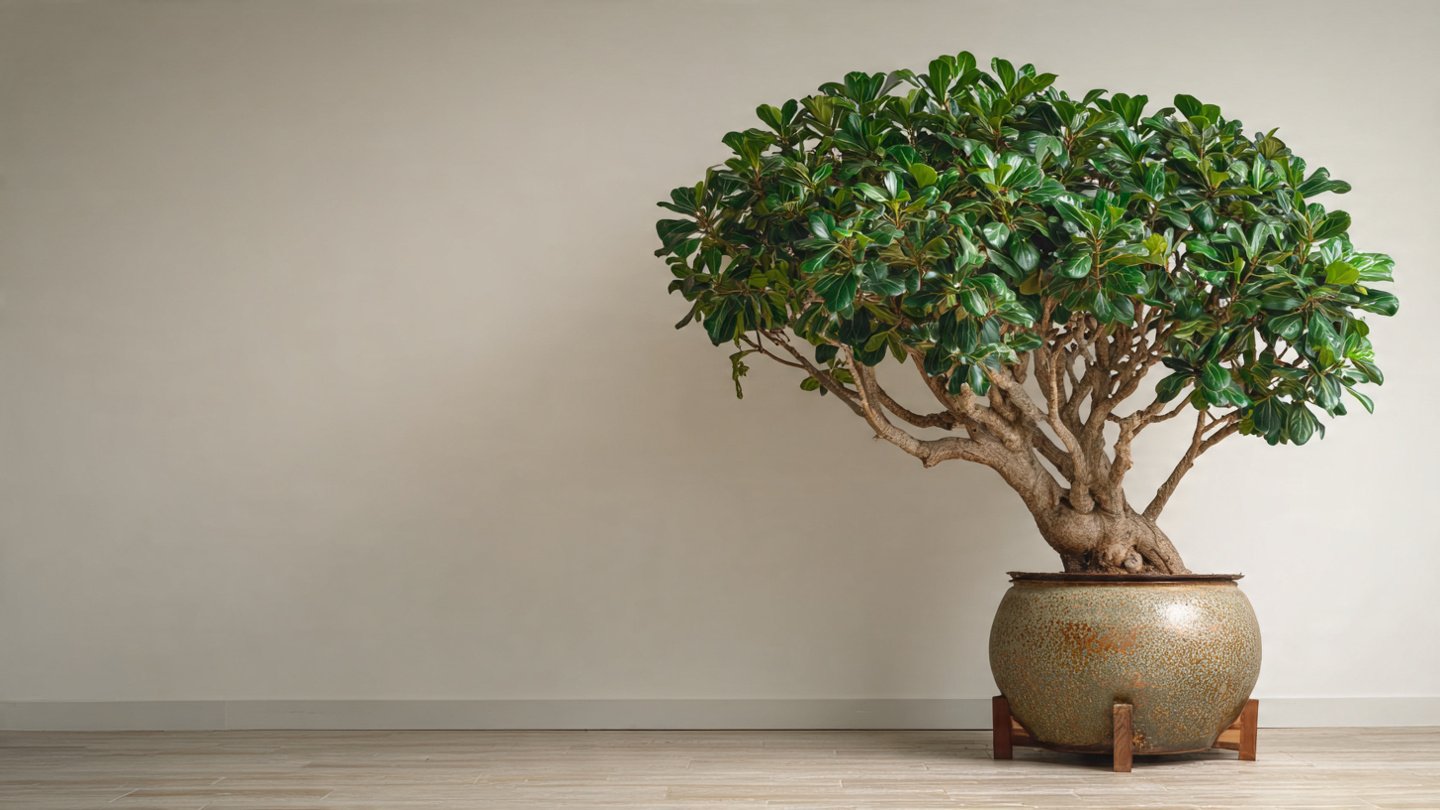
The Banyan Fig (Ficus benghalensis) is a remarkable tree known for its aerial roots and expansive growth, making it a stunning centerpiece in any landscape. However, it can quickly become overwhelming due to its size if not managed properly. Fortunately, there are several easy hacks that you can use to keep your Banyan Fig small and manageable, suitable for both outdoor and indoor spaces. This article will delve into practical strategies, care tips, and FAQs to help you maintain a thriving, compact Banyan Fig tree.
Understanding the Banyan Fig
Before we delve into management hacks, it’s essential to understand the natural growth patterns of the Banyan Fig. This tree can spread over large areas and grow upwards to 100 feet in height in the wild. However, in a controlled environment, the right techniques can help you enjoy this magnificent tree without overwhelming your space.
Environment Considerations
-
Location: Whether indoor or outdoor, the location should get ample indirect sunlight. Direct sunlight can scorch the leaves, while too little light will hinder growth.
-
Soil Type: Use well-draining soil to prevent root rot. A mix of potting soil and compost can provide the necessary nutrients while keeping moisture levels in check.
-
Container Size: If you’re growing a Banyan Fig indoors, choose a pot that’s not too large. A smaller container restricts root growth, which in turn limits the overall size of the tree.
Easy Hacks for Keeping Your Banyan Fig Small
1. Pruning
Pruning is the most effective method to maintain your Banyan Fig’s size. It not only controls height but also encourages bushier growth.
-
When to Prune: The best time to prune is in early spring, just before new growth begins. This allows the tree to recover quickly and encourages new growth where you want it.
-
How to Prune: Use sharp, clean pruning shears to remove unwanted branches. Focus on cutting back any leggy growth or branches that are overcrowded. Aim to create an open, balanced shape to allow light to penetrate the tree.
2. Pinching
Pinching the tips of the new growth can prevent the tree from becoming overly tall and helps promote a fuller appearance.
- Technique: Use your thumb and forefinger to pinch off the light green new growth at the end of the branches. Aim to do this every few weeks during the growing season to maintain a compact shape.
3. Root Pruning
For potted Banyan Figs, root pruning is crucial to limit size.
-
When to Root Prune: Every couple of years, or when you notice that the tree is root-bound, it’s time to root prune.
-
How to Root Prune: Remove the tree from the pot carefully. Trim about one-third of the roots and replant it in the same or slightly larger container using fresh soil.
4. Controlled Watering
Proper watering habits can dramatically affect the growth rate of your Banyan Fig.
-
Technique: Water only when the top inch of soil feels dry. Overwatering can lead to rapid growth and root rot, while underwatering can compromise health.
-
Observation: Monitor your tree regularly. Yellowing leaves can be a sign of overwatering, whereas browning leaf tips might indicate underwatering.
5. Fertilization Control
Nutrient control is vital in keeping your Banyan Fig small.
-
When to Fertilize: Use a balanced, slow-release fertilizer during the active growing season (spring and summer).
-
How Much to Fertilize: Use fertilizer sparingly. Over-fertilization can lead to rapid, excessive growth. A diluted half-strength solution works well.
6. Choose Varieties Wisely
Not every Banyan Fig is made equal. Some cultivars stay smaller than others.
- Check Varieties: Look for varieties like Ficus microcarpa, which are more suitable for constrained spaces but still showcase the Banyan Fig’s unique qualities.
7. Light Management
Lighting can influence growth patterns dramatically.
-
Indirect Light: Position your Banyan Fig where it receives bright, indirect sunlight. Too much direct sunlight can cause stress, whereas too little light can stunt growth.
-
Artificial Light: If natural light is insufficient, consider using grow lights to provide the necessary illumination without stressing the plant.
Indoor vs. Outdoor Management
Managing Indoor Banyan Figs
-
Humidity: Indoor conditions can often be too dry. Use a humidifier or place a pebble tray filled with water beneath the pot to increase humidity levels.
-
Rotate Regularly: Rotate the pot periodically to ensure uniform light exposure and growth.
Managing Outdoor Banyan Figs
-
Space Management: If planting outdoors, make sure to space them far enough apart from other plants to allow for air circulation.
-
Seasonal Protection: For regions with frost, consider bringing your indoor Banyan Fig outside during warmer months for optimal growth.
Troubleshooting Common Issues
-
Leaf Drop: This can indicate stress from overwatering, underwatering, or sudden changes in environment. Adjust your care routine accordingly.
-
Pests: Check for signs of pests such as spider mites or mealybugs. Treat infestations promptly with neem oil or insecticidal soap.
Conclusion
Maintaining a small, manageable Banyan Fig in any space is achievable with the right techniques and care. By implementing consistent pruning, controlled watering, and strategic fertilization, you can enjoy the beauty of this iconic tree without overwhelming your environment. With dedication and the proper care hacks, your Banyan Fig can thrive and remain a lovely addition to your home or garden for years.
FAQ Section
Q1: How often should I prune my Banyan Fig?
A1: Prune your Banyan Fig once a year in early spring. You can also do light pruning throughout the growing season as needed.
Q2: Can I grow a Banyan Fig indoors?
A2: Yes, Banyan Figs can be grown indoors as long as they receive bright, indirect sunlight and proper humidity.
Q3: What type of soil is best for a Banyan Fig?
A3: A well-draining potting mix enriched with compost is ideal. Avoid compacted or heavy soils that retain excessive moisture.
Q4: How do I know if my Banyan Fig needs water?
A4: Check the top inch of soil. If it feels dry, it’s time to water. Yellowing leaves often indicate overwatering, while drooping can suggest underwatering.
Q5: Are there specific pests to watch for with Banyan Figs?
A5: Yes, common pests include spider mites and mealybugs. Regularly inspect your plant and treat any infestations promptly.
By following these hacks and tips, you can keep your Banyan Fig looking its best while enjoying the charm it brings to your space. Happy gardening!