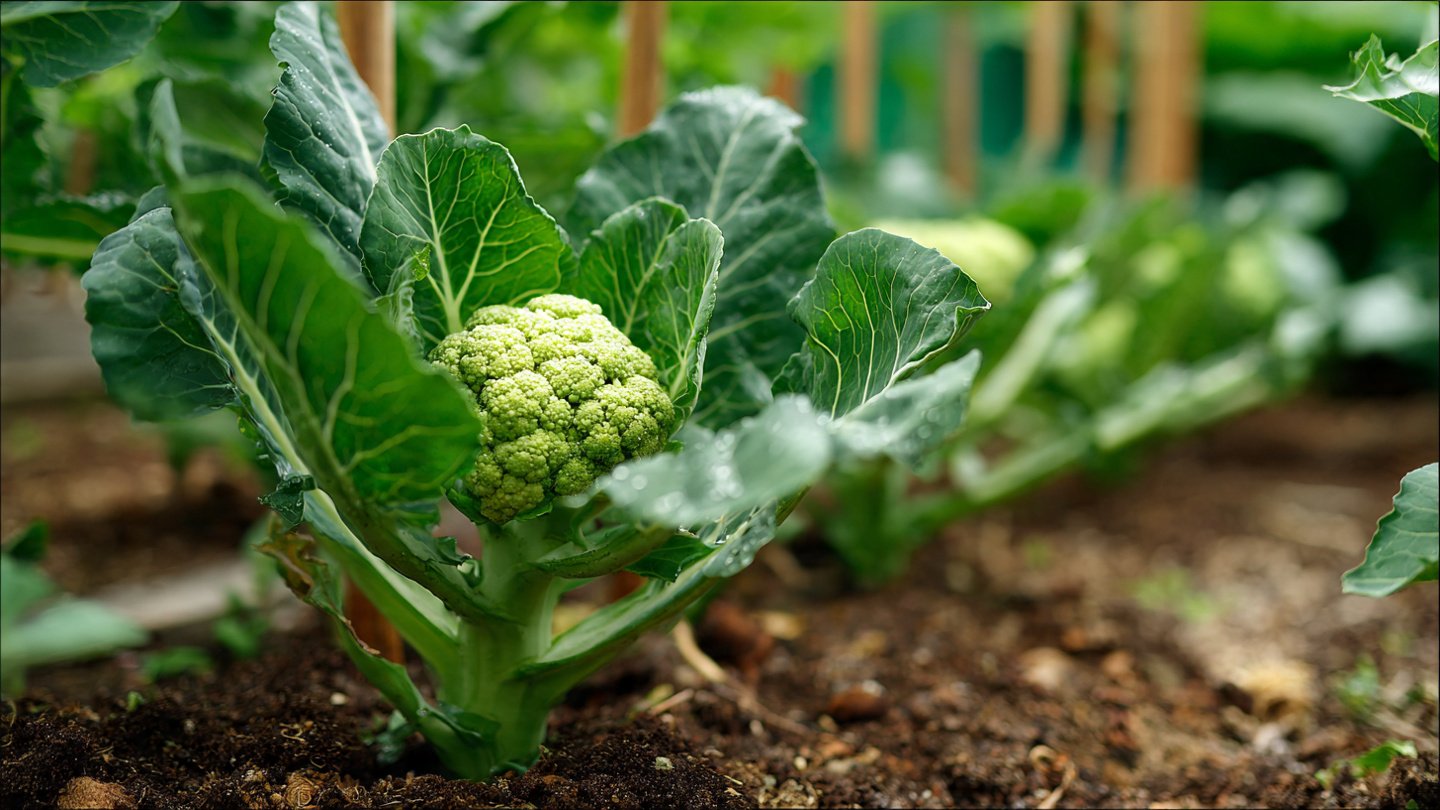
Cauliflower is a remarkable vegetable celebrated for its versatility in cooking and its health benefits. However, growing this cruciferous crop can present challenges, particularly bolting. Bolting occurs when the plant prematurely produces flowers, resulting in a tough, inedible head. In this article, we’ll explore simple gardening techniques to prevent bolting and successfully grow cauliflower, alongside FAQs to enhance your gardening journey.
Understanding Cauliflower and its Growing Conditions
Before diving into techniques, it’s essential to understand the growing conditions and characteristics of cauliflower. This cool-season crop thrives in temperatures between 60°F to 70°F (15°C to 21°C). Fluctuations in temperature can stress the plant and result in bolting.
Cauliflower requires:
- Full Sunlight: At least 6-8 hours of sunlight per day.
- Well-drained Soil: Loamy soil with ample organic matter is ideal.
- Consistent Moisture: Cauliflower needs regular watering, as dry conditions stress the plant.
- Nutrient-Rich Fertilization: A balanced fertilizer, rich in nitrogen, promotes healthy growth.
With a grasp of the fundamentals, let’s focus on actionable steps to cultivate cauliflower while minimizing the risk of bolting.
Key Techniques to Prevent Cauliflower from Bolting
1. Choose the Right Variety
Selecting the right cauliflower variety is first on the list. Some varieties are more bolt-resistant than others. Opt for varieties suited for your climate and specific growing season. For instance:
- Snowball: Known for its resilience to heat and stress.
- Early White: Excellent for cooler regions with shorter growing seasons.
- Graffiti: An attractive purple variety, it’s also relatively bolt-resistant.
2. Timing is Everything
Planting time is crucial. In warmer climates, sow seeds in late summer for fall harvest, as temperatures are cooler. In cooler regions, start seeds indoors 4-6 weeks before the last frost, then transplant them outside. Ensure you time your planting between cool weather periods to reduce stress on the plant.
3. Soil Preparation
Proper soil preparation creates a nurturing environment for seedlings. Here’s how to do it:
- Soil Testing: Test the soil pH; optimal levels range from 6 to 7.
- Organic Matter: Incorporate compost or well-rotted manure to enhance soil structure and fertility.
- Mulching: Apply a layer of mulch around the plants to maintain soil moisture and temperature.
4. Controlled Watering
Consistency in watering is critical for growing healthy cauliflower:
- Regular Schedule: Water deeply and consistently, aiming for 1-1.5 inches per week.
- Avoid Overwatering: Too much water can lead to root rot, while drought stress can lead to premature bolting.
You can check soil moisture by inserting your finger 1-2 inches into the soil. If it feels dry, it’s time to water.
5. Temperature Control
As previously stated, temperature plays a significant role in bolting:
- Shade Protection: Use shade cloths during extreme heat waves to prevent the plant from experiencing stress.
- Transplanting: If temperatures unexpectedly rise, transplanting seedlings to a shaded area can help keep them cool.
6. Fertilization
Nutrient balance is vital for healthy growth. Utilize these tips for effective fertilization:
- Initial Fertilizer: When planting, use a nitrogen-rich fertilizer to promote leafy growth.
- Side Dressing: Apply a mid-season top-dressing of nitrogen-rich fertilizer to encourage strong heads.
7. Pest and Disease Management
Pests can stress your plants, leading to bolting:
- Regular Inspection: Check plants for signs of aphids, cabbage worms, and other pests.
- Natural Predators: Introduce beneficial insects, like ladybugs, to keep pest populations down.
- Organic Sprays: Utilize neem oil or insecticidal soap as a safe, organic approach to pest control.
8. Spacing and Thinning
Proper spacing encourages airflow and minimizes competition for nutrients:
- Thinning: Once seedlings grow 2-3 inches tall, thin them to 18-24 inches apart to ensure ample space for each plant to flourish.
- Plant Density: Avoid overcrowding, as this can lead to stress and conditions conducive to bolting.
9. Regular Monitoring
Stay vigilant by checking your plants regularly. Look for signs of stress:
- Leaf Condition: Yellowing or wilting leaves can indicate issues.
- Head Development: Monitor the size and firmness of the heads; premature softening may indicate impending bolting.
10. Harvest Timely
Timing your harvest is crucial if you want to prevent bolting:
- Head Check: Harvest when the heads are tight and firm. Delaying too long can lead to flowering.
- Cutting Technique: Use a sharp knife to cut the head off, preserving the plant for potential side shoots.
Additional Tips for Success
- Crop Rotation: Practice rotating crops each season to prevent pests and diseases from establishing.
- Companion Planting: Consider planting cauliflower companions like sage and rosemary; these herbs deter pests and encourage healthy growth.
- Season Extension: Utilize row covers in early spring or late fall to protect plants and ensure a longer growing season.
FAQs
1. What is the primary cause of bolting in cauliflower?
Bolting occurs due to stress, primarily from heat or erratic watering. When the plant perceives unfavorable conditions, it diverts energy toward reproduction.
2. How can I tell if my cauliflower is about to bolt?
Signs include leafy growth slowing down, premature softening of heads, or flower stalks emerging. Pay attention to rising temperatures and inconsistent watering.
3. Can I grow cauliflower in pots?
Yes, cauliflower can be grown in pots. Ensure the container is at least 12-18 inches deep for adequate root growth, and maintain consistent moisture and nutrients.
4. Is it necessary to use mulch for cauliflower?
While not strictly necessary, mulch helps maintain moisture, regulate soil temperature, and suppress weeds, greatly benefiting cauliflower growth.
5. What other crops can be grown alongside cauliflower?
Good companions include peas, lettuce, and celery. Avoid planting with other brassicas, as they share similar pest challenges.
6. How do I store cauliflower after harvest?
Store cauliflower heads in the refrigerator, ideally in a perforated plastic bag, to maintain humidity and prolong freshness.
7. Can I grow cauliflower in summer?
Cauliflower prefers cooler temperatures. In mild summer areas, consider growing heat-resistant varieties. Alternatively, use shade cloth to provide necessary temperature control.
8. How often should I fertilize cauliflower?
Generally, fertilizing at planting and a mid-season top-dressing should suffice. Always monitor growth and adjust based on soil quality and plant condition.
Conclusion
Growing cauliflower without bolting may seem daunting, but employing these simple gardening techniques can significantly enhance your chances of success. By selecting the right variety, timing your planting, preparing adequate soil, maintaining consistent moisture, and ensuring proper care, your cauliflower can thrive and produce delicious heads free from early flowering. Keep experimenting, learning, and growing, and you’ll enjoy the fruits of your labor in no time! Happy gardening!