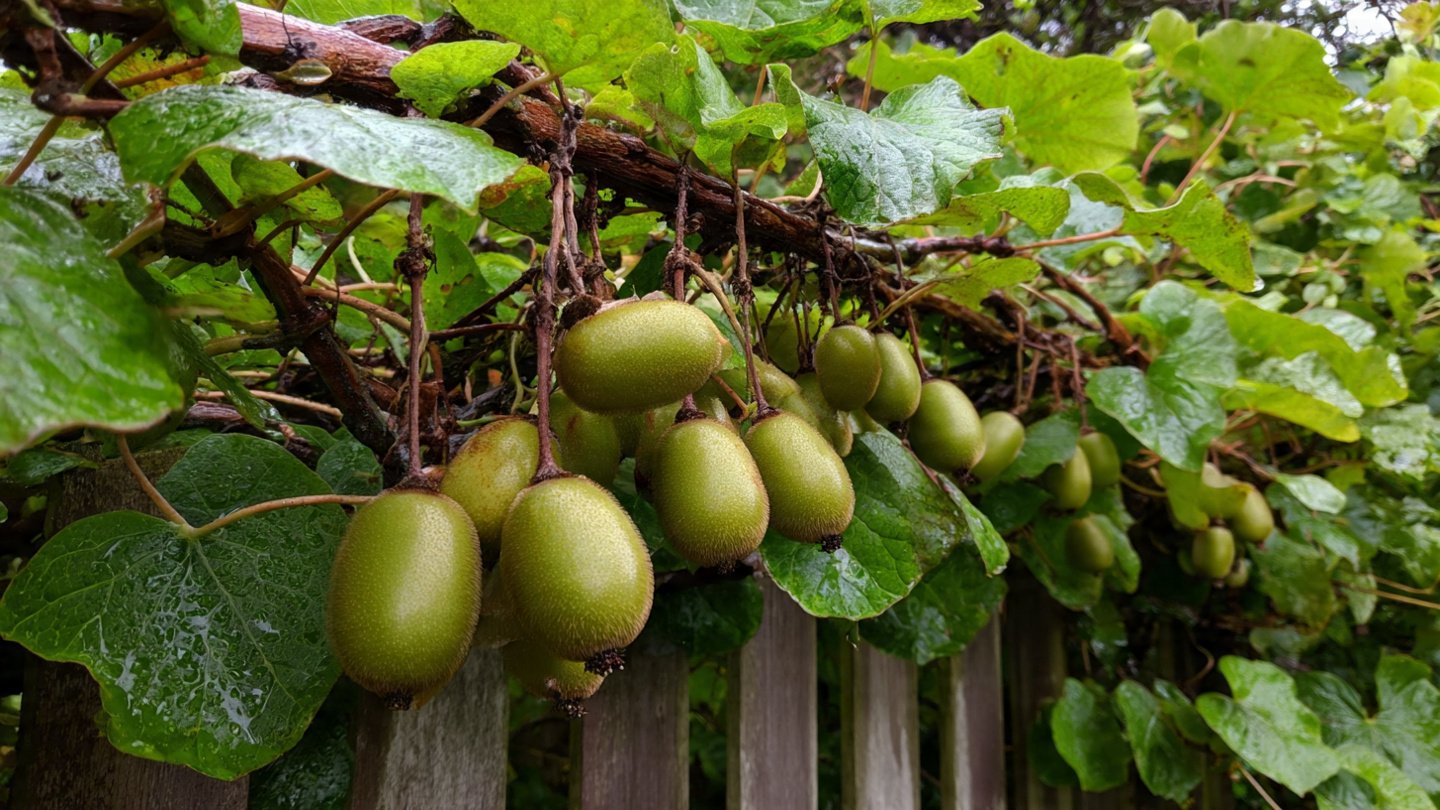
If you’ve ever dreamed of cultivating your own kiwi vines, you’re in luck! While kiwis (Actinidia deliciosa) are often associated with warmer climates, certain hardy varieties thrive even in cold temperatures. Growing kiwis in a cold climate can be rewarding with the right techniques and care. This guide will walk you through the essential steps to successfully cultivate kiwi vines in your backyard, ensuring a bountiful harvest all year round.
Understanding Kiwi Varieties for Cold Climates
Before you jump into planting, it’s crucial to understand that not all kiwi varieties tolerate cold. The most suitable ones for colder climates are:
-
Hardy Kiwi (Actinidia arguta): Also known as Arctic kiwi or baby kiwi, this variety can withstand temperatures as low as -25°F (-32°C). They produce small, smooth-skinned fruits that can be eaten whole.
-
Northern Hardy Kiwi (Actinidia kolomikta): This variety is also cold-tolerant, can endure temperatures down to -20°F (-29°C), and boasts a unique flavor profile.
-
Fuzzy Kiwi (Actinidia deliciosa): While it prefers milder climates, with proper care and winter protection, these can also be grown in colder regions.
Choosing the Right Location
Kiwi vines thrive in full sun but can still produce fruits in partial shade. Here are some important aspects to consider while selecting your planting location:
-
Sunlight: Aim for at least six hours of direct sun daily.
-
Drainage: Well-drained soil is essential. Poor drainage can lead to root rot. If your backyard has compacted clay soil, consider planting your kiwis on raised beds.
-
Protection from Wind: Ensure the area is shielded from harsh winds. This can be achieved by planting near a fence or utilizing windbreaks made from shrubs or trellises.
Preparing the Soil
Kiwi vines prefer fertile, loamy, and slightly acidic to neutral soil (pH 5.5–7.0). Here’s how to prepare your soil:
-
Testing pH: Use a soil testing kit to determine your soil’s pH. If it’s too alkaline, you can amend it with sulfur or compost.
-
Enriching the Soil: Incorporate well-rotted compost or aged manure into the soil to improve nutrient content. This will promote good root development and healthy growth.
-
Soil Structure: Ensure your soil has good aeration by incorporating organic materials. This helps in water retention while allowing excess moisture to drain away.
Planting Kiwi Vines
When it comes to planting kiwi, timing and technique matter:
-
Choosing the Planting Time: Plant your kiwi vines in early spring, as soon as the soil is workable. This gives the roots a chance to establish before summer’s heat.
-
Spacing: When planting, space vines about 6–10 feet apart, depending on the variety. Hardy varieties may require slightly larger spacing.
-
Depth: Dig a hole that’s twice the width of the root ball and just deep enough for the roots to spread without bending. Mix some compost into the planting hole to provide nutrients.
Training and Pruning Vines
Kiwi vines are vigorous growers that require a support structure:
-
Choosing Trellises: Use strong trellises or arbors. Supports should be sturdy enough to handle heavy fruit loads.
-
Training the Vines: As the vines grow, gently tie them to the trellis using soft plant ties to avoid damaging the stems.
-
Pruning: Regular pruning is essential for encouraging productivity. Prune in late winter or early spring before new growth begins. Remove dead or weak wood, and shape the vine to promote better sunlight exposure.
Watering and Fertilizing
Proper watering and fertilization techniques are crucial for healthy kiwi growth:
-
Watering: Kiwi vines require consistent moisture, especially during their growing season. Water your plants deeply, ensuring the soil remains moist but not waterlogged. Drip irrigation systems are excellent for maintaining consistent moisture.
-
Fertilizing: Apply a balanced fertilizer in early spring as new growth begins. Follow with additional fertilization every 4-6 weeks throughout the growing season. Organic options like fish emulsion or compost can be effective.
Winter Protection
In colder climates, protecting your kiwi vines in winter is vital:
-
Mulching: After the leaves drop in fall, mulch around the base of the plants to protect roots. Use straw, wood chips, or leaves to insulate the soil.
-
Covering Vines: Depending on your zone, consider wrapping the vines or covering them with burlap to shield them from extreme cold.
-
Pruning Before Winter: Ensure that you’ve done your winter pruning before the freeze sets in. This also reduces the weight on the vine, minimizing breakage.
Pest and Disease Management
Like any garden plant, kiwis can fall victim to pests and diseases. Here are some common issues and their management:
-
Common Pests:
- Spider Mites: These tiny pests can cause significant damage, particularly in dry conditions. Introduce beneficial insects like ladybugs or apply insecticidal soap.
- Scale and Aphids: These suckplant juices, but strong sprays of water can often dislodge them. For severe infestations, use appropriate insecticides.
-
Diseases:
- Powdery Mildew: This can occur in humid conditions. Ensure good air circulation, and remove any infected leaves promptly.
- Root Rot: Often a consequence of overwatering. Ensure proper drainage and avoid soggy soil conditions.
Harvesting Your Kiwi Fruits
After seasons of care and patience, the moment of truth arrives when you can harvest your kiwi fruits:
-
Timing: Typically, kiwi fruits are ready to be harvested in late fall—around September to November, depending on the variety and climate.
-
Identifying Ripeness: Harvest when the fruits are firm, but slightly soft. The skin colour is also a good indicator; ripe kiwis will have a slight change in hue.
-
Storing: If you pick kiwis slightly underripe, they can continue to ripen at room temperature. Once ripe, store them in the refrigerator to prolong shelf-life.
FAQs
Q1: Can I grow kiwi vines in pots?
Yes, you can grow kiwi vines in large pots if the climate is unsuitable for outdoor planting. Be sure to use a pot that is at least 18 inches deep and wide to accommodate root growth, and ensure excellent drainage.
Q2: How much sunlight do kiwi vines need?
Kiwi vines thrive in full sun conditions, requiring at least 6 hours of direct sunlight daily for optimal fruit production.
Q3: How long does it take for kiwi vines to produce fruit?
Most kiwi varieties take about 3-4 years from planting to produce their first fruits, depending on care and environmental conditions.
Q4: Do I need a male and female kiwi plant for pollination?
Yes, kiwi vines are dioecious, meaning there are male and female plants. You will need at least one male plant to pollinate female plants for fruit production.
Q5: Is it possible to grow kiwis indoors during winter?
Growing kiwis indoors can be challenging due to their size and sunlight requirements, but small varieties may be managed with sufficient light supplementation using grow lights.
Q6: What kind of fertilizer is best for kiwi plants?
A balanced fertilizer with equal parts nitrogen, phosphorus, and potassium is ideal in the growing season. Organic options such as compost or fish emulsion work well too.
Q7: Are kiwis frost-tolerant?
Yes, hardy kiwi varieties can tolerate frost, but young plants are particularly vulnerable. Covering them during late spring frosts is best.
Q8: Can I grow kiwis from seeds?
While you can grow kiwis from seeds, it is a lengthy and unpredictable method. Starting with established plants or cuttings is generally more reliable.
Conclusion
With diligence and care, growing kiwi vines in a cold climate can be a fulfilling endeavor. By selecting the right varieties, ensuring optimal growing conditions, and practicing good maintenance, you can enjoy a fruitful kiwi harvest year after year. Happy gardening!