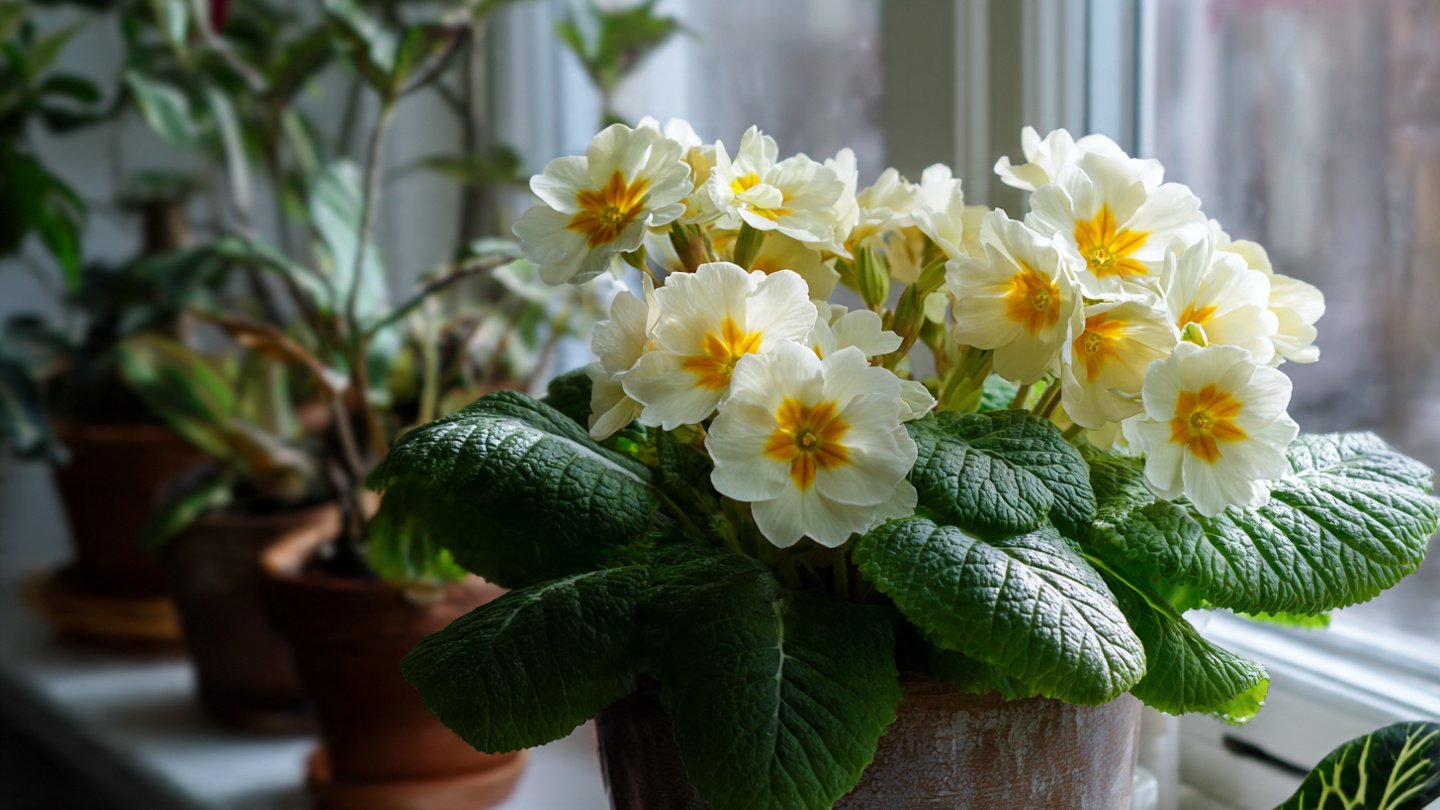
Winter can often feel dreary and gray, with limited light and cold temperatures making the outdoors uninviting. However, you can transform your indoor space into a vibrant, cozy environment with the addition of beautiful winter-blooming plants like primroses (Primula species). These cheerful flowers bring a splash of color into your home and can enhance your mood during the colder months.
In this article, we’ll explore everything you need to know about growing primrose blooms indoors, including their care requirements, ideal conditions, and tips for success.
Understanding Primroses
What Are Primroses?
Primroses are perennial flowering plants belonging to the family Primulaceae. They are known for their vibrant colors and delicate flowers, which typically bloom in early spring but can also be cultivated indoors during winter. Primroses come in various colors, including shades of yellow, blue, pink, and white, making them a versatile choice for indoor gardening.
Types of Primroses
When choosing primroses, you’ll encounter several varieties:
- Common Primrose (Primula vulgaris): This classic variety features soft yellow flowers and is known for its resilience.
- Cowslip (Primula veris): Recognizable by its drooping yellow flowers, cowslips add a rustic charm.
- Evening Primrose (Oenothera biennis): Though not a true primrose, this variety can bloom in the evening with lovely yellow flowers.
- Chinese Primrose (Primula sinensis): A popular choice for indoor gardening, these have a broad array of striking flower colors.
Choosing the right variety can enhance your indoor garden’s aesthetic and ensure better adaptability to your home environment.
Creating the Perfect Environment for Primroses
Light Requirements
Primroses thrive best in bright, indirect light. Direct sunlight can scorch their delicate leaves and flowers, causing them to wilt and brown. Ideal locations include:
- East-Facing Windows: Best for morning sunlight without the harsh afternoon glare.
- Filtered Light: Using sheer curtains or blinds to diffuse strong sunlight can provide the ideal growing conditions.
Temperature and Humidity
Primroses prefer cooler temperatures, ideally between 60°F to 65°F (15°C to 18°C). They don’t fare well in heat, so avoid placing them near radiators or heating vents.
As for humidity, primroses enjoy a humid environment. To achieve this:
- Mist the Leaves: Lightly misting them with water can help maintain humidity.
- Create a Pebble Tray: Place your primrose pots on a tray filled with pebbles and water, ensuring the pots are above the waterline.
Soil Quality
The right soil is essential for healthy primrose growth. Use a well-draining potting mix, preferably one designed for flowering plants. Here are some key points:
- pH Levels: Primroses prefer slightly acidic to neutral soil with a pH of around 6.0 to 7.0.
- Drainage: Make sure your pots have drainage holes to prevent root rot.
Potting Primroses
When potting your primroses, choose pots that are slightly larger than their root balls. This allows for healthy root development while providing adequate drainage.
- Choose the Right Pot: Ensure it’s not too deep but has sufficient space for roots to grow.
- Fill the Pot: Start with a layer of soil at the bottom, then gently place the primrose in the center and fill around it with soil, being careful not to bury the crown.
Caring for Indoor Primroses
Watering
Watering is perhaps the most critical aspect of primrose care. Here’s how to do it effectively:
- Check the Soil: Always check the top inch of the soil. If it feels dry, it’s time to water.
- Watering Technique: Use room-temperature water and pour it around the base of the plant, avoiding the leaves. Ensure water drains out of the bottom.
- Avoid Overwatering: Primroses are susceptible to root rot, so be careful not to let them sit in soggy soil.
Fertilizing
While primroses do not require heavy feeding, using a diluted, balanced, water-soluble fertilizer every two to four weeks can promote healthy blooms.
- When to Fertilize: Start feeding once they begin to flower, and stop after blooming ends.
Pruning and Deadheading
Regular maintenance is essential for keeping your primroses looking their best:
- Remove Dead Flowers: Regularly deadhead spent blooms to encourage new growth and flowering.
- Trim Leaves: Remove any yellowing or dead leaves to maintain plant health and appearance.
Propagating Primroses
If you’d like to multiply your primrose collection, propagation is relatively easy:
- Seed Propagation: Sow seeds in a seed-starting mix, lightly press them in, and mist the surface. Keep them moist in a warm location until germination occurs.
- Division: For mature plants, you can divide them after the flowering season. Carefully separate the root ball into smaller sections, ensuring each section has roots and foliage.
Common Problems and Solutions
Pests
Primroses can attract pests such as aphids, spider mites, and mealybugs. Regularly inspect your plants and use insecticidal soap or neem oil if you notice any infestations.
Diseases
Watch for signs of powdery mildew or root rot. Good airflow and avoiding overwatering are key preventive measures.
Yellow Leaves
If the leaves of your primrose are turning yellow, this could indicate overwatering, insufficient light, or nutrient deficiencies. Adjust your care routine accordingly.
Incorporating Primroses into Your Home Décor
Primroses can brighten up any space in your home. Here are some creative ideas for using them in your décor:
- Mix and Match: Combine different colors and varieties in a single pot for a stunning display.
- Window Sills: Arrange smaller pots along your windowsill for a delightful view from both inside and outside.
- Centerpieces: Place blooming primroses in decorative pots on your dining or coffee tables for a festive touch.
Conclusion
Growing primroses indoors during the winter is a rewarding endeavor. With their vibrant colors and cheerful flowers, they add life and warmth to your home during the colder months. By following the care tips outlined in this guide, you can cultivate beautiful blooms that uplift your spirits and create a cozy, inviting atmosphere.
FAQs
How long do primroses generally bloom?
Primroses normally bloom for several weeks to a few months, depending on the variety and growing conditions.
Can I grow primroses in low light conditions?
Primroses do prefer bright, indirect light. While they might survive in lower light, they may not bloom as abundantly.
How often should I water my primroses?
Water when the top inch of soil feels dry, typically once a week, but adjust based on your home’s humidity and temperature.
Are primroses toxic to pets?
Primroses are generally considered non-toxic to cats and dogs, but it’s always best to prevent pets from chewing on houseplants.
Can I reuse potting soil for my primroses?
Reusing potting soil can be done, but make sure to amend it with fresh nutrients and avoid using soil from diseased plants to prevent issues.
What’s the best time to plant primroses indoors?
Late fall to winter is ideal for planting primroses indoors, especially if you want to enjoy their blooms during the cold months.
By carefully selecting the right variety and following the care guidelines, you can enjoy stunning primrose blooms that will bring joy and brightness to your home throughout the winter season. Happy gardening!