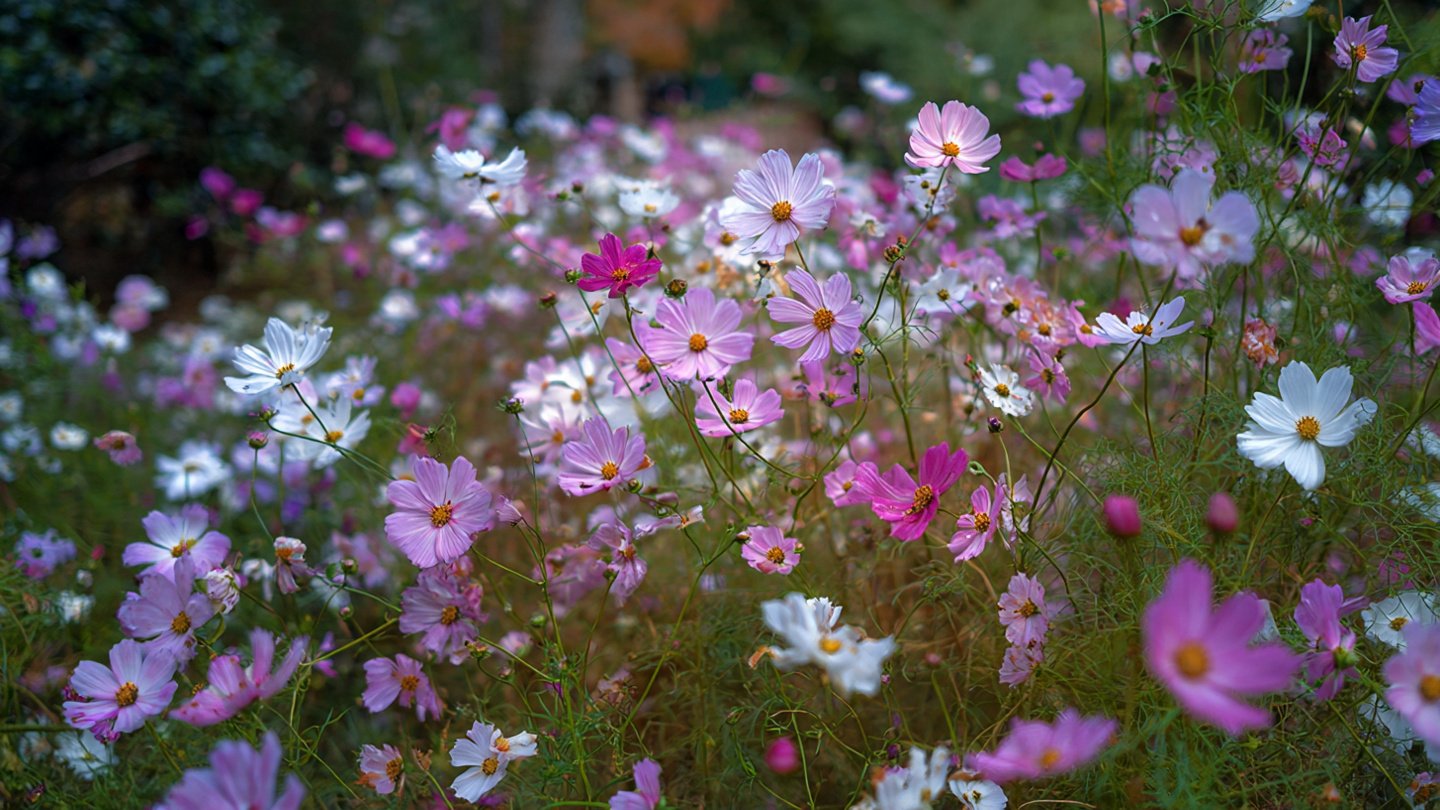
Winter Cosmos, known scientifically as Cosmos bipinnatus, is a delightful flowering plant that adds vibrant colors to gardens in late summer and early fall. The tall, slender stems adorned with delicate, daisy-like flowers create an enchanting atmosphere, perfect for any garden setting. This guide will provide you with everything you need to know about growing and caring for Winter Cosmos flowers.
Understanding Winter Cosmos
Winter Cosmos belongs to the Asteraceae family, characterized by their feathery leaves and bright blooms. While they are typically associated with warm weather, with the right conditions and care, they can thrive in cooler climates, making them versatile for different regions.
Characteristics of Winter Cosmos
- Height: Typically ranges from 2 to 4 feet.
- Flowers: Come in various colors, including white, pink, and purple.
- Blooming Season: Generally blossoms from late summer to fall, providing a long-lasting display.
- Light Requirements: Prefers full sun but can tolerate partial shade.
- Soil: Best in well-draining soil with good fertility.
Planting Winter Cosmos
Selecting the Right Location
Choose a planting area that receives full sunlight for at least 6 hours a day. This will ensure the plants produce abundant flowers. Additionally, select a spot with well-draining soil to prevent root rot.
Soil Preparation
Before planting, prepare the soil by:
- Testing pH: Ideally, the soil should have a pH between 6.0 and 7.0.
- Amending the Soil: Mix in organic compost or well-rotted manure to enhance soil fertility and drainage.
- Raking the Area: Break up any clumps and remove weeds to create an ideal seedbed.
Planting Seeds
- Timing: Sow seeds directly in the garden after the last frost in spring.
- Spacing: Space seeds about 12 inches apart, as they tend to spread.
- Sowing Depth: Plant seeds approximately 1/4 inch deep, covering them lightly with soil.
- Watering: Gently water the area after planting to ensure good seed-soil contact.
Transplanting Seedlings
If starting seeds indoors, transplant them outdoors after they develop 3 to 4 sets of leaves and once the frost danger has passed. Acclimatize them to outdoor conditions gradually by letting them sit outside for a few hours each day over a week.
Caring for Winter Cosmos
Watering
While Cosmos are drought-tolerant once established, they require consistent moisture during their early growth stages. Here are some tips for watering:
- Frequency: Water them deeply once a week, allowing the soil to dry out between waterings.
- Morning Watering: Water in the morning to reduce evaporation and prevent fungal diseases.
- Avoiding Overhead Watering: This can promote diseases; instead, water the soil at the base of the plants.
Fertilizing
Winter Cosmos typically do not require a high level of fertilization. However, a light feeding can enhance growth:
- Type: Use a balanced fertilizer, such as a 10-10-10 or 5-10-5 mix.
- Timing: Fertilize once in early summer as the plants begin to grow.
- Quantity: Use the manufacturer’s recommended amount to avoid over-fertilization.
Pruning and Deadheading
Regularly pruning and deadheading can extend the blooming period:
- Deadheading: Remove spent flowers to encourage new blooms and prevent the plant from going to seed too early.
- Pruning: In mid-summer, trim back any leggy growth to promote a bushier appearance and more flowers.
Pest and Disease Control
Winter Cosmos is relatively pest-resistant but may attract some common garden pests. Here are some tips for keeping them healthy:
- Monitor for Insects: Look out for aphids and spider mites. If detected, spray with insecticidal soap or neem oil.
- Fungal Diseases: Ensure proper spacing to allow air circulation, reducing the risk of powdery mildew.
Mulching
Applying a layer of mulch around the base of Winter Cosmos helps retain soil moisture, suppress weeds, and regulate soil temperature. Choose organic materials like straw, wood chips, or shredded leaves.
Preparing for Winter
As the growing season winds down, take necessary steps to prepare Winter Cosmos for winter:
- Cutting Back: In late fall, cut the plants back to about 6 inches above the ground after a hard frost.
- Mulching: Add a thick layer of mulch to protect roots from freeze and thaw cycles.
- Seed Collection: If desired, collect seeds from the dried flower heads for replanting in the spring.
Creating a Stunning Winter Cosmos Display
To maximize the beauty of Winter Cosmos in your garden:
- Companion Planting: Pair them with other late-blooming flowers like asters or zinnias to create a colorful garden.
- Color Coordination: Select different shades of Winter Cosmos to create vibrant color blocks or mix with contrasting flowers for an eye-catching display.
- Garden Design: Plant them in groups rather than single specimens for a more impactful aesthetic.
FAQs
1. How do I know when to harvest seeds from Winter Cosmos?
Harvest seeds when the flower heads are completely dry and brown. Gently break open the flowers to collect the seeds, storing them in a cool, dry place until planting.
2. Can Winter Cosmos withstand frost?
Winter Cosmos is sensitive to frost. If you expect frost, cover the plants with a cloth or bring potted plants indoors overnight, as they do not survive freezing temperatures.
3. How do I propagate Winter Cosmos?
You can propagate Winter Cosmos by seed collection or by division in early spring. Simply separate established clumps carefully, ensuring each division has roots.
4. Are Winter Cosmos deer resistant?
While not completely deer-proof, Winter Cosmos is generally unpalatable to deer due to its fragrance and texture, making them less likely to be eaten.
5. What should I do if my Cosmos are tall and leggy?
If your Winter Cosmos develop elongated stems, it may be due to insufficient sunlight. Prune back the plants to encourage bushier growth and provide them with more sunshine.
6. How often should I deadhead Winter Cosmos?
Deadheading should be done regularly throughout the blooming season, ideally every few weeks or whenever you notice spent flowers.
Conclusion
Caring for Winter Cosmos flowers is a rewarding gardening experience, offering stunning blooms that last well into the cooler months. With proper planting, maintenance, and care, you can enjoy a vibrant display of these delightful flowers in your garden. Whether you’re a seasoned gardener or just starting, Winter Cosmos can be a beautiful addition to your landscape.