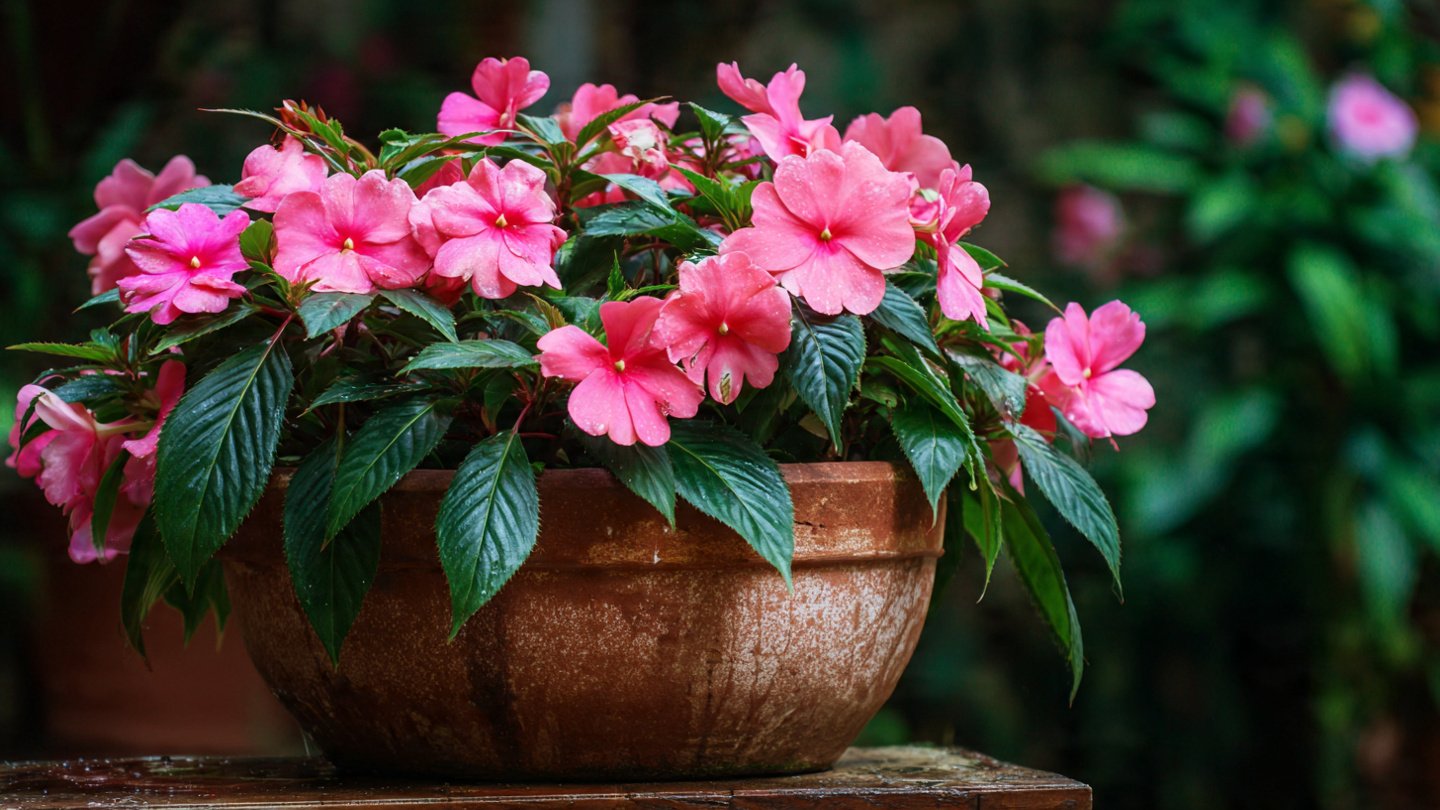
Impatiens, beloved for their vibrant colors and ability to thrive in shaded areas, are a popular choice for container gardening. Whether you’re a novice trying to add plant life to your balcony or an experienced gardener venturing into pot cultivation, impatiens can be rewarding and relatively easy to grow. This article will provide you with straightforward tips and hacks to ensure your impatiens flourish in pots.
Understanding Impatiens
Before diving into the growing process, it’s helpful to understand what impatiens are and why they are favored. They are flowering plants that belong to the Balsaminaceae family and are known for their bright blooms, which can come in a variety of colors, including pink, red, white, and violet.
Characteristics of Impatiens
- Shade Lovers: Impatiens thrive in partial to full shade, making them ideal for gardens that don’t receive a lot of direct sunlight.
- Annual Variety: Most impatiens are grown as annuals, meaning they complete their life cycle in a single growing season.
- Low Maintenance: Impatiens require minimal care, making them a great choice for beginner gardeners.
Choosing the Right Pots
Selecting the correct pots is crucial for the success of your impatiens. Here are some key points to consider:
1. Size Matters
- Diameter: Opt for pots that are at least 8 to 12 inches in diameter. This size provides ample space for root growth.
- Depth: Ensure the pots have sufficient depth (around 10-12 inches) to accommodate growing roots and to retain adequate moisture.
2. Material Considerations
- Drainage: Choose pots with drainage holes. Terracotta or ceramic pots allow for greater airflow and evaporation, while plastic pots retain moisture longer.
- Weight: If you’re using larger containers, consider the weight since they will need to be moved or rearranged.
Soil Selection
Your choice of soil can significantly affect the growth of your impatiens. Here’s what to keep in mind:
1. Well-Draining Soil
- Potting Mix: Use a high-quality potting mix specifically designed for container gardening. A mix containing peat moss, perlite, and vermiculite will work wonders.
- pH Level: Aim for a pH level of about 6.0 to 7.0, which is optimal for impatiens growth.
2. Nutrient-Rich Additives
- Fertilizers: Incorporate time-release fertilizers into the potting mix to provide essential nutrients throughout the growing season.
Planting Techniques
Planting impatiens might seem straightforward, but following these tips will help you get it right:
1. Timing is Everything
- Frost-Free Period: Wait until after the last frost date in your area to plant your impatiens outdoors. They thrive in warm conditions.
2. Planting Method
- Spacing: If you’re planting multiple impatiens in a single pot, space them at least 8-10 inches apart to promote airflow.
- Depth: Plant them at the same depth they were growing in their nursery pots to prevent over-stressing the roots.
Watering Tips
Watering is one of the most critical aspects of maintaining healthy impatiens in pots.
1. Frequency
- Check Soil Moisture: Always check the top inch of soil before watering. If it feels dry, it’s time to water.
- Daily Watering in Summer: During hot summer days, you may need to water your impatiens daily, especially in pots.
2. How to Water
- Watering Technique: Water at the base of the plants to avoid wetting the leaves, which can lead to fungal diseases.
- Draining: Ensure excess water drains out of the bottom to avoid root rot.
Sunlight and Shade
While impatiens thrive in shaded areas, they still require some sunlight for optimal growth:
1. Ideal Light Conditions
- Partial Shade: Aim to place your pots where they receive filtered sunlight or dappled shade for at least 4-6 hours a day.
- Avoid Direct Sun: Too much direct sunlight can scorch the leaves, so avoid areas that receive harsh midday sun.
2. Rotation for Even Growth
- Rotate Pots: Turn your pots every week to ensure the plants grow evenly, preventing them from leaning towards the light source.
Pest and Disease Management
Keeping your impatiens healthy requires vigilance against pests and diseases.
1. Watch for Common Pests
- Aphids: These small insects can be eliminated with insecticidal soap or neem oil.
- Spider Mites: You may notice fine webbing; increasing humidity can deter them.
2. Disease Awareness
- Powdery Mildew: Ensure that air circulates around your plants and avoid overhead watering to prevent this fungal disease.
- Downy Mildew: If you notice yellowing leaves, this might indicate downy mildew. Remove affected leaves and allow for better air circulation.
Seasonal Care Tips
Impatiens need different care as the seasons change. Here’s how to adapt your habits:
1. Spring and Summer
- Fertilize Regularly: During these warmer months, you can feed your impatiens every two weeks with a water-soluble fertilizer.
- Deadheading: Remove spent flowers regularly to encourage new blooms.
2. Fall and Winter
- Preparation for Frost: In late fall, before the first frost, you can either bring the pots indoors or trim the plants back and store them in a cool place.
- Overwintering: If you’re in a temperate climate, protect your pots from freezing temperatures by covering them.
Conclusion
Growing impatiens in pots can be a fulfilling journey for beginner gardeners. With the right pots, soil, and care practices, you can enjoy a colorful display of flowers that brighten up your space. Don’t hesitate to experiment and learn through the process; gardening is all about nurturing and caring for your plants while enjoying the beauty they bring to your surroundings.
FAQs
1. Can impatiens grow in full sun?
Impatiens prefer shade to partial shade. While some varieties can tolerate a bit of morning sun, too much direct sunlight can scorch their leaves.
2. How often should I water my impatiens?
Water when the top inch of soil feels dry. During hot weather, you may need to water daily.
3. Do impatiens need fertilizing?
Yes, using a balanced, time-release fertilizer or a liquid fertilizer every couple of weeks can help promote healthy growth and vibrant blooms.
4. What is the best temperature for impatiens?
Impatiens thrive in temperatures between 60°F and 75°F (15°C and 24°C). They do not tolerate frost well, so ensure to plant after the last frost date in your area.
5. Can I keep impatiens over the winter?
You can try to overwinter impatiens by bringing potted plants indoors and placing them in a bright, cool area. However, they may not survive in colder climates.
6. How do I prevent diseases in my impatiens?
Maintain airflow, avoid wetting foliage when watering, and regularly check for pests. Keeping the plants healthy through proper care will minimize the risk of disease.
By following these easy hacks, you can create a thriving display of impatiens that will add color and life to your space! Happy gardening!