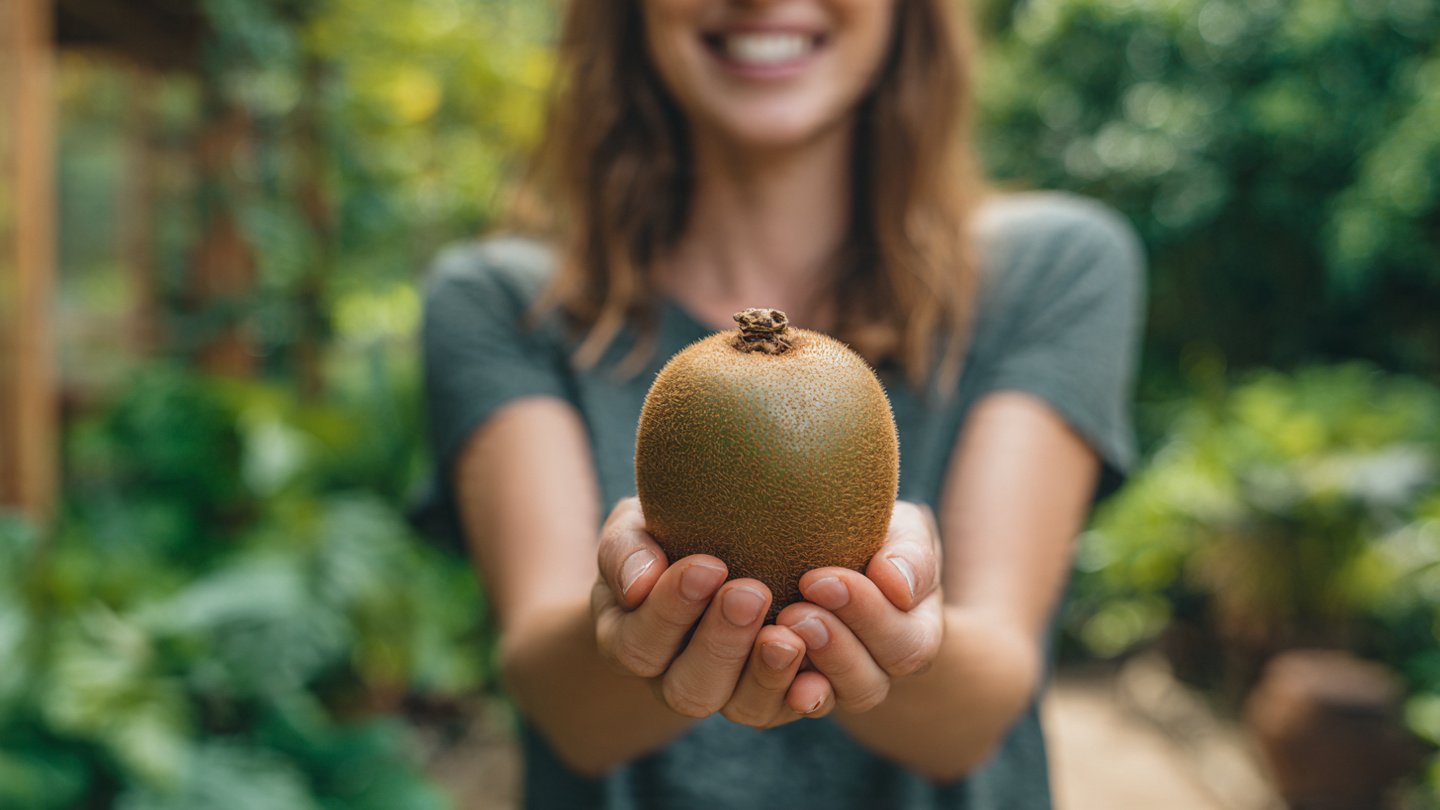
Simple Guide to Successfully Grow Kiwi Even in Short Summer Seasons
Growing kiwifruit can be a rewarding endeavor, even in regions that experience short summer seasons. With the right techniques and knowledge, it’s entirely feasible to cultivate this delicious fruit in less-than-ideal climates. This guide provides detailed steps on how to successfully grow kiwi, making it accessible for both novice and experienced gardeners.
Understanding Kiwi Varieties
Before embarking on your kiwifruit-growing journey, it’s essential to understand the various kiwi varieties. The two most popular types are:
-
Hardy Kiwi (Actinidia arguta): Also known as Arctic kiwi, this variety is particularly suited for cooler climates and can withstand winter temperatures as low as -25°F (-31°C). They are smaller and have a smooth skin, making them easier to eat.
-
Common Kiwi (Actinidia deliciosa): This is the typical fuzzy kiwi that most people are familiar with. It needs a warmer climate but can still be grown in milder areas with adequate care.
Site Selection
Selecting the right location is fundamental to growing kiwi successfully:
-
Sunlight: Kiwifruit requires full sun for optimal growth—this means at least 6-8 hours of direct sunlight daily. The more sunlight, the more fruit you’ll harvest.
-
Soil: Kiwis prefer well-draining, fertile soil with a pH between 6.0 and 6.8. You can amend your soil with organic matter like compost to enrich it and improve drainage.
-
Protection from Winds: Kiwis can be vulnerable to wind damage, particularly when young. Choosing a site that is protected from strong winds—like near a wall or under a tree canopy—can help.
Planting Kiwi
Proper planting techniques are essential for the long-term growth of kiwifruit:
-
Timing: The best time to plant kiwi is in spring after the last frost has passed. This will give your plants a full growing season to establish themselves.
-
Spacing: Plant kiwi vines about 8-10 feet apart, ensuring there’s enough room for them to grow. If planting in rows, space the rows at least 10 feet apart for easy maintenance.
-
Depth: Dig a hole approximately twice the size of the root ball. Place the kiwi in the hole so that the crown of the plant is level with the surrounding soil, then fill the hole with soil and water thoroughly.
Trellising
Kiwifruit vines are vigorous climbers and need support:
-
Choosing a Trellis: Install a sturdy trellis or arbor that can support the weight of mature vines and fruit. You can use wire, wood, or other sturdy materials.
-
Training the Vines: As your kiwi vine grows, train it along the trellis using soft ties or garden twine. This promotes better air circulation, makes harvesting easier, and helps prevent disease.
Watering and Fertilizing
Consistent watering and proper fertilization are critical for healthy kiwi plants:
-
Watering: Kiwi plants like moisture but don’t tolerate waterlogged soil. It’s best to water regularly, especially during dry spells. A deep watering once a week is more beneficial than frequent shallow watering.
-
Fertilization: In early spring, apply a balanced organic fertilizer to promote growth. Avoid high-nitrogen fertilizers, as they can lead to lush foliage but poor fruit production.
Pruning
Pruning plays a crucial role in kiwi cultivation:
-
When to Prune: The best time to prune is in late winter or early spring before new growth begins. This is when you can easily see the structure of the plant.
-
Methods: Remove any dead, damaged, or overcrowded growth to improve air circulation. Aim to keep the center of the plant open, which encourages better fruit quality.
Pest and Disease Management
Keeping your kiwi plants healthy means staying vigilant against pests and diseases:
-
Common Pests: Aphids, spider mites, and mealybugs can affect kiwi vines. Regularly inspect the leaves and use insecticidal soap if needed.
-
Diseases: Be on the lookout for fungal diseases like powdery mildew. Good air circulation, proper spacing, and timely pruning can help prevent these issues. If diseases strike, consider using organic fungicides.
Harvesting Kiwi
Kiwis typically take about 3-5 years to bear fruit:
-
Timing: Harvest kiwis in late autumn when they have fully developed but are not yet overripe. Typically, they are picked when they are slightly soft to the touch.
-
Test for Ripeness: If you’re unsure, you can pick one and let it ripen at room temperature. A ripe kiwi will feel slightly soft and emit a sweet aroma.
Storing Kiwi
Proper storage is key to prolonging the shelf life of your kiwifruit:
-
Room Temperature: If the kiwis are still firm, store them at room temperature until they ripen.
-
Refrigeration: Once ripe, kiwis can be stored in the refrigerator for up to two weeks. Keeping them in a breathable bag or container helps maintain their quality.
Troubleshooting Common Issues
Even with all the right care, you may encounter challenges:
-
Poor Fruit Production: If the plants are healthy but not producing fruit, you may have a pollination issue. Ensure you have both male and female plants, as kiwis require cross-pollination.
-
Leaf Drop: If your kiwi plant drops its leaves, it may be experiencing stress from overwatering, underwatering, or a sudden temperature change. Assess the situation and adjust care accordingly.
FAQs
1. Can I grow kiwifruit indoors?
While it’s challenging to grow kiwis indoors due to their size and sunlight requirements, dwarf varieties can be grown in pots and moved outdoors during warm months.
2. How long does it take for a kiwi vine to bear fruit?
Generally, kiwi vines take about 3-5 years to bear fruit, depending on the variety and growing conditions.
3. Are kiwi plants self-pollinating?
Most kiwi varieties are not self-pollinating. It’s beneficial to have both male and female plants for optimal fruit set.
4. What is the best way to protect kiwi plants during winter?
To protect kiwi plants during winter, especially in colder climates, cover the base with mulch, and use burlap or frost cloth to wrap the vines for additional insulation.
5. Do I need to fertilize kiwi plants every year?
Fertilization should occur in spring as the plant begins to grow. Depending on the soil fertility, you may need to adjust fertilizer frequency. Conduct a soil test to determine nutrient levels.
6. What pests should I watch for?
Common pests include aphids, spider mites, and scale. Regular monitoring and preventive measures can help manage these pests effectively.
Conclusion
Growing kiwifruit can be a fulfilling project, especially when armed with the knowledge presented in this guide. Even if you live in an area with a short summer, you can enjoy the sweet rewards of your labor by following these simple yet effective techniques. With patience and persistence, your homegrown kiwi plants will thrive, allowing you to savor this unique fruit year after year. Happy gardening!