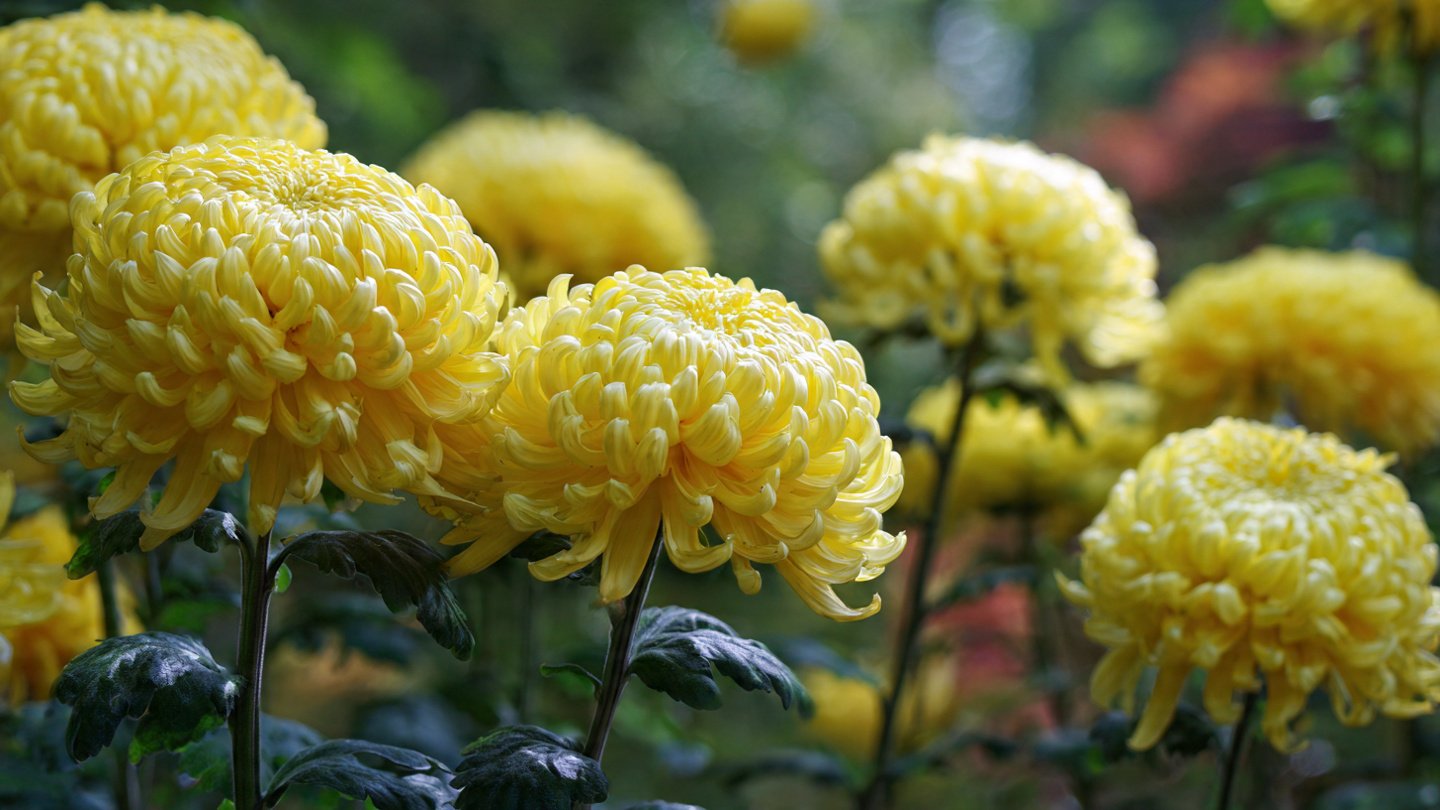
Chrysanthemums, commonly known as mums, are popular flowering plants celebrated for their vibrant colors and longevity. While their aesthetic appeal is undeniable, achieving a lush, bushy appearance requires some knowledge and effort. One of the most effective techniques for encouraging fuller growth is pinching. This article will delve into the intricacies of pinching techniques, their benefits, and a step-by-step guide on how to implement them effectively to ensure your chrysanthemums thrive.
Understanding Chrysanthemum Growth
Before diving into the pinching technique, it’s essential to understand how chrysanthemums grow. Mums are perennial plants that produce flowers in a variety of shapes, sizes, and colors. Healthy plants exhibit sturdy stems that can support numerous blooms. To ensure your chrysanthemums reach their full potential, you must manage their growth through careful pruning and pinching practices.
Why Pinching is Important
Pinching is a horticultural technique that involves removing the tips of young growth. This practice serves multiple purposes:
-
Encourages Lateral Growth: By pinching off the central growth tip, you encourage the plant to grow outward rather than upward, resulting in a bushier appearance.
-
Increases Flower Production: A bushy plant can support more branches, and thus, more flowers, leading to a more vibrant display.
-
Improves Air Circulation: Thinning out certain stems can improve airflow within the plant, reducing the risk of fungal diseases.
-
Enhances Resilience: Plants that are pinched regularly develop stronger stems and root systems, making them more resilient to environmental stressors.
Timing is Key
Timing is crucial when it comes to pinching chrysanthemums. The best time to start pinching is when the plants are actively growing, generally in the spring. For most regions, this means late April to early June, depending on your local climate.
Step-by-Step Pinching Techniques
Now that you understand the importance of pinching, let’s walk through the steps to effectively achieve lush and bushy growth in your chrysanthemums.
1. Preparing Your Tools
To pinch chrysanthemums effectively, you’ll need a few simple tools:
- Pruning Shears: For a clean cut without crushing the plant.
- Gardening Gloves: To protect your hands from any potential irritants.
- A Notebook: To track your pinching schedule and note any observations about growth.
2. Assess Your Plants
Before pinching, assess your chrysanthemums. Healthy plants should have vibrant, green leaves with no signs of wilting or disease. If they appear dehydrated, do not pinch yet—focus on watering and nurturing the plant back to health.
3. Identify Growth Tips
The growth tips are the topmost leaves on each stem. They are usually the youngest and most tender parts of the plant. Target these areas for pinching.
4. The Pinching Process
-
Using Your Fingers: For small plants, you can use your fingers to pinch off the tips of the new growth. Aim to remove about one-third of the stem. Be gentle to avoid damaging the surrounding foliage.
-
Using Pruning Shears: For larger plants with thicker stems, use pruning shears to make a precise cut. Again, remove about one-third of the stem.
-
Frequency: Initial pinching should occur when plants reach around 6-8 inches tall. After the first pinching, continue to pinch new growth every 3-4 weeks until mid-July.
5. Watering and Fertilization
After pinching, it’s crucial to ensure your chrysanthemums have adequate water and nutrition. Water the plants thoroughly and apply a balanced fertilizer to support further growth.
Additional Care Tips
Besides pinching, here are some additional care tips to help your chrysanthemums achieve that lush, bushy look:
-
Light: Ensure your plants receive full sun (6-8 hours of sunlight per day). Insufficient light can lead to leggy growth.
-
Soil: Use well-draining soil rich in organic matter. Chrysanthemums thrive in nutrient-rich environments.
-
Mulching: Apply a layer of mulch around the base to retain moisture and suppress weeds.
-
Pest Control: Monitor for pests like aphids and spider mites. Use insecticidal soap or neem oil as needed.
Encouraging Blooms
Once your chrysanthemums have become bushy and sturdy, you may wonder when you can expect blooms. Typically, chrysanthemums bloom in late summer to fall, depending on the variety. By pinching regularly, you will have encouraged multiple flower clusters, leading to a stunning display when they finally blossom.
Common Mistakes to Avoid
-
Pinching Too Late: If you pinch too late in the season (after mid-July), you may hinder the flowering process because the plant won’t have enough time to develop new growth.
-
Over-Pinching: While pinching is beneficial, overdoing it can lead to stunted growth. Stick to the one-third guideline.
-
Neglecting Water and Fertilizer: Proper hydration and nutrients are vital for recovery after pinching. Don’t forget to follow up.
-
Ignoring Pest Control: Keep an eye on potential pests and diseases that can affect your plant’s overall health.
FAQs
Q1: How often should I pinch my chrysanthemums?
A1: Pinch your chrysanthemums every 3-4 weeks from when they reach 6-8 inches tall until mid-July.
Q2: Can I pinch my chrysanthemums if they are already flowering?
A2: It’s best to avoid pinching flowering plants, as this can hinder bloom production. Pinching is most effective when done on young growth before the blooming period.
Q3: Should I remove any dead or damaged leaves while pinching?
A3: Yes, it’s a good practice to remove any dead or damaged leaves to promote healthy growth and airflow around the plant.
Q4: What if my chrysanthemums are too tall and leggy?
A4: In this case, you can pinch back the long, leggy growth and provide support to the plant. Ensure they receive adequate sunlight and consider relocating them to a brighter spot.
Q5: What other techniques can help keep my chrysanthemums bushy besides pinching?
A5: Regular watering, proper fertilization, using stakes for support, and ensuring they receive adequate sunlight all contribute to a bushy, healthy growth.
Conclusion
Achieving lush, bushy growth in chrysanthemums is entirely feasible through effective pinching techniques. By understanding the growth habits of these plants, timing your pinching correctly, and following best care practices, you will be rewarded with a magnificent display of vibrant blooms. Whether you are a seasoned gardener or new to chrysanthemums, these techniques will enhance the vitality of your garden and ensure that your plants thrive season after season. Happy gardening!