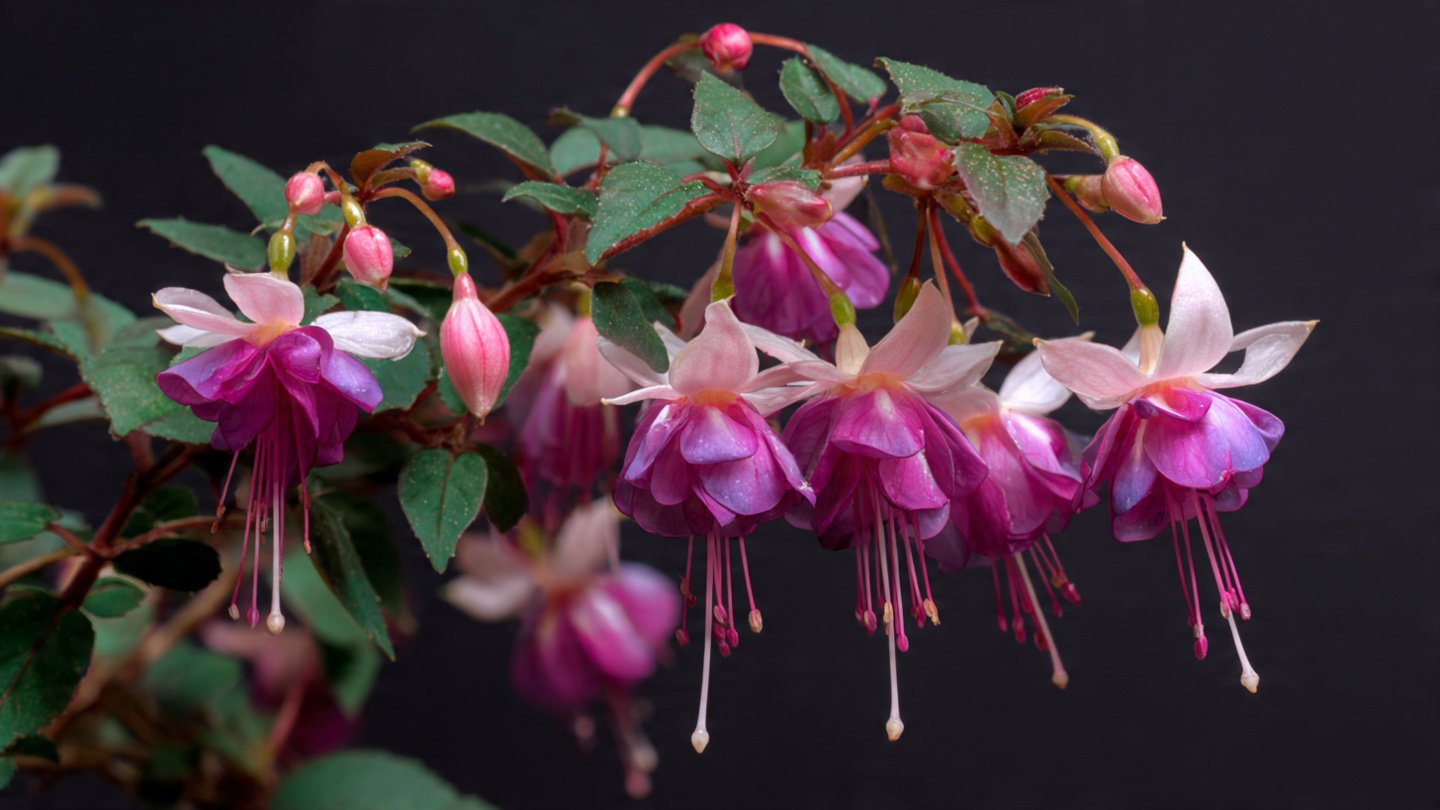
Fuchsia plants, with their stunning, vibrant flowers, are a favorite in many indoor gardens. These plants belong to the Onagraceae family and are prized for their unique teardrop-shaped blossoms that come in various colors. While growing fuchsias from seeds is one method, propagating them via cuttings is often more successful and quicker. In this comprehensive guide, we will explore effective strategies for indoor fuchsia cutting propagation, equipping you with the knowledge to successfully cultivate these beautiful plants.
Understanding Fuchsia Cuttings
Fuchsia plants are known for their lush foliage and drooping blossoms. They are tender perennials that thrive in moderate temperatures. The most commonly propagated varieties indoors are trailing and upright fuchsias. When propagating fuchsias from cuttings, it’s essential to understand a few basic concepts:
-
Types of Cuttings: The two most common types for fuchsia propagation are softwood (new growth) and semi-hardwood (partially matured) cuttings. Softwood cuttings are taken from fresh growth in the spring or early summer, while semi-hardwood cuttings can be taken in late summer or early fall.
-
Hormones: Many gardeners use rooting hormones to assist in developing a robust root system. This is especially beneficial for those new to propagation.
-
Climate Control: Fuchsias prefer moderate temperatures (65°F to 75°F) and high humidity. Understanding how to create the right environment is key to successful propagation.
Step-by-Step Guide to Indoor Fuchsia Cutting Propagation
Step 1: Gather Your Materials
Before you begin, gather all necessary materials:
- Healthy fuchsia mother plant
- Sharp, clean scissors or pruning shears
- Rooting hormone (optional)
- Small pots (3–4 inches) or seed trays
- Well-draining potting mix (peat-based mix or a mix of peat and perlite)
- Plastic bag or a humidity dome
- Water
- Labels and a marker
Step 2: Take the Cuttings
-
Choose the Right Time: Early spring or summer is ideal for taking softwood cuttings. Look for healthy stems with plenty of leaves.
-
Select Healthy Stems: Identify a stem that is at least 4-6 inches long with a few leaves. Avoid stems with flowers or buds.
-
Make the Cut: Use your sharp scissors to cut below a leaf node (this is where the leaves meet the stem), ensuring the cutting is at least 4 to 6 inches long.
-
Remove Lower Leaves: Remove the leaves from the lower half of the cutting to prevent them from rotting in the soil.
Step 3: Prepare the Cuttings
-
Optional Rooting Hormone: Dip the cut end of your cutting into rooting hormone. This step can increase your chances of successful root formation.
-
Plant the Cuttings: Fill your pots or seed trays with well-draining potting mix. Make a small hole with your finger or a pencil, and carefully insert the cutting. Firm the soil around it gently.
Step 4: Watering
After planting your cuttings:
-
Water Thoroughly: Water the pots well until water drains from the bottom, ensuring the soil is moist but not soggy.
-
Allow to Drain: Make sure excess water can escape to prevent root rot.
Step 5: Create a Humid Environment
Fuchsias thrive in humid environments, especially when rooted through cuttings. To create this humidity:
-
Cover with Plastic: Place a plastic bag or a humidity dome over the pots to trap moisture. Ensure that it does not touch the leaves of the cuttings, as this may cause rot.
-
Ventilation: If using a plastic bag, open it daily for a few minutes to allow air exchange and prevent mold.
Step 6: Monitor Temperature and Light
-
Optimal Temperature: Keep your cuttings in a room with temperatures between 65°F and 75°F. Avoid exposure to direct sunlight, which can scorch the young plants.
-
Induce Light: Place the cuttings in a well-lit spot with indirect sunlight. A grow light can be used if natural light is limited.
Step 7: Care for the Cuttings
-
Regular Watering: Check the soil moisture regularly. Keep the soil slightly moist but not waterlogged.
-
Fertilization: Refrain from fertilizing until roots develop and you see new growth, typically after 4 to 6 weeks.
Step 8: Transplanting
Once your cuttings have developed a healthy root system, you can prepare to transplant them:
-
Check for Roots: Gently tug on the cutting; if you feel resistance, roots have formed.
-
Potting Up: Transplant the rooted cuttings into larger pots (6 inches or more) using a well-draining potting mixture.
Troubleshooting Common Issues
-
Rotting Cuttings: Ensure your cuttings aren’t staying overly wet. This can cause rot. Adjust your watering schedule as needed.
-
Wilting Leaves: If leaves appear wilted, it may indicate either too much sun or lack of humidity.
-
No Root Development: If cuttings do not root within six weeks, consider checking your moisture levels or the viability of your mother plant.
FAQs About Fuchsia Cutting Propagation
1. How long does it take for fuchsia cuttings to root?
Typically, fuchsia cuttings will take anywhere from 4 to 6 weeks to develop a robust root system.
2. Can I propagate fuchsias from flowers?
No, fuchsias cannot be propagated from flowers. Successful propagation occurs through stem cuttings.
3. What types of fuchsia plants are best for propagation?
Softwood cuttings from healthy, vibrant fuchsia varieties are often the most successful for propagation indoors.
4. Do I need to use rooting hormones?
While not necessary, using rooting hormones can significantly increase the chances of successful rooting in your fuchsia cuttings.
5. Can I propagate fuchsias in water instead of soil?
While some plants can be propagated in water, fuchsias root better in a well-draining potting mix.
6. How often should I water fuchsia cuttings?
Water your cuttings when the top inch of the soil feels dry, ensuring that the soil remains moist but not soggy.
7. What’s the best temperature for propagating fuchsias?
Fuchsias thrive best in temperatures between 65°F and 75°F during the propagation process.
8. How can I increase humidity around my fuchsia cuttings?
You can increase humidity by covering the pots with a plastic bag or humidity dome, ensuring proper ventilation to prevent mold.
Conclusion
Propagating fuchsia cuttings indoors can be a rewarding experience that enhances your gardening skills and expands your plant collection. By following these effective strategies, you’ll not only increase your chances of successful propagation but also enjoy the process of nurturing these stunning plants from cuttings to flowering specimens. Happy gardening!