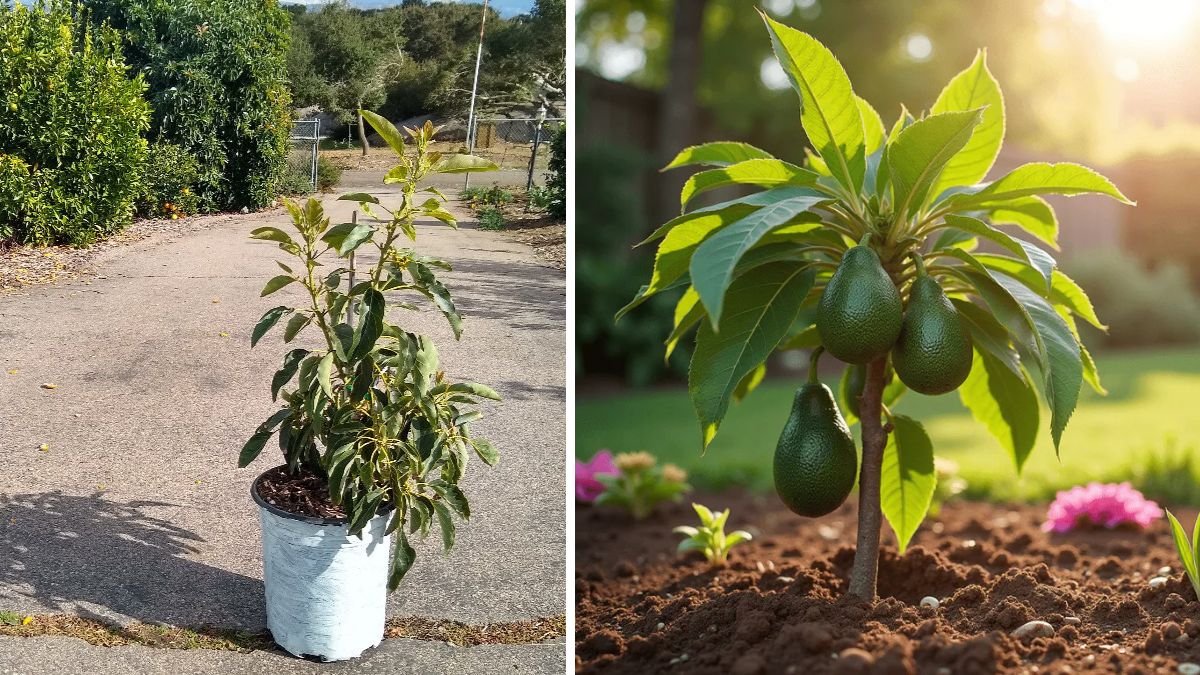
Avocado trees (Persea americana) have gained immense popularity due to their delicious fruit and nutritional benefits. Growing avocados in containers allows gardeners, especially those with limited space, to cultivate their own trees, regardless of climate. One crucial aspect in successfully raising avocado plants in pots is selecting the right soil. This guide will explore the ideal soil requirements for container-grown avocados, with a detailed look at their preferences, soil types, amendments, and FAQs related to soil choice.
Understanding Avocado Needs
1. Nature of Avocado Trees
Avocado trees are native to Central and South America, thriving in subtropical and tropical climates. They prefer well-drained soil that mimics their natural habitat – typically, volcanic or loamy soils rich in organic matter. Additionally, avocado trees have shallow root systems, making it essential that their container soil maintains proper drainage and aeration.
2. Importance of Proper Soil
Choosing the right soil for container-grown avocados is vital for several reasons:
- Drainage: Excess water can lead to root rot, a common issue in avocados.
- Nutrients: Avocados require specific nutrients for optimal growth, which can be supplied through a nutrient-rich soil mix.
- pH Levels: Avocados prefer slightly acidic soil, with a pH of 6-6.5.
Characteristics of Ideal Soil Mix
To grow avocados successfully in containers, an ideal soil mix should exhibit specific characteristics:
1. Well-Drained
The soil must provide adequate drainage to prevent water pooling at the roots. A mix that drains well helps maintain aeration and prevents root rot.
2. Lightweight
Because avocado roots are relatively shallow, a lighter soil mix helps support root growth while allowing easy feeding and water retention.
3. Nutrient-Rich
Soil should contain essential nutrients, such as nitrogen, potassium, phosphorus, and micronutrients to support healthy growth and fruiting.
4. Organic Matter
A rich organic matter content fosters beneficial microbial activity, improves soil structure, and enhances moisture retention without compromising drainage.
5. pH Balance
A slightly acidic pH (6-6.5) is optimal for avocado trees, ensuring that they can efficiently absorb essential nutrients.
Best Soil Ingredients for Avocado Containers
Choosing the right components for your avocado soil mix is key. Here are some recommended ingredients:
1. Potting Soil
Commercial potting soil is often a good base for a mix. Look for a product free from slow-release fertilizers, which may be too strong for young avocado roots.
2. Compost
Incorporating high-quality compost enriches the soil with nutrients, improves its structure, and increases microbial activity.
3. Perlite or Pumice
These ingredients enhance drainage and aeration. Both perlite and pumice are lightweight and help prevent soil compaction.
4. Coconut Coir
Coconut coir is an excellent organic amendment that retains moisture yet remains light and well-draining. It can be a suitable substitute for peat moss.
5. Sand
Adding coarse sand can improve drainage and ensures the soil stays light and loose, crucial for container growth.
6. Gypsum
Gypsum can improve soil structure and drainage while providing calcium, which is essential for avocado health.
Recommended Soil Recipes for Containers
Here are a few simple recipes to create your own avocado soil mix:
Recipe 1: Basic Avocado Soil Mix
- 2 parts potting soil
- 1 part perlite
- 1 part compost
Recipe 2: Enhanced Drainage Mix
- 2 parts coconut coir
- 1 part perlite
- 1 part sand
- 1 part compost
Recipe 3: Nutrient-Rich Mixed
- 2 parts potting soil
- 1 part compost
- 1 part pumice
- 1 part sand
- 1/2 part gypsum
Mix all components thoroughly before potting your avocado tree. It’s important to ensure an even distribution for consistent drainage and nutrient flow.
Container Choice
Choosing the right container is as important as selecting the ideal soil mix. Opt for containers that:
- Have drainage holes to allow excess water to escape.
- Are at least 5-10 gallons in size for young trees, expanding as they grow.
- Are made of materials that provide some insulation from heat, such as plastic or fiberglass, while ensuring there is sufficient airflow.
Care and Maintenance
1. Watering
Water your avocado tree thoroughly until water drains from the pot’s bottom. Maintain moisture without allowing the soil to become waterlogged.
2. Fertilizing
After the first year, use a balanced fertilizer, specifically formulated for fruiting trees, to provide essential nutrients. It’s best to fertilize in the spring and summer when the plant is actively growing.
3. Monitoring pH Levels
Occasionally check soil pH, especially if you notice signs of nutrient deficiency (like yellowing leaves). Adjust pH as needed, using sulfur to lower it or lime to increase it.
Troubleshooting Common Issues
1. Yellowing Leaves
This may be a sign of nutrient deficiency or improper watering. Check for adequate nitrogen, and ensure you’re not overwatering.
2. Wilting Leaves
Wilting can occur from either overwatering or underwatering. Check the moisture level in the soil before adjusting your watering routine.
3. Root Rot
If you suspect root rot, gently remove the plant from its pot to check the roots. Healthy roots should be white. Trim any brown, mushy roots and repot in fresh, well-draining soil.
FAQs
1. Can I use regular garden soil for avocados in containers?
No, regular garden soil tends to retain too much moisture and can become compacted in containers. It’s best to use a specialist potting mix designed for container gardening.
2. How often should I water my avocado tree in a container?
Water your avocado tree when the top 1-2 inches of soil feel dry. This could mean watering every week or more often in hot weather.
3. Do I need to fertilize my avocado tree in the first year?
While you don’t need to fertilize right away, adding compost to your soil mix provides nutrients until the plant establishes itself. After the first year, regular fertilization will be beneficial.
4. What is the best time to repot my avocado tree?
Repot your avocado tree every 1-2 years, ideally in the spring, to refresh the soil and give the roots more room to grow.
5. Can avocados survive winter in containers?
Yes, as long as they’re kept in a location that stays above freezing. Move your container indoors or into a greenhouse during the colder months to protect the plant.
6. What is the best pot size for growing an avocado tree?
A pot with a capacity of at least 5-10 gallons is recommended for young avocado trees. As the tree grows, consider moving it to a larger pot.
7. How do I know if my avocado tree is getting enough nutrients?
Watch for signs like yellowing leaves or poor fruit production. Conducting soil tests can also help determine nutrient levels.
8. Can I mix different soil types for my avocado tree?
Yes, blending different soil types can enhance the properties you need, such as drainage or nutrient retention. Ensure that the mix still meets the avocado’s needs for moisture and aeration.
Conclusion
Growing avocados in containers offers a unique opportunity for urban gardeners and those with limited outdoor space. Understanding the soil requirements and characteristics is crucial for the health and productivity of your avocado tree. With the right soil mix, care, and maintenance, you can enjoy the satisfaction of growing your own avocados – a rewarding endeavor sure to pay dividends in delicious fruit!