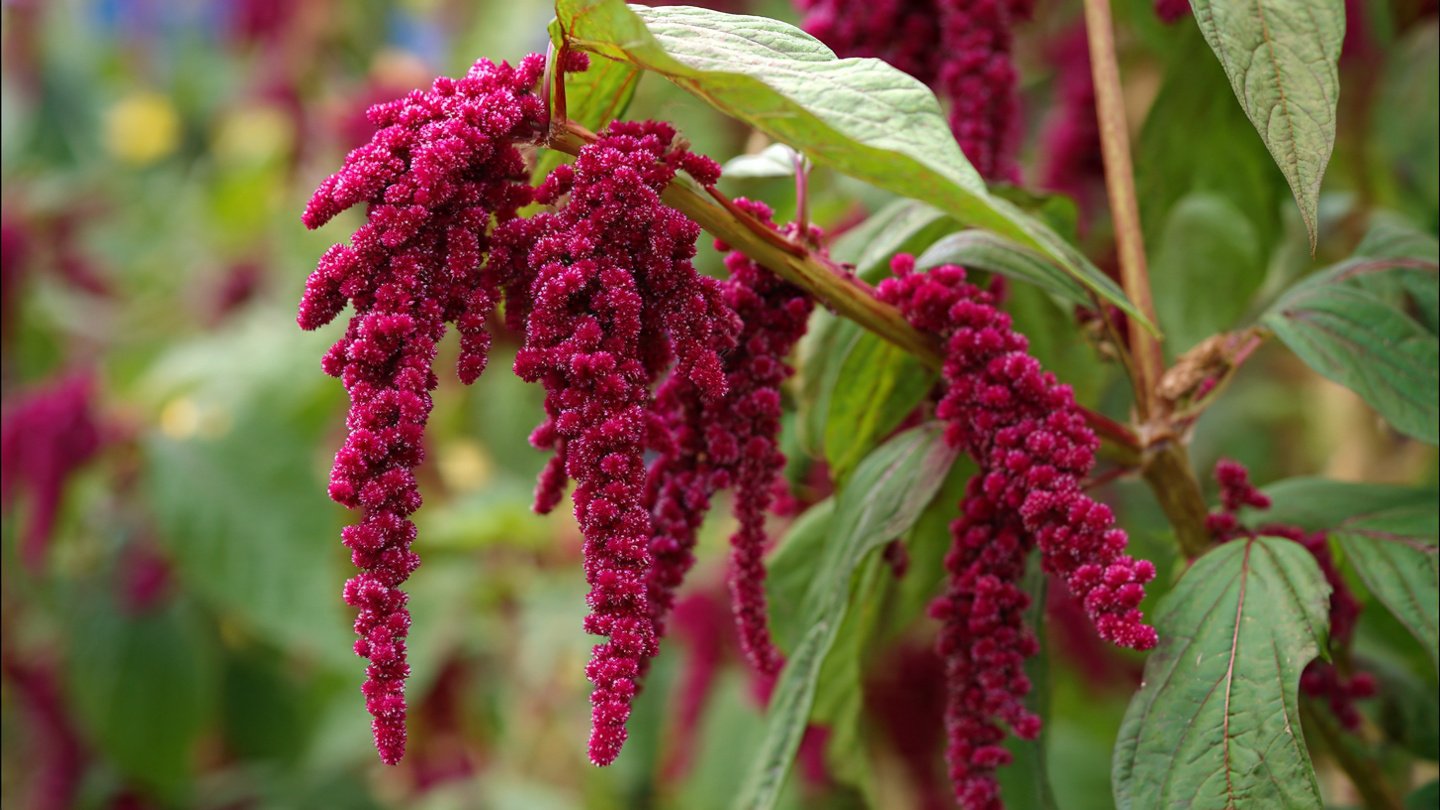
Amaranth, a resilient and versatile plant often hailed for its nutritional value and aesthetic appeal, has gained popularity among gardeners and chefs alike. Known for its vibrant colors and diverse uses—from ornamental gardens to nutritious grain and leafy greens—amaranth offers continuous harvesting opportunities throughout the growing season. In this article, we delve into the best practices for growing amaranth effectively, ensuring a steady supply of this superfood from your garden.
1. Understanding Amaranth Varieties
Before you start growing amaranth, it’s essential to understand the different varieties available, as they can vary in taste, texture, and purpose:
-
Leafy Varieties: These are often grown for their foliage. Common types include ‘Red Callaloo’ and ‘Green Callaloo.’ Leafy amaranths are typically harvested for their tender leaves, which can be eaten like spinach.
-
Grain Varieties: These produce seeds that are used as a gluten-free grain alternative. A popular choice is ‘Hopi Red’, known for its vibrant red seeds and nutritious content.
-
Ornamental Varieties: These are grown primarily for their beauty. Examples include ‘Love Lies Bleeding’ and ‘Tall Red Spike’, which can add stunning visuals to your garden.
Choosing the right variety is crucial for achieving optimal results based on your harvesting goals.
2. Choosing the Right Growing Conditions
Soil Requirements
Amaranth thrives in well-drained, nutrient-rich soil with a pH of 6.0 to 7.0. Here are some tips for preparing the soil:
-
Soil Testing: Conduct a soil test to understand nutrient composition and pH. Amend the soil with organic matter such as compost or well-rotted manure to enhance fertility.
-
Drainage: Ensure good drainage to prevent waterlogged conditions that can hinder growth. Raised beds are an excellent option for homeowners dealing with poor drainage.
Sunlight
Amaranth prefers full sun, requiring at least 6-8 hours of direct sunlight daily. Choose a planting site that is unobstructed by trees or buildings.
Climate Considerations
Amaranth is adaptable to various climates but flourishes in warm conditions. Ideally, the temperature should be between 70°F and 90°F (21°C to 32°C). It can tolerate drought, making it suitable for regions with less consistent rainfall.
3. Sowing Amaranth Seeds
Timing
To achieve continuous harvesting, stagger your sowing:
-
Direct Sowing: Plant seeds directly in the garden after the danger of frost has passed. Depending on your location, this could be in late spring.
-
Succession Planting: Sow new seeds every 2-3 weeks throughout spring and summer to ensure a continuous supply of leaves and seeds.
Seed Depth and Spacing
-
Seed Depth: Plant seeds at a depth of ¼ to ½ inch.
-
Spacing: Space seeds about 12 inches apart if planting for seed heads. For leafy varieties, you can plant closer together (6–12 inches apart) and thin them as they grow.
Germination
Amaranth seeds germinate within 5 to 14 days, depending on soil temperature. Keep the soil consistently moist during this period.
4. Caring for Your Amaranth Plants
Watering
Amaranth is drought-resistant but benefits from consistent moisture. Implement the following watering strategies:
-
Frequency: Water weekly, giving deeper infrequent watering to encourage deep root growth.
-
Mulching: Use organic mulch to retain soil moisture and suppress weeds.
Fertilizing
Feed your amaranth plants once the seedlings have developed true leaves. Consider these fertilizer options:
-
Organic Fertilizer: Use a balanced organic fertilizer with nitrogen, phosphorus, and potassium.
-
Liquid Fertilizers: A liquid seaweed or fish emulsion can be beneficial for nutrient uptake.
Weed Control
Regular weeding is essential for reducing competition for nutrients and water. Hand-pulling and mulching can effectively manage weed growth.
Pest and Disease Management
Amaranth is relatively hardy against pests, but vigilance is key:
-
Common Pests: Watch for aphids and spider mites. Introduce beneficial insects or use insecticidal soap for control.
-
Diseases: Fungal diseases can arise in humid conditions. Ensure good air circulation and avoid overhead watering to minimize risk.
5. Harvesting Techniques
Leaf Harvesting
For continuous leaf production, follow these harvesting guidelines:
-
Timing: Start harvesting leaves when the plants are 6–8 inches tall. Older leaves can be tougher and should be harvested first, allowing younger leaves to mature.
-
Method: Use scissors to cut the leaves at the stem, which encourages new growth.
Seed Harvesting
If you are growing amaranth for grains, follow these tips for seed harvesting:
-
Timing: Harvest seeds when the flower heads have dried but before they shatter. This typically occurs 10 to 12 weeks after flowering.
-
Method: Cut the entire flower head and allow it to dry further in a paper bag. Once dried, shake the bag to release the seeds.
Post-Harvest Care
Store harvested seeds in a cool, dry location. Properly dried leaves can be blanched and frozen or dried for later use in various recipes.
6. Troubleshooting Common Issues
Poor Germination
If your seeds are not germinating well, check for:
-
Soil Temperature: Insufficient warmth can slow or prevent germination.
-
Soil Quality: Poor quality or overly compacted soil can inhibit root development.
Yellowing Leaves
Yellow leaves are usually a sign of nutrient deficiencies, particularly nitrogen. Consider fertilizing or amending your soil with organic matter.
Stunted Growth
This can be caused by:
-
Water Stress: Too much or too little water.
-
Pest Infestation: Regular checks for pests can facilitate early intervention.
7. Cultivating Amaranth in Containers
If space is limited, amaranth can be successfully cultivated in containers:
-
Container Size: Use a container that is at least 12 inches deep.
-
Potting Mix: Opt for a high-quality potting mix that retains moisture but drains well.
-
Location: Place the container in a sunny spot to ensure the plants get adequate light.
FAQs
1. How long does it take for amaranth to grow?
Amaranth typically takes 70 to 100 days to reach maturity, depending on the variety. Leafy varieties can be harvested within 30 days.
2. Can I grow amaranth in shade?
Amaranth thrives in full sun, so try to avoid shaded areas. Insufficient light will result in poor growth and yield.
3. Is amaranth drought-tolerant?
Yes, amaranth is drought-tolerant but perform best with consistent moisture during their growing stages.
4. What pests should I be on the lookout for?
Common pests include aphids, leafhoppers, and spider mites. Regular inspection and organic pest control methods can help manage infestations.
5. Can I save seeds from my amaranth?
Yes! Amaranth seeds can be collected and saved. Be sure to let the seed heads dry thoroughly before storing them.
6. How can I incorporate amaranth into my diet?
Amaranth can be used in a variety of ways, including salads, soups, and baked goods. The leaves can be steamed or sautéed like spinach, while the seeds can be cooked similarly to quinoa.
7. Is amaranth suitable for all soil types?
While amaranth can adapt to various soil types, it performs best in well-draining, nutrient-rich soils. Avoid heavy clay or sandy soils without amendments.
Conclusion
Growing amaranth provides not only a vibrant addition to your garden but also a continuous source of nutritious food throughout the season. By following these best practices—selecting the right variety, ensuring optimal growing conditions, employing effective harvesting techniques, and maintaining plant health—you can enjoy a flourishing crop of amaranth that can enhance your culinary repertoire and contribute to sustainable gardening. With careful planning and care, your garden can yield this incredible plant from spring until the first frost, offering both beauty and bounty.