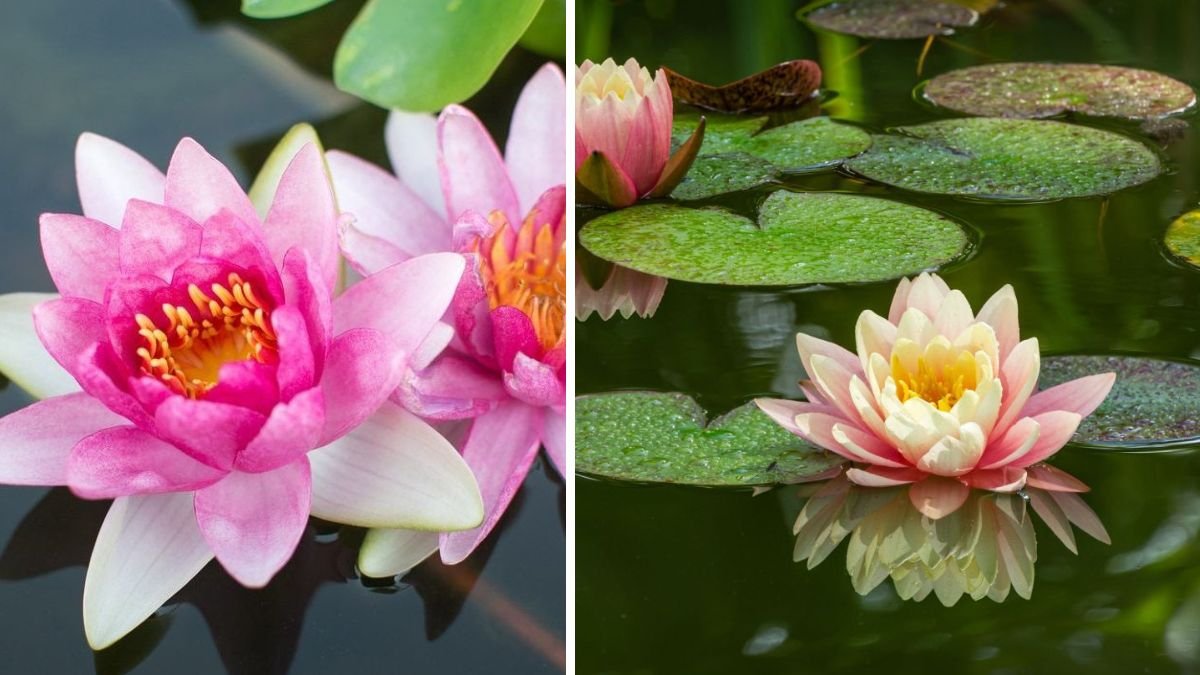
Lotus flowers (Nelumbo nucifera) are not just beautiful; they are also symbols of purity, enlightenment, and rebirth in many cultures. Their elegant blooms and unique foliage can add a stunning focal point to any small outdoor space. Whether you have a balcony, patio, or small garden, growing lotus flowers in containers can be a rewarding experience. In this guide, we’ll cover everything you need to know about successfully cultivating these aquatic gems in limited spaces.
Understanding Lotus Flowers
Lotus flowers are aquatic plants that thrive in shallow water. They are native to warm climates but can be successfully grown in many regions if the appropriate conditions are provided. Lotus plants feature large, flat leaves that float on the water’s surface, and their iconic flowers can be pink, white, or yellow. These flowers open in the morning and close at night, providing a magical sight during the flowering season.
Why Grow Lotus in Containers?
- Space Efficiency: Containers allow you to grow lotus flowers in small areas where traditional garden beds aren’t practical.
- Controlled Environment: Containers allow you to control soil type, water levels, and fertilizer, leading to healthier plants.
- Flexibility: You can move containers around to find the best sunlight or keep them protected during extreme weather.
Choosing the Right Container
Selecting an appropriate container is critical for the successful growth of lotus flowers. Here are key factors to consider:
-
Size: Choose a large container (at least 10-15 gallons) to provide sufficient room for root development. Larger containers hold more water, reducing the frequency of watering.
-
Material: Plastic, ceramic, or fiberglass containers are ideal. Ensure the material can withstand outdoor conditions and is safe for aquatic plants. Avoid galvanized or treated metals as they can leach harmful chemicals.
-
Drainage: While lotus flowers thrive in water, the containers should not have drainage holes. This helps maintain a consistent water level, which is crucial for these aquatic plants.
Soil Preparation
Using the right soil mixture helps establish a healthy growth environment. Here’s how to prepare your soil:
-
Aquatic Soil Mix: Buy specially formulated aquatic planting media or create your own using a blend of clay soil, pond soil, and sand. This mixture provides good aeration and nutrients.
-
No Fertilizers Initially: When planting your lotus, avoid adding fertilizers immediately. The nutrients in the soil mixture will be sufficient for initial growth. Fertilizers can be introduced later in the growing season.
Planting Your Lotus
When ready to plant, follow these steps for optimum results:
-
Choose Healthy Tubers: Purchase healthy lotus tubers from a reputable source. Look for firm, fresh tubers with visible growth nodes.
-
Planting Depth: Fill the container with soil, leaving about 1-2 inches of space at the top. Place the tuber horizontally on the soil surface. Cover it lightly with soil but ensure the growth nodes are exposed.
-
Watering: Add water gently to the container until it is filled to within 1-2 inches above the soil surface. Avoid displacing the tuber.
Placement and Sunlight
Lotus flowers require a sunny location to thrive. Here’s what to consider:
-
Sunlight: Ensure the container receives at least 6-8 hours of direct sunlight per day. If your container is on a balcony or in a shaded area, consider moving it to a sun-drenched location.
-
Water Temperature: Lotus flowers bloom best in warm water (75-90°F). If you live in cooler climates, consider positioning your container in a space that gets heat from the sun.
Caring for Your Lotus
Caring for lotus flowers involves regular maintenance, including watering, fertilizing, and pest management.
Water Management
-
Water Level: Keep the water level consistent, ensuring it remains above the soil but not overflowing.
-
Change Water: Change about 20-30% of the water every couple of weeks to maintain cleanliness and prevent algae buildup.
Fertilizing
Once your lotus is actively growing (usually early summer), fertilization becomes necessary:
-
Aquatic Fertilizer: Use a slow-release aquatic plant fertilizer that’s safe for water gardens. Apply according to package instructions.
-
Frequency: Fertilize every 4-6 weeks during the growing season to support blooming.
Pruning and Maintenance
-
Remove Dead Leaves: As lotus flowers bloom and grow, remove any dead or damaged leaves to prevent disease.
-
Seed Head Removal: Once blooms fade, cut off seed heads to direct energy back into the plant for new growth.
Managing Pests and Diseases
Although lotus flowers are relatively hardy, they can still fall victim to pests and diseases:
-
Common Pests: Look out for aphids, snails, and caterpillars. Handpick or use insecticidal soap to manage infestations.
-
Water Quality: Maintain clean water and avoid overfertilizing to prevent diseases like root rot.
Overwintering Your Lotus
In colder climates, lotus flowers need protection from freezing temperatures:
-
Container Transportation: Before the first frost, move the container into a garage, basement, or other frost-free environment.
-
Water Management: Reduce water levels and check for signs of rot. If your lotus has died back, keep the tuber in water that stays above freezing.
-
Replanting: In spring, once temperatures warm up, return the tuber to fresh soil and water to encourage new growth.
FAQs
1. Can I grow lotus flowers indoors?
Yes, lotus flowers can be grown indoors if you provide sufficient light, warmth, and appropriate container conditions. Use grow lights if natural sunlight is limited.
2. How long does it take for lotus flowers to bloom?
If planted in optimal conditions, lotus flowers usually bloom within 4-6 weeks after the water warms up in spring and summer.
3. What is the ideal water depth for lotus plants in containers?
Place the water level between 6-12 inches above the soil in your container. This depth allows for optimal growth without causing root rot.
4. Can I plant multiple lotus tubers in one container?
It’s best to plant one tuber per container to allow each plant sufficient space for growth and development.
5. What should I do if my lotus isn’t blooming?
If your lotus flowers are not blooming, check that they are receiving adequate sunlight, warmth, and nutrients. Overcrowding or insufficient water levels can also hinder blooming.
6. Are lotus flowers safe for ponds with fish?
Yes, lotus flowers are usually safe for ponds with fish. They provide shade and oxygen, benefiting the aquatic ecosystem.
Conclusion
Growing lotus flowers in containers is an enchanting way to bring beauty and tranquility to small spaces. By understanding their needs—from soil and water management to sunlight and maintenance—you can successfully cultivate these stunning aquatic plants. With patience and care, your little oasis can flourish and reward you with breathtaking blooms for years to come. Happy gardening!