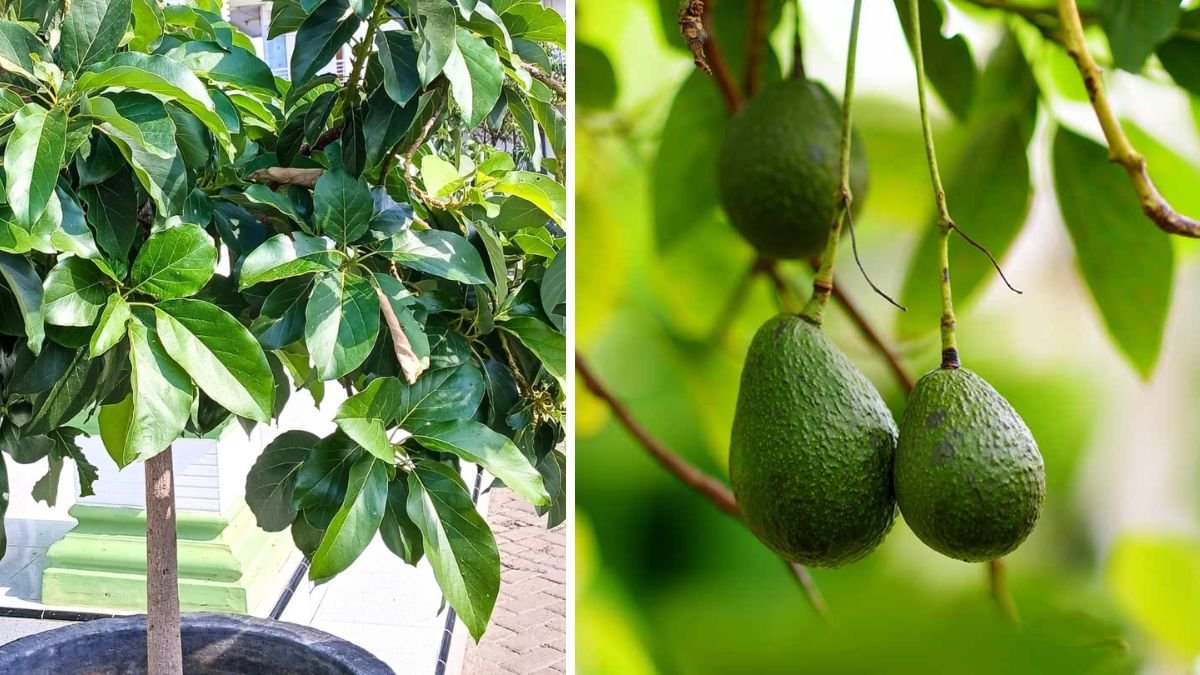
Growing avocado trees (Persea americana) in pots can be a rewarding venture for gardening enthusiasts and lovers of this delicious fruit. While avocados are often grown in the ground, many varieties adapt well to containers, allowing you to cultivate them on patios, balconies, or in smaller spaces. One of the most crucial aspects of ensuring optimal growth and health for avocado trees in pots is proper pruning. This guide will walk you through the intricacies of pruning avocado trees, from the reasons for pruning to the best techniques and timing.
Why Prune Avocado Trees?
Pruning is essential for the overall health and productivity of avocado trees, particularly when grown in pots. Here’s why it matters:
1. Enhances Airflow and Sunlight Exposure
Pruning helps to maintain an open canopy, improving airflow and allowing sunlight to penetrate the tree’s interior. This exposure is vital for photosynthesis and helps prevent diseases associated with overly dense foliage.
2. Controls Size and Shape
Avocado trees can grow quite large, making them challenging to manage in pots. Regular pruning helps control the size and shape, making the tree more manageable and aesthetically pleasing.
3. Encourages New Growth
Pruning stimulates new growth, which is essential for fruity production. By removing older, non-productive branches, you encourage your tree to produce more fruit-bearing shoots.
4. Prevents Disease
Removing dead or diseased branches helps prevent the spread of pathogens. Regular inspection during pruning can help you detect and manage potential health issues before they escalate.
5. Improves Fruit Quality
A well-pruned tree produces better-quality fruit due to improved air circulation, exposure to sunlight, and overall plant health.
When to Prune Avocado Trees
Timing is essential when it comes to pruning avocado trees, especially in pots. Generally, the best time to prune avocado trees is in the spring (March to May) when new growth begins. However, the specific timing can depend on your local climate. Here are a few key considerations:
- Early Spring: This is the best time to carry out major pruning, as the tree is about to start its annual growth.
- Late Summer to Early Fall: Light pruning or deadheading can be done during this period if needed. Avoid heavy pruning late in the season to prevent stress on the tree.
Tools You’ll Need
Before you start pruning, ensure you have the right tools for a clean and effective job:
- Pruning Shears: For small branches and fine adjustments.
- Loppers: For thicker branches that are difficult to cut with shears.
- Hand Saw: For larger branches that need more significant cutting.
- Gloves: Protect your hands while working, especially from sharp branches.
- Disinfectant: Clean your tools before and after pruning to prevent the spread of disease.
How to Prune Avocado Trees
Pruning avocado trees can be broken down into several steps. Follow these techniques for optimal results:
1. Assess the Tree
Before you start pruning, take a step back and assess the overall shape and health of the tree. Look for:
- Weak or crossed branches
- Dead or diseased wood
- Areas that lack sunlight or airflow
2. Remove Dead or Diseased Branches
Start your pruning session by removing any dead or diseased branches. Cut these branches back to the healthy wood or to the trunk. Ensure you finish cuts cleanly to avoid leaving ragged edges, which can invite diseases.
3. Thin Out the Canopy
To increase airflow and sunlight penetration, thin out crowded areas of the canopy. Choose 3-4 dominant branches and remove smaller, less productive branches. Be cautious not to remove too much foliage at once, as this can stress the tree.
4. Shape the Tree
Maintain a desirable shape by focusing on creating a strong central leader or a balanced canopy. Trim back any branches that are significantly longer than others or those that create an uneven shape. Aim for a rounded, open canopy rather than a dense, bushy profile.
5. Reduce Height (If Necessary)
If your avocado tree is getting too tall for your space, reduce its height by cutting back the main branches. Make cuts above a node (the small bump on the branch) to encourage new growth below. However, avoid removing more than 25% of the tree’s height at once; otherwise, you risk stress and reduced production.
6. Aftercare
Once pruning is complete, ensure the tree receives proper aftercare. Water the tree thoroughly, but avoid overwatering. You may also consider applying fertilizer, but only if the tree shows signs of nutritional deficiency.
Tips for Healthy Avocado Trees in Pots
1. Choose the Right Pot
Select a pot that is large enough to accommodate the tree’s root system. Ensure it has drainage holes to prevent waterlogging. A pot size of at least 10-20 gallons is generally recommended for mature avocado trees.
2. Use Quality Soil
Use a well-draining potting mix with organic matter like compost. Avocado trees prefer slightly acidic to neutral pH levels, so ensure your soil meets these requirements.
3. Regular Watering
Water your avocado tree regularly but avoid over-saturating the soil. Allow the top inch of soil to dry out between waterings. During warm months, your tree may require more frequent watering.
4. Fertilization
Feed your avocado tree with a balanced, slow-release fertilizer every 4-6 months. Look for fertilizers rich in nitrogen, phosphorus, and potassium.
5. Monitor for Pests
Keep an eye out for common pests like aphids, spider mites, and scale insects. If you notice any infestations, treat them promptly using organic insecticides or methods like neem oil.
FAQs
Q1: How often should I prune my avocado tree in a pot?
A1: Pruning should be done once a year during early spring. Light trimming can be conducted during late summer or early fall if necessary.
Q2: Can I prune my avocado tree in the winter?
A2: It’s best to avoid heavy pruning in winter since the tree is dormant and more susceptible to stress.
Q3: What should I do if I accidentally cut too much from my avocado tree?
A3: If you’ve pruned more than 25% of the tree, give it special attention afterward. Ensure it is well-watered and monitor for any signs of stress or disease.
Q4: Will pruning affect fruit production?
A4: Pruning can initially reduce fruit production, as the tree may focus on recovery, but it generally promotes new growth and encourages better fruit quality in the long term.
Q5: Can I propagate avocado trees from pruned branches?
A5: Yes, you can propagate avocado trees from cuttings, but success rates vary. Ensure you use healthy, semi-hardwood cuttings and consider using rooting hormone to enhance growth.
Q6: Why are the leaves of my avocado tree turning yellow?
A6: Yellowing leaves may indicate overwatering, nutrient deficiencies, or pest infestations. Check the soil moisture and inspect the leaves for pests.
Conclusion
Pruning avocado trees in pots is a vital practice that promotes healthy growth and fruit production. By understanding the importance of timing, the right tools, and effective techniques, you can help your tree thrive in a container environment. Regular maintenance will not only improve the tree’s health but also enhance your gardening experience, leading to bountiful harvests of fresh avocados. With this ultimate guide at your disposal, you’re well on your way to enjoying a thriving avocado tree right at home.