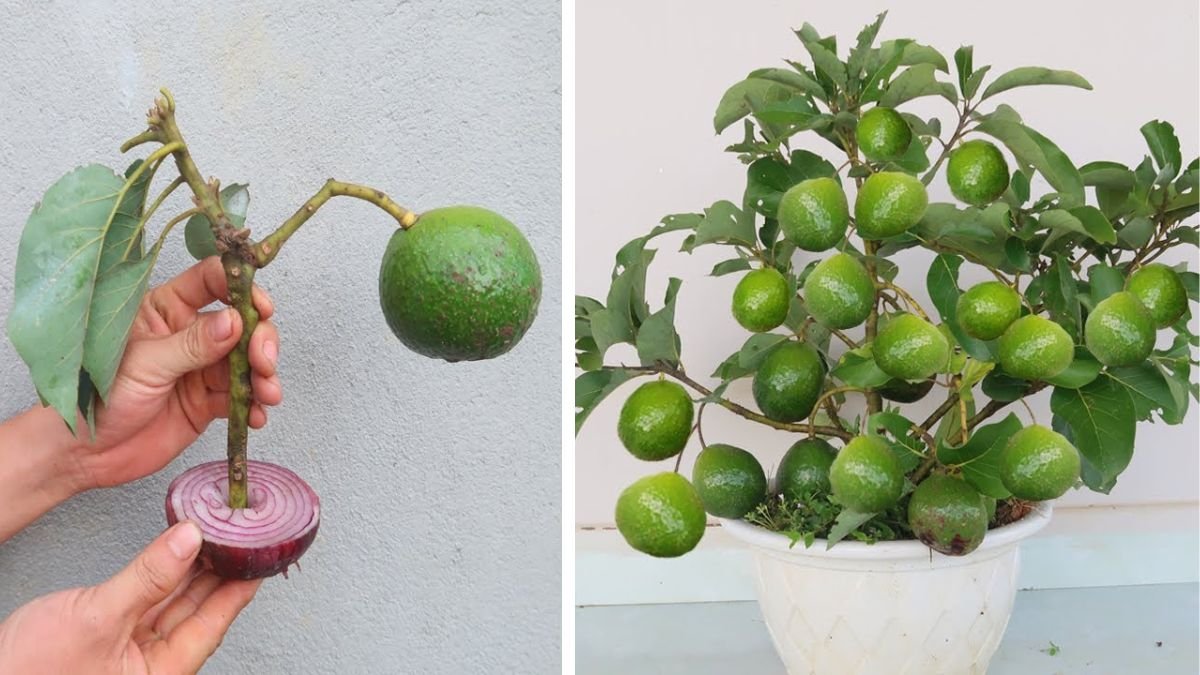
Avocado trees (Persea americana) are not just a boon to your garden, but they also enrich your culinary experiences. These trees produce delicious fruits packed with nutrients and healthy fats, making them a favorite among many. Propagating avocado trees from cuttings is a gratifying endeavor that can help you grow healthy plants in your own backyard. This article serves as a comprehensive guide, detailing the processes involved and providing expert tips to ensure your success.
Understanding Avocado Propagation
1. What is Propagation?
Propagation is the process of creating new plants from existing ones. While avocados are commonly grown from seeds, propagating from cuttings is often preferred for those who want to replicate specific traits or grow trees that bear fruit sooner.
2. Why Choose Cuttings?
- Genetic Purity: Cuttings will produce a tree that is genetically identical to the parent plant, ensuring the same quality and quantity of fruit.
- Faster Fruit Production: Avocado trees grown from cuttings may begin to bear fruit in as little as 2-3 years, compared to the 5-13 years it takes for seed-grown trees.
- Disease Resistance: Taking cuttings from a healthy, well-adapted parent plant can contribute to a healthier crop.
Choosing the Right Parent Plant
1. Selecting a Healthy Tree
Choose a mature avocado tree that produces high-quality fruit. Look for signs of vigor, such as healthy leaves and branches, and avoid plants that display disease or pest infestation.
2. Determining the Best Time for Cuttings
The optimal time for taking cuttings is during the late spring to early summer, when the tree is actively growing. This encourages rooting as the plant focuses its energy on new growth.
Taking Cuttings
1. Tools and Materials Needed
- Sharp Pruning Shears: For clean cuts.
- Clean Potting Soil: A mix high in organic matter is recommended.
- Rooting Hormone (optional): A powder that can help stimulate root growth.
- Containers: Small pots or trays with drainage holes.
- Plastic Bag or Dome: To maintain humidity around the cuttings.
2. The Cutting Process
-
Prepare the Tools: Clean your pruning shears with rubbing alcohol to minimize the risk of disease transfer.
-
Select a Healthy Stem: Look for semi-hardwood stems, which are neither too soft nor too woody. Aim for a cutting that is about 6-8 inches long with at least two nodes (the points where leaves were attached).
-
Make the Cut: Cut just below a node at a 45-degree angle, which increases the surface area for water uptake.
-
Remove Lower Leaves: Trim away the leaves on the lower half of the cutting to reduce water loss and to help the cutting focus on root development.
-
Optional Step with Rooting Hormone: Dip the cut end into rooting hormone to encourage faster rooting. Tap off any excess powder.
-
Plant the Cutting: Fill your container with potting soil and make a hole deep enough to bury the cut end of the stem. Place the cutting in the hole and gently pack the soil around it.
3. Watering and Caring for Cuttings
After planting, water the cutting lightly, ensuring that it is moist but not waterlogged. Place a plastic bag or humidity dome over the cutting to maintain humidity levels, but make sure to vent it occasionally to prevent mold growth.
The Rooting Process
1. Light and Temperature
Place the container in a warm location with indirect sunlight. A temperature range of 70-80°F (21-27°C) is ideal for root development.
2. Watering
Keep the soil consistently moist but not soggy. Check regularly for moisture levels and adjust as needed.
3. Timeframe for Rooting
Cuttings typically take 4-6 weeks to develop roots, but this can vary. You can gently tug on the cutting to test for resistance, a sign that roots are forming.
Transplanting Your New Avocado Tree
1. Signs of Successful Rooting
Once the cutting has strong roots, it will start to produce new leaves. This is a good indication that it’s time to transplant.
2. Timing of Transplanting
Transplant your newly rooted avocado plant into a larger pot or directly into your garden during the spring or early summer.
3. Soil Requirements
Use well-draining soil, ideally a mix of organic matter, sand, and perlite. Avocado trees prefer slightly acidic to neutral soil (pH 6-7).
4. Planting in the Garden
If planting in the garden, select a site with full sunlight and ensure good drainage. Holes should be dug wide enough to accommodate root expansion, typically 2-3 feet apart for space between trees.
Ongoing Care for Your Avocado Tree
1. Watering
Young avocado trees require regular watering, especially during dry spells. Water deeply and allow the top inch of soil to dry out between watering.
2. Fertilization
Fertilize your avocado tree every few months using a balanced fertilizer. Look for fertilizers specifically formulated for fruiting trees.
3. Pruning
Regular pruning helps to shape the tree and encourages healthy growth. Remove any dead or diseased branches and focus on maintaining an open canopy for good light penetration.
4. Pest and Disease Management
Monitor your avocado tree for pests like aphids and mites. Use organic pesticides or neem oil as needed, and remove diseased leaves promptly.
Common Mistakes to Avoid
-
Overwatering: This is one of the leading causes of failure. Ensure proper drainage.
-
Ignoring Light Needs: Insufficient light can hinder growth. Place in a well-lit area.
-
Neglecting to Monitor for Root Development: Timely transplanting is crucial for healthy growth.
-
Using Poor Quality Cuttings: Always select healthy, vigorous parent plants.
FAQs About Propagating Avocado Trees from Cuttings
1. Can any avocado tree be propagated?
Yes, any healthy avocado tree can be propagated using cuttings, but the best results will come from trees known for their fruit quality and disease resistance.
2. How long does it take for avocado cuttings to root?
Typically, avocado cuttings take 4-6 weeks to root, depending on environmental conditions.
3. Can I grow an avocado tree from the pit instead of a cutting?
Yes, you can grow avocado trees from pits, but this method generally takes longer for the tree to bear fruit compared to using cuttings.
4. What type of avocado tree should I propagate?
Choose trees that are well-adapted to your local climate and known for producing quality fruit. Mexican, Guatemalan, and West Indian avocados each have unique flavors and growing requirements.
5. How can I tell if my cutting has rooted?
Signs of rooting include new leaves emerging and resistance when gently tugging on the cutting.
6. What should I do if my cutting fails to root?
If your cutting fails to root, reconsider your conditions. Check for issues related to moisture, light, and soil drainage. Try taking another cutting from the parent plant.
7. What is the best soil for avocado trees?
Use well-draining soil rich in organic matter. A mix of garden soil, sand, and compost is ideal.
Conclusion
Successfully propagating avocado trees from cuttings can be a rewarding experience, providing you with fresh avocados in your backyard in just a few years. By carefully selecting your parent plant, using the right techniques, and providing ongoing care, you can cultivate your own thriving avocado tree. Now that you’re equipped with this comprehensive guide, it’s time to get planting!