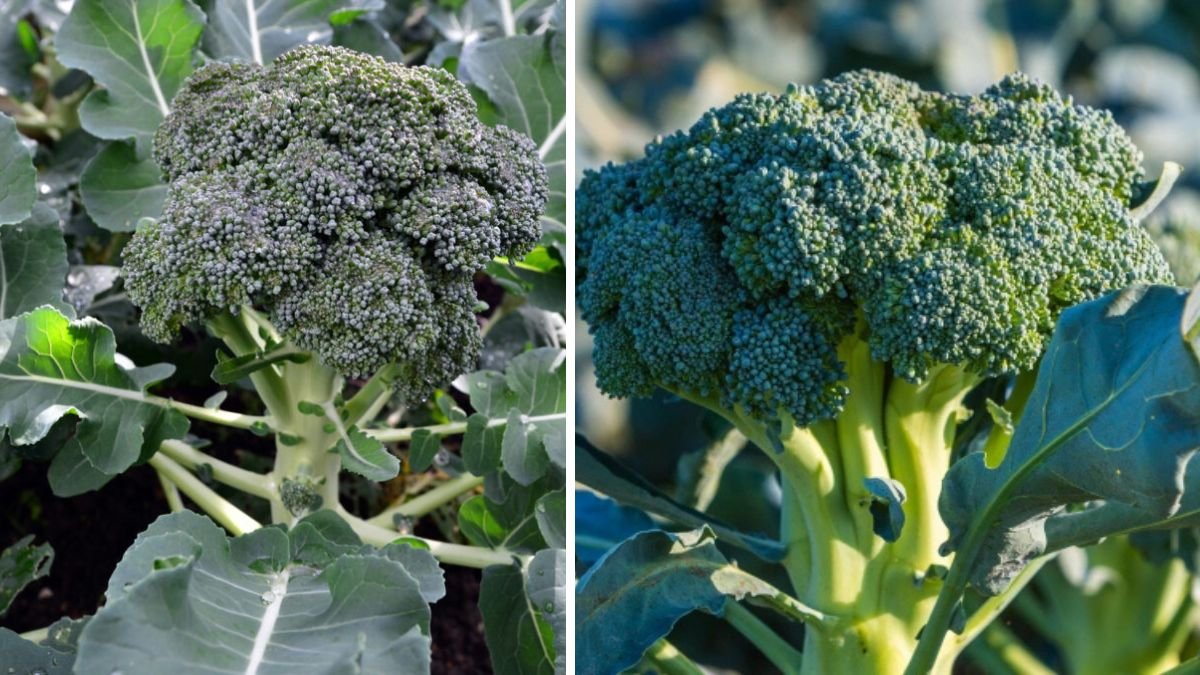
Broccoli is a nutritious, versatile vegetable that many gardeners aspire to grow. With its rich vitamin content and culinary adaptability, it’s a great choice for year-round cultivation. To maximize your yield and enjoy a continuous harvest, understanding planting techniques, seasonal considerations, and maintenance practices is essential. In this guide, we’ll cover everything from soil preparation to harvesting techniques, all aimed at helping you achieve optimal results.
Understanding Broccoli Varieties
Before diving into cultivation techniques, it’s important to know the different types of broccoli available:
- Calabrese Broccoli: This is the most common variety, characterized by its large heads and thick stems.
- Sprouting Broccoli: Smaller heads and multiple side shoots; ideal for extending the harvest.
- Chinese Broccoli (Gai Lan): A leafy variety with tender stalks; mild flavor.
- Broccolini: A hybrid of broccoli and Chinese broccoli, it has smaller florets and is known for its sweet taste.
Choosing the right variety for your climate and preferences will be crucial to your success.
Soil Preparation
Choosing the Right Location
Broccoli thrives in full sunlight and well-draining soil. Look for a location that receives at least six hours of sunlight daily. Ensure good air circulation to prevent fungal diseases.
Soil Testing
Conduct a soil test to understand the pH level and nutrient content. Broccoli prefers slightly acidic to neutral soil (pH 6.0 to 7.0). Based on test results, amend your soil with organic matter like compost, well-rotted manure, or bone meal to enrich its nutrient profile.
Tilling the Soil
Loosen the soil by tilling it to a depth of about 12 inches. This improves drainage and aeration.
Nutrient Enrichment
Incorporate balanced fertilizers that are high in nitrogen (like a 10-10-10 or 14-14-14 mix) to promote healthy foliage growth. A nitrogen-rich environment leads to robust plant development.
Planting Techniques
Timing Your Planting
Broccoli can be grown as a fall, winter, or spring crop, depending on your climate:
- Spring Planting: Start seeds indoors 6-8 weeks before the last frost date, or sow them directly outside as soon as the soil is workable.
- Fall Planting: Plant seeds in mid-summer so you can harvest in late fall or early winter, especially in milder climates.
- Winter Growing: In some regions, you can grow broccoli over winter by using row covers to protect plants from frost.
Seed Starting
-
Indoors: Start your seeds in trays filled with seed-starting mix. Maintain a temperature of 70-75°F until germination occurs (usually within 5-10 days). Provide adequate light using grow lights to prevent leggy seedlings.
-
Outdoors: Direct sow seeds in soil that has warmed sufficiently in spring or sow in late summer for a fall crop.
Transplanting Seedlings
If starting seeds indoors, transplant your seedlings outdoors once they have 2-3 true leaves and the risk of frost has passed. Space them 18-24 inches apart in rows 24-36 inches apart to allow ample room for growth.
Planting Layout
Utilize a well-planned layout to maximize yield:
Companion Planting
Include companions like herbs (basil, mint) or flowering plants (marigolds) that deter pests or attract beneficial insects.
Intercropping
Grow faster-maturing crops (like lettuce or radishes) in between broccoli rows to optimize space and resources.
Maintenance Practices
Watering
Broccoli requires consistent moisture, so regular watering is essential. Aim for about 1-1.5 inches of water per week. The best time to water is early in the morning to prevent moisture loss through evaporation.
Fertilization
Reapply a nitrogen-rich fertilizer every 4-6 weeks, especially after side shoots begin to form. Fertilize sparingly to avoid excessive foliage at the expense of head development.
Weed Control
Regularly check for weeds to reduce competition for nutrients. Use mulch around plants to prevent weed growth and retain moisture.
Pest and Disease Management
Common pests include aphids, cabbage worms, and flea beetles. Implement integrated pest management (IPM) techniques:
- Manual Removal: Handpick pests off plants.
- Natural Predators: Introduce ladybugs and lacewings to control aphid populations.
- Organic Sprays: Use neem oil or insecticidal soap for severe infestations.
Prevent diseases by practicing crop rotation and ensuring good air circulation through proper spacing.
Harvesting Techniques
Determining Harvest Time
Broccoli is ready to harvest when the heads turn a deep green and are firm, typically around 70-100 days after planting, depending on the variety. Harvest while the buds are still closed before they begin to flower.
Harvesting Process
Use a sharp knife or garden shears to cut the central head, leaving a few inches of stem. Conducively, this encourages the growth of side shoots for additional harvests.
Post-Harvest Handling
Broccoli is best eaten fresh but can be stored in the refrigerator in a perforated plastic bag for up to a week. Blanching and freezing are also options for long-term storage.
Maximizing Year-Round Harvest
To ensure a continuous supply of broccoli, practice the following techniques:
-
Staggered Planting: Sow seeds every few weeks to spread out your harvest.
-
Succession Planting: After harvesting a central head, allow side shoots to develop for additional harvesting.
-
Overwintering: In regions with mild winters, use row covers to protect plants for a winter harvest.
FAQs
1. What pests should I watch for when growing broccoli?
Common pests include aphids, cabbage worms, and flea beetles. Monitor your plants regularly for signs of infestation and take action promptly.
2. How can I tell when broccoli is ready to harvest?
Harvest when the heads are firm, deep green, and before the flower buds begin to open.
3. Can broccoli be grown in containers?
Yes, broccoli can be successfully grown in containers as long as they are deep enough (at least 12 inches) to accommodate the root system.
4. How do I prevent diseases in my broccoli plants?
Practicing crop rotation, ensuring proper spacing, and removing any infected plants are key preventive measures. Keeping good air circulation helps as well.
5. Is it necessary to fertilize broccoli?
Yes, regular fertilization, particularly with nitrogen-rich fertilizers, encourages healthy growth and optimal yields. Reapply every 4-6 weeks.
6. Can I plant broccoli in the summer?
While broccoli prefers cooler temperatures, you can plant heat-tolerant varieties in late summer for a fall crop.
7. How long does it take for broccoli to grow from seed to harvest?
Broccoli typically takes 70-100 days from seed to harvest, depending on the variety and growing conditions.
8. What is the best way to store harvested broccoli?
Keep broccoli in the refrigerator in a perforated plastic bag. It can last about a week. For long-term storage, blanch and freeze.
Conclusion
Cultivating broccoli may require a bit of diligence and attentiveness, but the rewards are bountiful. With proper soil preparation, smart planting techniques, and ongoing maintenance, you can enjoy a year-round harvest. Remember to make adjustments based on your specific environmental conditions, choose the right varieties, and remain vigilant against pests and diseases. Happy gardening!