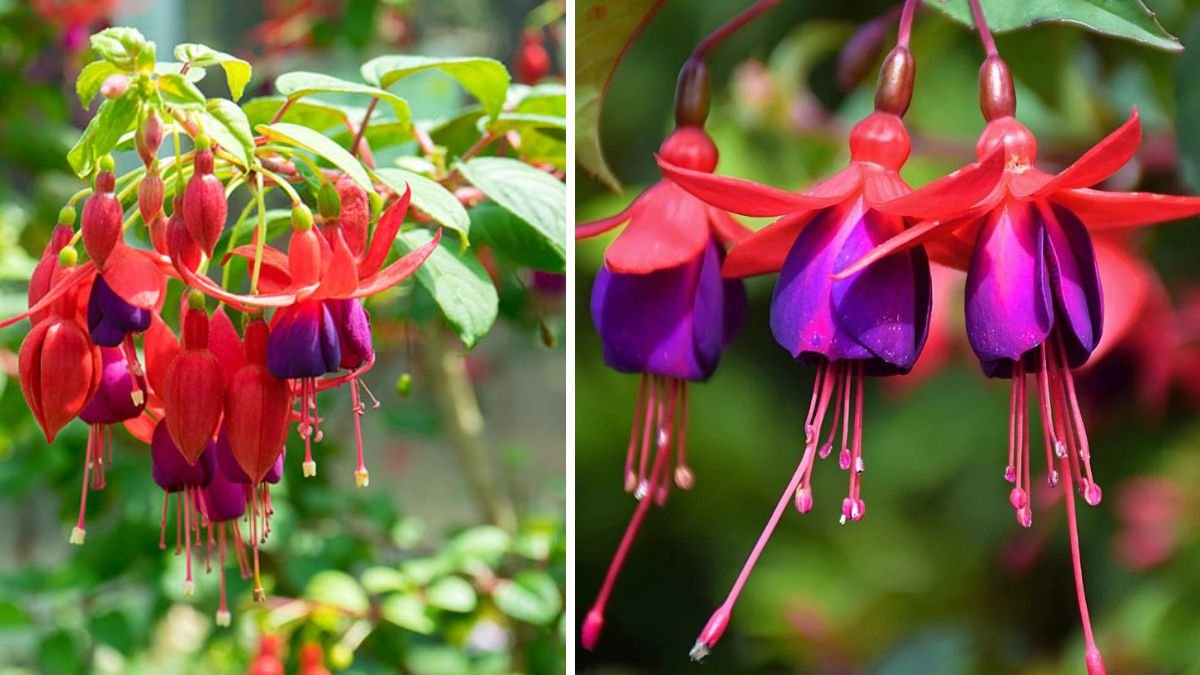
Fuchsia is a stunning flowering plant popular among garden enthusiasts for its vibrant, pendulous blooms that bring a splash of color to gardens, patios, and balconies. While fuchsia plants are generally hardy and can thrive in a variety of conditions, they require proper care to flourish. One of the common issues gardeners face is bud drop, a frustrating phenomenon that can affect the beauty of these flowers. In this guide, we will explore easy methods for cultivating fuchsia and preventing bud drop, employing natural techniques that benefit both the plants and the environment.
Understanding Fuchsia
Before delving into cultivation and care, it is important to understand what fuchsia plants need to thrive. Fuchsia (genus Fuchsia) encompasses several species and hybrids, offering diverse flower colors and growth habits. Typically, fuchsias prefer these conditions:
- Lighting: Bright, indirect sunlight is ideal. Too much direct sunlight can scorch the leaves, while too little can hinder blooming.
- Soil: Well-draining soil with plenty of organic matter ensures healthy growth.
- Water: Regular watering is essential, but care must be taken to avoid waterlogging.
- Fertilizer: Balanced, slow-release fertilizers or organic options provide the nutrients fuchsias need.
Understanding these needs lays the foundation for effective cultivation.
Cultivation Methods for Fuchsia
Whether you’re growing fuchsia in pots or garden beds, here are some easy methods to ensure healthy plants.
1. Choose the Right Variety
Fuchsia comes in various types, including upright, trailing, and hardy varieties. Selecting a variety suited to your climate conditions is crucial. For example, trailing fuchsias are perfect for hanging baskets, while upright varieties work well in garden beds. Researching your region’s hardiness zone can guide your selection.
2. Planting Properly
When planting fuchsia, consider the following steps:
- Timing: Late spring is the best time to plant fuchsias, after the danger of frost.
- Spacing: Give each plant adequate space for airflow, which helps prevent diseases.
- Soil Preparation: Amend the soil with compost or well-rotted manure to enhance drainage and nutrient content.
3. Ideal Watering Practices
Fuchsias enjoy moisture but detest getting soggy. Here are some tips for effective watering:
- Check Soil Moisture: Always check the soil’s top inch; if it feels dry, it’s time to water.
- Water in the Morning: Watering early in the day ensures that the plants have time to absorb moisture before the sun’s heat.
- Use Mulch: Applying a layer of organic mulch around the base helps retain moisture while reducing weeds.
4. Pruning for Health and Shape
Regular pruning encourages bushier growth and more abundant blooms. The best practices for pruning include:
- Early Spring Pruning: Prune back dead or damaged stems to encourage new growth.
- Deadheading: Remove spent flowers to prompt the plant to produce more buds, preventing energy wastage.
5. Fertilizing Naturally
To keep fuchsia plants healthy, a consistent fertilization schedule is essential. Natural alternatives include:
- Compost Tea: Soak compost in water for 24 hours, then apply the nutrient-rich water to feed your plants.
- Fish Emulsion: This organic fertilizer offers a balanced source of nitrogen and encourages lush foliage.
6. Pest and Disease Management
Maintaining healthy plants is pivotal in preventing bud drop. Here’s how to manage pests and diseases naturally:
- Regular Inspections: Check the leaves regularly for pests such as aphids, whiteflies, and spider mites.
- Neem Oil: Spraying neem oil can deter pests without harming beneficial insects.
- Companion Planting: Planting species like marigolds can attract beneficial insects that help manage pest populations.
7. Environmental Considerations
Providing a favorable environment is key to preventing bud drop:
- Temperature: Fuchsias can be sensitive to temperature fluctuations. Protect them from cold drafts and extreme heat.
- Humidity: Increase humidity around your plants by misting them or placing a tray of water nearby. Fuchsias thrive in humid environments.
Preventing Bud Drop
Bud drop can occur due to several factors including stress, poor watering practices, and pest infestations. Here are effective methods to prevent this issue:
1. Consistent Watering
Fluctuations in moisture can lead to stress, causing buds to drop. Maintain consistent watering schedules, but avoid overwatering. A well-drained potting mix and good drainage holes are essential.
2. Light Management
Fuchsias require bright but indirect light. If your plants are exposed to too much direct sunlight, buds may drop. Consider using sheer curtains to filter the sunlight, or relocating them during the hottest months.
3. Gradual Acclimatization
If transitioning plants from indoors to outdoors, do so gradually. Sudden changes in conditions can shock the plant, leading to bud drop. Start with a few hours of outdoor exposure, gradually increasing as the plant acclimates.
4. Feed Nurturing Nutrients
Provide adequate nutrients to support growth. If buds are dropping, it may be a sign of nutrient deficiency. Using slow-release fertilizers can help provide a steady supply of nutrients.
5. Monitor for Pests
Regular checks for bug infestations can save a fuchsia’s blooms. If pests are found, treat them immediately with natural solutions, effectively reducing the stress on the plant and preventing bud drop.
6. Seasonal Adjustments
Be mindful of seasonal changes. During winter, fuchsias may enter a dormant phase, especially in colder climates. This is normal, and adjusting care routines during this period can reduce stress and bud drop.
7. Gentle Handling
When moving fuchsias, do so gently to avoid damaging stems and buds. Any physical shock can result in stress responses, including bud drop.
Conclusion
Cultivating fuchsia plants can bring joy and beauty to your space, especially with their vibrant blooms. By following these easy methods to cultivate, nurture, and manage these plants while emphasizing natural solutions, you can maintain healthy plants that not only thrive but also prevent bud drop. Patience and observation are key components of successful gardening, so take time to enjoy the process!
FAQs
1. How often should I water my fuchsia plants?
Water your fuchsia when the top inch of soil feels dry. Generally, this may range from once a day to once a week, depending on weather conditions.
2. What is the best soil type for fuchsia?
Use a well-draining potting mix rich in organic matter to ensure healthy growth. A combination of peat moss, perlite, and compost works well.
3. Can fuchsia plants survive winter?
Hardy fuchsia varieties can survive winter in some climates, but non-hardy types may need to be brought indoors or protected from freezing temperatures.
4. Why are my fuchsia buds dropping?
Bud drop can occur due to environmental stress, inconsistent watering, pest infestations, or inadequate light. Assess your care routine if you notice this issue.
5. How can I encourage more blooms on my fuchsia?
Regular deadheading, providing adequate nutrients, and ensuring proper light and water conditions can encourage more blooming on your fuchsia plants.
6. Are there any diseases that commonly affect fuchsia?
Yes, fuchsias can be prone to root rot and fungal issues. Proper watering, well-draining soil, and air circulation can minimize these risks.
7. Is it necessary to fertilize fuchsia plants?
While not strictly necessary, fertilizing helps promote healthy growth and abundant blooms. Use organic options or balanced fertilizers for the best results.