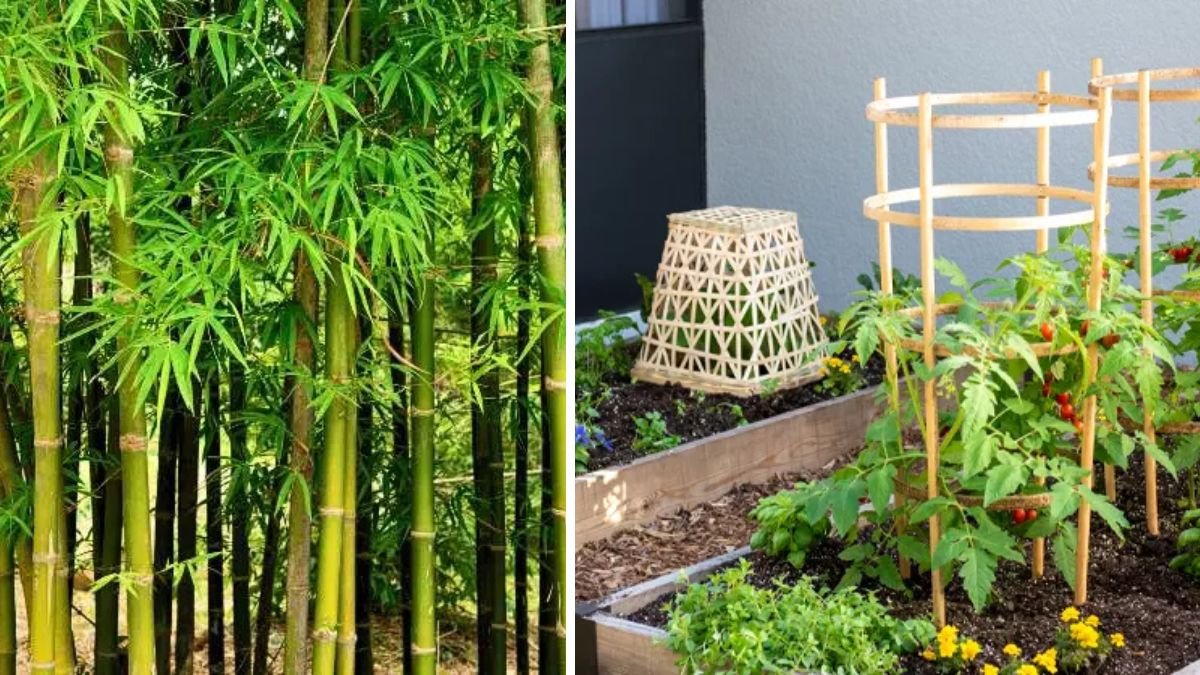
Bamboo, known for its remarkable growth rate and versatile applications, is a favored plant among gardeners and landscapers alike. With over 1,400 species available, bamboo can serve as a stunning privacy screen, a decorative feature, or even a sustainable resource for various DIY projects. For those looking to expand their bamboo collection, propagating bamboo through branch cuttings can be an effective method. In this comprehensive guide, we’ll explore the steps to successfully propagate bamboo via cuttings, tips for care, and frequently asked questions.
Understanding Bamboo
Before diving into propagation techniques, it’s essential to understand the types of bamboo. Bamboo can be broadly categorized into two types: clumping and running bamboo.
-
Clumping Bamboo:
- Grows in tight clusters and spreads slowly.
- Ideal for small gardens.
- Easier to control.
-
Running Bamboo:
- Spreads rapidly through underground rhizomes.
- Often requires containment strategies.
- Suitable for larger spaces.
When propagating bamboo, consider which type you’re working with, as the approach may differ slightly.
Materials Needed
For Propagating Bamboo Cuttings
- Healthy Bamboo Plant: Ensure it’s disease-free.
- Sharp Pruning Shears: For clean cuts.
- Rooting Hormone (optional): To enhance root development.
- Potting Soil: Well-draining and nutrient-rich.
- Containers: Small pots or trays for cuttings.
- Plastic Bag or Plastic Wrap (for humidity retention).
- Water: For hydration.
Steps for Propagating Bamboo Through Branch Cuttings
1. Choose the Right Time
The best time to propagate bamboo through cuttings is during the growing season, typically in spring or early summer. At this time, the plant’s energy is directed towards growth, making it easier for cuttings to root.
2. Select the Right Cuttings
- Choose Healthy Branches: Look for green, healthy branches that are at least one year old. Avoid woody or dead branches.
- Length and Node: Cut branches into sections about 6 to 12 inches long, ensuring each section has at least one node (the joint where leaves grow).
3. Take the Cuttings
Using the sharp pruning shears, make a clean cut.
- Angle of Cut: Make the cut at a 45-degree angle to increase surface area and promote quicker rooting.
- Remove Leaves: Trim excess leaves from the cutting. Leaving a couple of leaves will help the cutting retain some energy while it develops roots.
4. Apply Rooting Hormone (Optional)
- Dip the cut end of the bamboo cutting into rooting hormone if you wish. This hormone can encourage faster root growth, though it’s not strictly necessary.
5. Prepare the Containers
- Soil Preparation: Fill small pots or trays with the well-draining potting soil. Moisture-retaining soil can suffocate the roots.
- Drench the Soil: Thoroughly moisten the soil before inserting cuttings, ensuring it’s damp but not soaking wet.
6. Plant the Cuttings
- Insert the cuttings into the soil, ensuring at least one node is buried for successful rooting. Press the soil gently around the base to secure it.
7. Create a Humid Environment
To promote root growth:
- Cover the cuttings with a plastic bag or plastic wrap to create a greenhouse effect. Ensure that the bag does not touch the leaves.
- Alternatively, you can mist the cuttings regularly to maintain humidity.
8. Place in the Right Location
- Light: Place the cuttings in a brightly lit area but out of direct sunlight, which may scorch them.
- Temperature: Ideal temperatures are between 70°F and 85°F (21°C to 29°C).
9. Monitor the Cuttings
- Check Moisture: Ensure that the soil remains consistently moist but not oversaturated. Overwatering can lead to rot.
- Ventilation: If using a plastic cover, open it occasionally to allow for airflow and prevent fungal growth.
10. Wait for Root Development
Cuttings typically take anywhere from 2 to 8 weeks to root, depending on variables such as species, conditions, and care.
- You can gently tug on the cutting to check for resistance, indicating root development.
11. Transplanting
Once roots develop (you’ll notice roots protruding from the drainage holes), it’s time to transplant them into larger pots or directly into the garden. Follow these steps:
- Gradually acclimate them to outdoor conditions if they were indoors.
- Choose a well-prepared garden bed with good drainage for transplanting.
Tips for Successful Propagation
- Diversity: Try propagating different species to see which one suits your landscape best.
- Companion Plants: Consider planting other species that complement bamboo, like ferns, to enhance appearance and biodiversity.
- Maintain Health: Regularly check for pests and diseases to keep your bamboo healthy.
FAQs About Propagating Bamboo Through Cuttings
Q1: Can I propagate all types of bamboo through cuttings?
A: While most bamboos can be propagated this way, clumping bamboo is generally more amenable. Running bamboo can also be propagated, but it’s often easier through rhizomes.
Q2: How long does it take for bamboo cuttings to grow roots?
A: The process typically takes anywhere from 2 to 8 weeks, though this can vary with species and environmental conditions.
Q3: Do I need to use rooting hormone?
A: While it can enhance rooting success, it is not mandatory. Many gardeners have successfully propagated bamboo without it.
Q4: What’s the best soil type for bamboo propagation?
A: A well-draining potting mix that retains some moisture but does not become waterlogged is ideal for bamboo. Mixing in sand or perlite can enhance drainage.
Q5: When is the best time to take bamboo cuttings?
A: The ideal time is during the growing season, typically in spring and early summer when the plant is in active growth.
Q6: How do I know when to transplant my bamboo cuttings?
A: You can gently tug on the cutting to feel for resistance, indicating root development. It’s also a good sign if roots are visible through the drainage holes.
Conclusion
Propagating bamboo through branch cuttings is an accessible and rewarding process for both novice and experienced gardeners. By following the steps outlined in this guide, you can successfully expand your bamboo collection, enhance your landscape, and enjoy the beauty and utility that bamboo has to offer. Happy gardening!