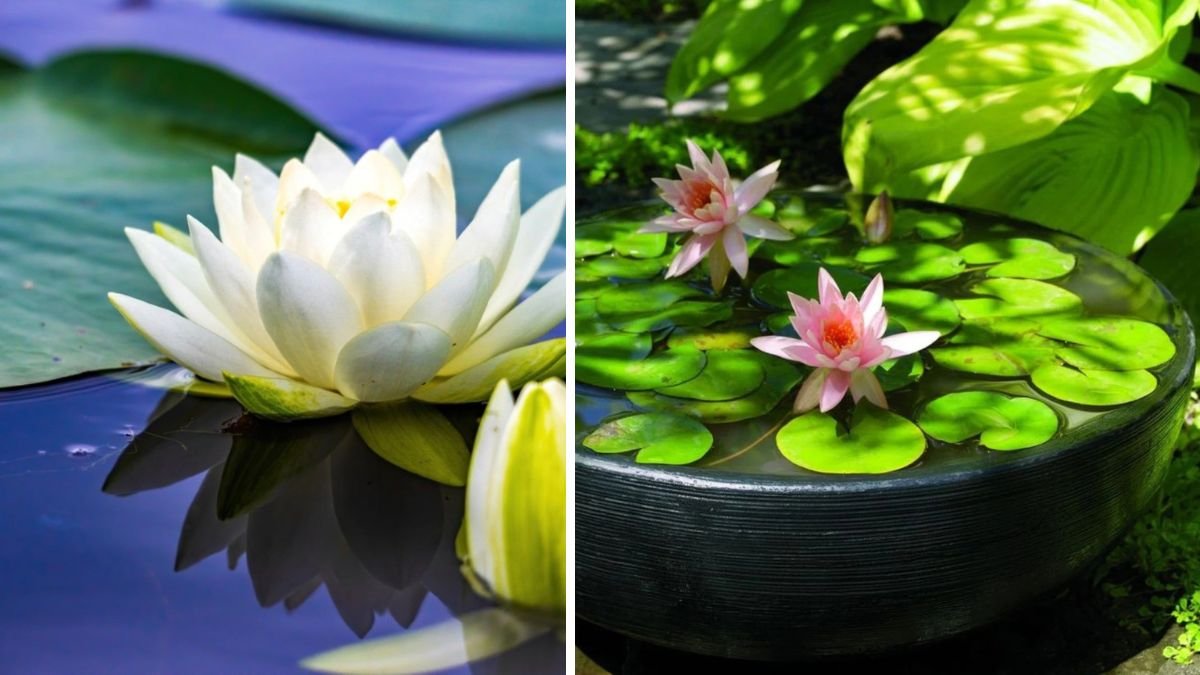
Water lilies are beautiful aquatic plants that can transform a small pond into a serene oasis. Their floating leaves and vibrant flowers not only enhance the aesthetic appeal but also provide habitat and food for various wildlife. However, ensuring the optimal growth of water lilies requires specific conditions and care practices. This article outlines essential tips for fostering healthy water lily growth in your small pond environment.
1. Understanding Water Lily Varieties
Before diving into care practices, it’s crucial to know that water lilies come in various species, primarily divided into two categories: hardy and tropical.
-
Hardy Water Lilies: These are suitable for temperate climates. They can withstand colder temperatures and typically require less maintenance. Varieties like Nymphaea odorata and Nymphaea tetragena are perfect for small ponds.
-
Tropical Water Lilies: These thrive in warmer regions and bloom throughout the year but may not survive frost. Popular tropical varieties include Nymphaea ‘Blue Hawai’i’ and Nymphaea ‘Harmonii’. Select the variety that best suits your climate and pond conditions.
2. Choosing the Right Location in Your Pond
Water lilies require specific environmental conditions for optimal growth. Selecting the right spot in your pond is the first step to success.
Sunlight
Water lilies thrive in full sun, needing at least 6 hours of direct sunlight daily. Choose an area of your pond that receives ample sunlight while ensuring there’s some shade during the hottest parts of the day to protect the plants from excessive heat.
Depth
Water lilies prefer water depths tailored to their growth stages. Generally:
- Hardy varieties: Require 18 to 24 inches of water.
- Tropical varieties: Thrive best at depths of 12 to 24 inches.
Be mindful of potential changes in water levels due to evaporation or rainfall.
Sheltering Movements
Consider placing your water lilies in calm sections of your pond, away from inflow pipes or water features that may create strong currents. This will prevent the lilies from being disturbed and allow for stable growth.
3. Soil Selection and Planting
The right soil is essential for healthy water lily growth. Use a clay-based, loamy soil that retains moisture and is rich in nutrients.
Step-by-step Planting Process
-
Choosing a Container: Select a shallow, wide container with drainage holes. Ensure it’s large enough to give the roots room to grow.
-
Filling the Container: Fill it with a heavy topsoil or aquatic plant soil without additives. Leave a 1-2 inch space at the top for water.
-
Planting the Bulb: Place the water lily bulb horizontally about 2-4 inches below the soil surface. The growing tip should be just below the soil surface.
-
Covering with Gravel (Optional): If you desire, cover the soil with a thin layer of gravel to prevent the soil from clouding the water.
-
Watering: Once planted, submerge the container slowly in the pond, ensuring the water lily is at the appropriate depth.
4. Fertilization
Fertilization is vital for encouraging lush growth and vibrant blooms. Use aquatic plant fertilizers that are specifically designed for water lilies.
Tips for Fertilization
- Type: Use slow-release fertilizer tablets or organic options, placing them in the soil during the growing season, typically in spring.
- Frequency: Fertilize every 4-6 weeks during the growing season, tapering off as fall approaches.
5. Maintaining Water Quality
The health of your water lilies largely depends on maintaining optimal water quality in your pond.
Regular Testing
Monitor your pond’s pH, oxygen levels, and nutrient content regularly. Ideally, keep the pH between 6.5 and 7.5.
Water Changes
Changing a portion of the water occasionally can help remove accumulated toxins and contaminants. Aim for a 10-20% water change once a month, especially in warmer months.
Aeration
Consider adding aerators or water pumps to maintain oxygen levels and circulation, which is crucial for overall pond health.
6. Controlling Algae and Pond Weeds
Algae and unwanted weeds can compete for nutrients and light, inhibiting the growth of water lilies.
Natural Methods
-
Shade: Encourage more water lilies or other surface plants to shade the water surface, limiting algae growth.
-
Beneficial Bacteria: Use beneficial bacteria products that outcompete algae for nutrients.
Manual Removal
Keep an eye out for any invasive species or algae and remove them manually to keep your pond healthy.
7. Winterizing Your Water Lilies
If you live in a region with cold winters, it’s essential to winterize your water lilies properly.
-
Hardy Varieties: Cut back the leaves after the first frost and allow the tubers to settle deeper into the mud. They will enter dormancy and will return when temperatures warm.
-
Tropical Varieties: Bring containers indoors or put them in a heated greenhouse to provide them with warmth.
-
Coverings: Cover your pond with a net or floating material to prevent ice from forming on the surface.
8. Common Pests and Diseases
Keep an eye out for pests such as aphids, snails, or larvae that may harm the water lilies.
Prevention and Treatment
- Natural Predators: Introduce beneficial insects like ladybugs that eat pests.
- Insecticidal Soaps: Use safe, organic insecticides if you notice severe infestations.
9. Harvesting Seeds and Propagation
To propagate your water lilies, collect seeds and start new plants.
Seed Collection Process
-
Timing: Wait until the seeds are mature, which usually occurs several weeks after flowering.
-
Preparation: Harvest seeds when they turn brown and drop them in a shallow container with soil and water.
-
Sprouting: Keep the seeds in a warm area until they sprout. Once established, transplant them into your pond.
10. Enjoying Your Water Lily Garden
After all the care you’ve provided, it’s time to relish the beauty of your water lily garden.
Creating a Viewing Area
Create a small deck or seating area by your pond to enjoy the view. Consider adding other complementary aquatic plants that harmonize with the water lilies.
Photography Opportunities
Capture the stunning blooms and the overall beauty of your pond as a part of your gardening journey. Seasonal changes can provide a different outlook throughout the year.
FAQs
1. How long do water lilies bloom?
Typically, water lilies bloom from late spring to early fall. Some tropical varieties may bloom year-round in warmer climates.
2. How often should I fertilize my water lilies?
Fertilize every 4-6 weeks during the growing season. In winter, do not fertilize as plants go dormant.
3. Can I grow water lilies in a container without a pond?
Yes, many gardeners successfully grow water lilies in large containers or troughs filled with water. Ensure proper depth and sunlight conditions.
4. Why are my water lilies not blooming?
Several factors can affect blooming, including insufficient sunlight, poor water quality, and inadequate fertilization. Adjust these conditions for better results.
5. How deep should I plant my water lily tuber?
Plant hardy water lilies 2-4 inches below the surface, while tropical varieties prefer 12-24 inches of water.
6. Are water lilies safe for fish?
Yes, water lilies can actually provide shade and shelter for pond fish, creating a natural habitat.
7. What should I do if my water lilies are infested with pests?
Treat pests with insecticidal soap or introduce beneficial insects to eat the pests.
8. How can I winterize my water lilies?
Cut back hardy varieties after frost, allowing them to settle deeper, while tropical varieties should be brought indoors.
By following these essential tips, you can create an ideal environment for your water lilies to thrive, enhancing your small pond with beauty and tranquility. Whether you’re a seasoned gardener or a beginner, nurturing these aquatic plants can be a rewarding experience. Enjoy your newfound oasis!