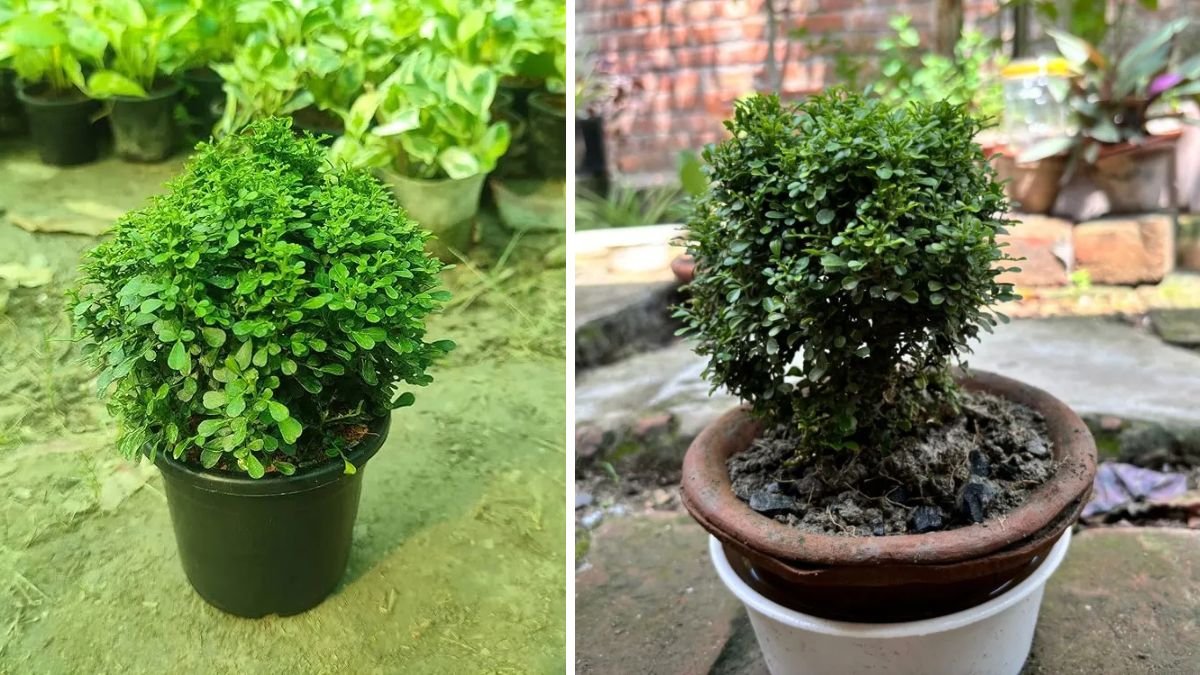
The Kamini plant, scientifically known as Nyctanthes arbor-tristis, is a popular choice for indoor gardening due to its fragrant flowers and lush foliage. Commonly known as the night-flowering jasmine or the coral jasmine, this plant has several benefits, including its aromatic flowers, potential health improvements, and aesthetic appeal. If you’re considering adding Kamini to your indoor garden as a fragrant hedge, this article will provide easy tips and tricks to ensure its healthy growth.
Understanding the Kamini Plant
Before diving into the care and maintenance of the Kamini plant, it’s essential to understand its characteristics:
- Growth Habit: The Kamini plant can grow up to 10 feet tall when cultivated outdoors, but it remains manageable indoors with appropriate pruning.
- Flowers: Its small, white or yellow flowers bloom at night and emit an intense fragrance, making them a favorite among gardeners.
- Leaves: The leaves are dark green, glossy, and can grow up to 3 inches long.
Ideal Conditions for Growing Kamini Indoors
To create the best environment for your Kamini plant, consider these factors:
1. Light Requirements
- Location: The Kamini plant thrives in bright, indirect sunlight. Placing it near a window with filtered light will help it flourish.
- Supplemental Light: If you live in a region with limited sunlight, consider using grow lights for at least 12-14 hours daily.
2. Temperature and Humidity
- Temperature: Kamini prefers temperatures between 65°F to 75°F (18°C to 24°C). It can tolerate slightly cooler temperatures but should be protected from frost.
- Humidity: This plant loves humidity. Aim for a humidity level of 50% or higher. Using a humidifier or placing a tray of water near the plant can help maintain moisture.
3. Soil Requirements
- Soil Type: Use well-draining potting soil enriched with organic matter. A mix of peat, perlite, and compost will work well.
- pH Level: Kamini prefers slightly acidic to neutral soil, with a pH range of 6.0 to 7.0.
4. Watering Needs
- Frequency: Water your Kamini plant deeply when the top inch of the soil feels dry. Depending on your indoor conditions, this may be once a week.
- Drainage: Ensure the pot has drainage holes to prevent waterlogging, which can lead to root rot.
Propagation Tips for Kamini
If you’re interested in expanding your indoor Kamini garden, here are methods to propagate the plant:
1. Stem Cuttings
- Timing: Spring is the best time to take cuttings.
- Process: Cut a healthy stem about 4-6 inches long, remove the lower leaves and place it in water or a pot with soil. Roots should develop within a few weeks.
2. Seeds
- Harvesting: Collect seeds from mature flowers once they have dried.
- Sowing: Plant the seeds in well-draining soil, maintaining moisture. Germination can take several weeks.
Pruning and Maintenance
Regular maintenance ensures your Kamini plant remains healthy and vibrant:
- Pruning: Trim back any leggy growth or dead flowers to promote bushiness. Pruning should ideally be done after flowering.
- Fertilizing: During the growing season (spring and summer), use a balanced, water-soluble fertilizer every 4-6 weeks to provide the necessary nutrients.
- Pest Management: Common pests include aphids and mealybugs. Check the leaves regularly and use insecticidal soap if necessary.
Creating a Fragrant Hedge
Utilizing the Kamini plant as a fragrant hedge involves strategic placement:
- Spacing: Ensure adequate spacing between plants for air circulation. A distance of 2-3 feet will allow each plant to flourish.
- Planting in Groups: Grouping several Kamini plants together enhances their visual impact and fragrance.
- Container Gardens: If you’re limited on space, consider planting Kamini in decorative pots and arranging them in your living space for a fragrant hedge effect.
Benefits of a Kamini Plant
- Air Purification: The Kamini plant can help purify the air, making it a great addition to indoor spaces where air quality is a concern.
- Aromatic Benefits: The nocturnal blooms fill the air with a sweet fragrance, providing a calming and relaxing atmosphere.
- Aesthetic Appeal: With its lush green foliage and beautiful white flowers, Kamini enhances the aesthetic value of any indoor space.
Challenges and Solutions
While Kamini is relatively easy to care for, you may encounter some challenges:
- Yellowing Leaves: This can indicate overwatering or nutrient deficiencies. Adjust watering habits and consider fertilizing if necessary.
- Leggy Growth: If the plant isn’t receiving enough light, it may become leggy. Move it to a brighter location or consider using grow lights.
- Pest Infestations: Keep a close eye on your plant for signs of pests. Regularly check leaves and stems for sticky residue or discoloration.
FAQs about Growing Kamini Indoors
Q1: How often should I water my Kamini plant?
A: Water your Kamini plant when the top inch of the soil feels dry, usually once a week. Ensure the pot has drainage holes.
Q2: Can I grow the Kamini plant in low light?
A: While Kamini prefers bright, indirect light, it can survive in low light conditions but may not flower as abundantly.
Q3: Is Kamini toxic to pets?
A: Kamini is considered non-toxic to pets, but it’s always best to monitor your pets around any houseplant.
Q4: How can I encourage more blooms?
A: Ensure the plant receives adequate light, prune it regularly, and fertilize during the growing season to encourage more flowers.
Q5: Can Kamini be grown in a small pot?
A: Yes, Kamini can be grown in smaller pots, but keep in mind that it may need more frequent watering and will need to be repotted as it grows.
Q6: When is the best time to prune a Kamini plant?
A: Prune your Kamini plant after its flowering season, typically in late fall, to promote bushier growth.
Conclusion
Growing the Kamini plant as a fragrant hedge indoors can bring unparalleled beauty and aroma to your living space. By following the outlined tips and guidelines, you can enjoy the delightful fragrance and aesthetic appeal that this remarkable plant has to offer. Whether used as a solitary statement piece or as part of a grouped display, the Kamini plant is sure to impress and enhance your home environment. Happy gardening!