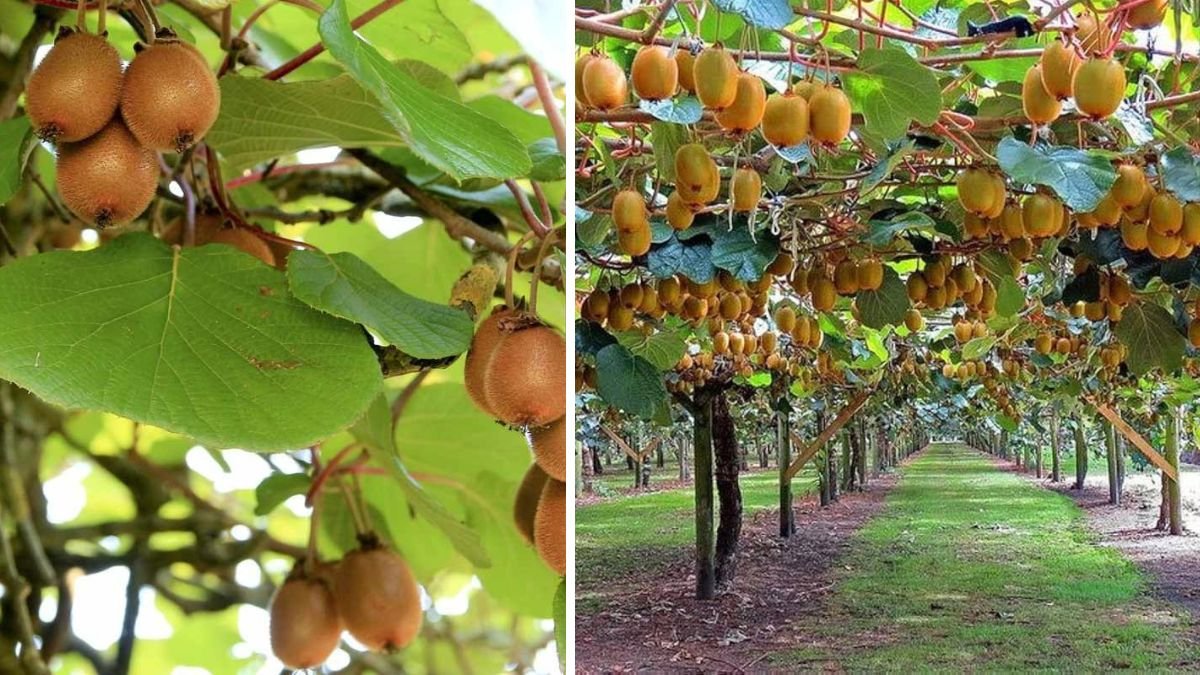
Growing kiwi from seed can be a rewarding and exciting adventure for gardeners at any level. Kiwi, known for its unique taste and high nutritional value, is not only delicious but also adds a tropical flair to your home garden. While it’s easier to grow kiwi from established plants, starting from seed can be an enlightening process. Here’s a comprehensive guide on how to successfully grow kiwi from seed, including simple techniques and essential tips for nurturing your plants to maturity.
Understanding Kiwi Seeds
Before diving into the growing process, it’s crucial to understand the nature of kiwi seeds. Kiwi (Actinidia deliciosa) is a fruit-bearing vine native to China. The seeds are small, black, and packed within the fruit.
Sources for Kiwi Seeds
- From Fruit: Buy ripe kiwis from the grocery store, ensuring they are organic to avoid pesticides that can hinder germination.
- Seed Companies: Purchase seeds from reputable garden stores or online seed companies specializing in kiwi.
Step 1: Preparing the Seeds
Step 1.1: Extracting Seeds
- Cut the Kiwi: Use a clean knife to cut the kiwi in half.
- Scoop the Seeds: Use a spoon to extract the seeds and pulp from the fruit.
- Rinse the Seeds: Place the seeds in a strainer and rinse under cool water to remove the pulp.
- Dry the Seeds: Spread the seeds on paper towels and let them dry for a few hours.
Step 1.2: Stratification
Kiwi seeds benefit from a process called stratification, which mimics natural winter conditions. This step enhances germination rates.
- Combine Seeds and Moisture: Mix the seeds with a small amount of moist peat moss or vermiculite in a plastic bag.
- Refrigerate: Seal the bag and place it in the refrigerator for about 4-6 weeks.
By the end of this period, your seeds should be ready to plant!
Step 2: Choosing the Right Pot and Soil
Step 2.1: Selecting Containers
Choose pots that are at least 4-6 inches deep with good drainage holes. Start with smaller pots or seed trays and transplant them later as they grow.
Step 2.2: Preparing the Soil
Kiwi prefers well-draining, loamy soil rich in organic matter. A good potting mix can be created by mixing:
- 40% potting soil
- 30% perlite or vermiculite
- 30% compost or well-rotted manure
This mixture provides the necessary nutrients and aeration for growing kiwi plants.
Step 3: Sowing Seeds
- Fill the Pots: Fill each pot with the prepared soil mix, leaving about an inch of space at the top.
- Plant the Seeds: Plant 2-3 seeds per pot, burying them about 1/4 inch deep.
- Water: Gently water the soil until moist but not soggy. Ensure the water drains well.
Step 4: Creating the Right Environment
Kiwi seeds require specific conditions for healthy growth.
Step 4.1: Light Conditions
- Location: Place the pots in a warm, sunny spot where they can receive at least 6-8 hours of sunlight daily.
- Grow Lights: If natural light is insufficient, consider using grow lights to provide adequate illumination.
Step 4.2: Temperature and Humidity
- Ideal Temperature: Maintain a temperature between 65°F to 75°F (18°C to 24°C).
- Humidity: To ensure humidity, you can cover the pots with plastic wrap or a clear plastic dome for the first few weeks. However, ensure proper ventilation by removing it periodically.
Step 5: Watering and Care
Step 5.1: Watering
Keep the soil consistently moist but avoid overwatering. Water when the top inch of soil feels dry to the touch.
Step 5.2: Fertilizing
After 3-4 weeks, when seedlings have developed their first true leaves, feed them with a diluted, balanced, water-soluble fertilizer every 2-4 weeks.
Step 6: Transplanting Seedlings
Once the seedlings reach about 4-6 inches in height, they can be transplanted into larger pots or the garden.
- Choose the Right Time: Wait until frost danger has passed in your area.
- Prepare the Garden Bed: Choose a sunny spot with well-draining soil. Amend the soil with compost to enrich it further.
- Transplant Carefully: Gently remove the seedlings from their pots, being careful not to damage the roots. Space them about 4-6 feet apart, as kiwi vines can grow vigorously.
Step 7: Training and Support
As kiwi is a climbing vine, it requires support to grow properly. Here’s how to set it up:
- Install a Trellis: You can use a simple trellis, fence, or any vertical support.
- Guide the Vines: As the plant grows, gently tie the vines to the support using soft ties or garden twine. This helps in training the plant upward and promotes airflow.
Step 8: Maintenance and Care
Step 8.1: Pruning
Regular pruning helps maintain plant health and encourages fruit production. Aim to:
- Prune during the dormant season (late winter/early spring).
- Remove any dead or diseased growth and thin out crowded areas to improve air circulation.
Step 8.2: Pest and Disease Control
Monitor your plants for pests like aphids or spider mites. Utilize organic pesticides or introduce beneficial insects to manage any infestations.
Step 9: Patience and Harvesting
Kiwi plants can take up to 3-5 years to bear fruit, so patience is essential. Once the fruits are about the size of a golf ball and brown, they’re ready to harvest.
Maturity Indicators
- Color: A change in hue from green to brown indicates ripeness.
- Texture: Gently squeeze the fruit; it should yield slightly when ripe.
Conclusion
Congratulations! You’ve now embarked on an exciting journey of growing kiwi from seed. While the process may require time and care, the rewards of enjoying homegrown kiwi are immense. With the right techniques and patience, you can successfully cultivate this remarkable fruit in your home garden.
FAQs
1. Can I grow kiwi indoors?
Yes, kiwi can be grown indoors; however, ensure they receive enough sunlight and warmth. Consider using grow lights during winter months.
2. How long does it take for kiwi seeds to germinate?
Typically, kiwi seeds take around 2-6 weeks to germinate, depending on environmental conditions.
3. Do kiwi plants need male and female to produce fruit?
Yes, kiwi plants are dioecious, meaning that you need at least one male plant to pollinate female plants for fruit production.
4. What are the common pests affecting kiwi plants?
Common pests include aphids, spider mites, and scale insects. Regularly check your plants for signs of infestation.
5. Can I grow kiwi from store-bought kiwis?
Yes, you can grow kiwi from store-bought kiwis, but make sure they are organic to ensure better seed viability.
6. When should I prune my kiwi plants?
Prune kiwi plants in late winter or early spring when they are dormant to promote optimal growth and fruiting.
7. What type of soil is best for growing kiwi?
Kiwi thrives in well-draining, loamy soil that is rich in organic matter.
By following this guide, you’ll not only gain valuable gardening experience but also enjoy the sweet reward of home-grown kiwi! Happy gardening!