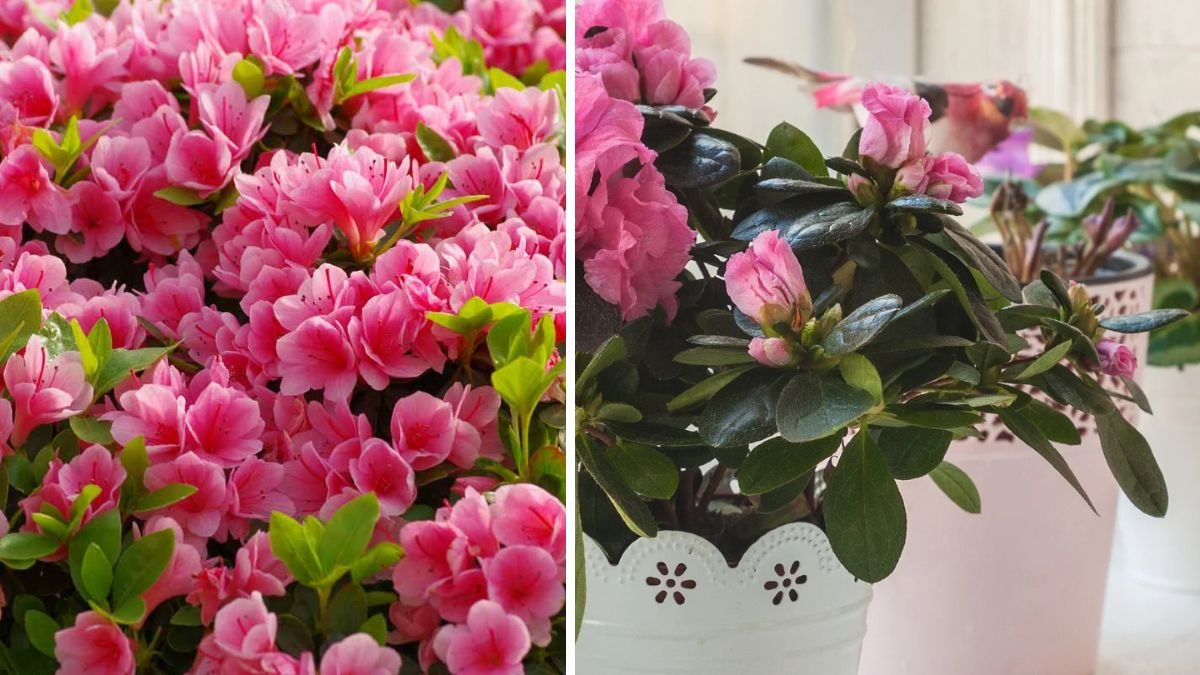
Azaleas are a beloved choice among indoor gardeners due to their stunning, vibrant blooms and variety. While they are typically associated with outdoor gardens, it’s entirely feasible to cultivate these stunning plants indoors. However, one major concern for many indoor gardeners is preventing leaf drop, which can often occur due to environmental stress or improper care. This article will provide an in-depth look at how to successfully grow azaleas indoors while maintaining their health and preventing leaf drop.
Understanding Azaleas
Azaleas belong to the Rhododendron genus, with over 800 varieties. Known for their beautiful flowers, azaleas can bloom in a variety of colors, including pink, red, white, and purple. While many azaleas thrive outdoors, they can also adapt well to indoor conditions with the right care.
The Ideal Growing Conditions
1. Light Requirements
Azaleas prefer bright, indirect light. Direct sunlight can scorch their leaves, leading to stress and eventual leaf drop.
- Best Practices: Place your azalea near a north or east-facing window, where the light is bright but filtered. If you notice the plant stretching toward the light, it may need a more optimal position.
2. Temperature
Temperature plays a pivotal role in the overall health of azaleas.
- Ideal Range: They thrive in cooler temperatures, ideally between 60-68°F (15-20°C) during the day, and slightly cooler at night.
- Avoiding Temperature Stress: Keep azaleas away from drafts, heating vents, or air conditioning units to prevent sudden temperature fluctuations.
3. Humidity
Azaleas enjoy high humidity levels, which can be challenging in many indoor environments.
- Humidity Tips: Aim for a humidity level of 40-60%. One way to achieve this is by placing a humidifier nearby or using a pebble tray filled with water.
Soil and Potting
1. Soil Type
The right soil is crucial for azaleas. They prefer an acidic potting mix.
- Recommended Mix: A mix designed for acid-loving plants is ideal. You can create your own with equal parts of peat moss, pine bark, and perlite.
2. Pot Selection
Choose a pot with drainage holes to prevent root rot.
- Container Size: Select a pot that is 1-2 inches larger in diameter than the current pot. This will give the roots room to grow without overwhelming the plant with too much soil.
Watering Techniques
1. Watering Frequency
Overwatering or underwatering can lead to leaf drop.
- Best Practices: Water the azalea when the top inch of soil feels dry. Water thoroughly, allowing excess water to drain out.
2. Water Quality
The quality of the water used is also important, as azaleas are sensitive to chemicals commonly found in tap water.
- Water Types: Use distilled water, rainwater, or water that has been left to sit out overnight to allow chemicals to evaporate.
Fertilization
Proper fertilization supports healthy growth and flowering.
1. Type of Fertilizer
Azaleas benefit from a balanced, water-soluble fertilizer designed for acid-loving plants.
- When to Fertilize: Start fertilizing in early spring as growth begins and continue every 4-6 weeks until late summer. Cease fertilization in the fall and winter months.
Pruning and Maintenance
1. Pruning Techniques
Pruning azaleas helps promote bushier growth and can encourage more blooms.
- Best Practices: Lightly prune after flowering to shape the plant and remove any dead or unwanted branches.
2. Pest Management
Regularly check for common pests such as spider mites and aphids that may cause stress to the plant.
- Preventive Measures: Maintain cleanliness by wiping down leaves and using an insecticidal soap as needed.
Preventing Leaf Drop
While a bit of leaf drop is normal, significant loss can indicate an issue. Here are key strategies to prevent it:
1. Monitor Environmental Factors
As discussed earlier, factors like light, temperature, and humidity have a direct impact on leaf health.
2. Avoid Stressful Situations
When moving your azalea or adjusting care, do so gradually. Sudden changes can shock the plant and lead to leaf drop.
3. Check for Diseases
Leaf drop can also indicate diseases such as root rot or leaf blight; thus, always inspect your plant for signs of illness.
Dealing with Leaf Drop
If you do notice leaf drop, it’s essential to act quickly.
- Evaluate Conditions: Assess environmental factors and adjust care if needed.
- Check Roots: If the plant appears to be suffering, gently remove it from the pot to assess the roots.
- Repot if Necessary: If the roots are rotted, prune away the unhealthy root parts and repot in fresh soil.
Conclusion
Growing azaleas indoors can be a rewarding experience. By understanding their specific needs and taking proactive measures to create a suitable environment, you can enjoy the vibrant blooms of this stunning plant while minimizing the risk of leaf drop. Regular monitoring and care will ensure that your azalea thrives, allowing you to enjoy its beauty for years to come.
FAQs
1. How often should I water my indoor azalea?
Water your azalea when the top inch of soil feels dry. This usually translates to watering every 5-10 days, depending on the humidity and temperature.
2. Why are the leaves of my azalea turning yellow?
Yellowing leaves may indicate overwatering or poor drainage. Check the soil moisture and ensure your pot has proper drainage.
3. When do azaleas typically bloom?
Indoor azaleas can bloom at various times, but many varieties bloom in the early spring. With proper care, some can bloom multiple times a year.
4. Can azaleas survive in low light conditions?
While they can tolerate lower light conditions, azaleas thrive in bright, indirect light. Insufficient light can lead to leggy growth and poor blooming.
5. How can I increase humidity around my azalea?
You can increase humidity by using a pebble tray with water or a humidifier. Regular misting of the leaves can also help, though it should not replace adequate humidity.
6. Is it necessary to fertilize azaleas?
Yes, fertilizing azaleas is important to support healthy growth and blooming. Use a fertilizer designed for acid-loving plants during the growing season.
7. What pests should I watch for on my indoor azalea?
Common pests include spider mites, aphids, and whiteflies. Regularly inspect your plant and treat any infestations promptly with insecticidal soap.
By following these guidelines and understanding the specific needs of azaleas, you can create an indoor garden that flourishes, bringing beauty and joy into your home.