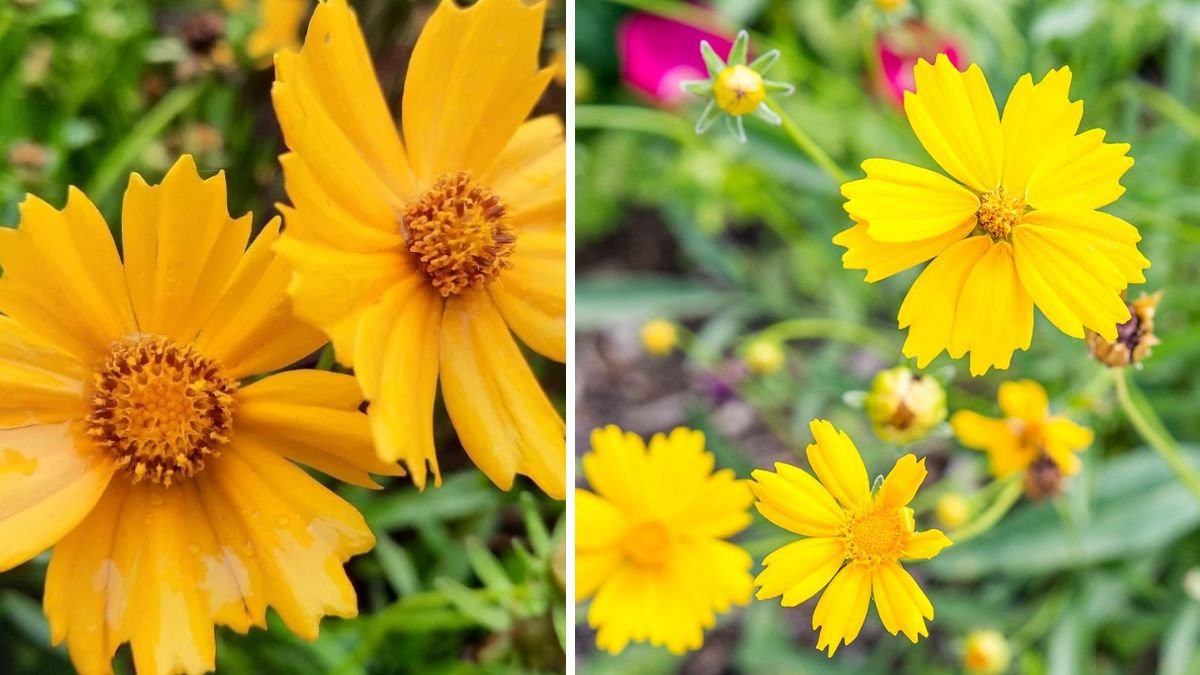
Creating a vibrant summer garden often begins with the selection of the right flowers, and one plant that deserves a place in your garden is the Coreopsis. Known for their sunny disposition and hardy nature, Coreopsis flowers can add a splash of color and vitality to any landscape. This ultimate guide will walk you through everything you need to know about growing lush Coreopsis flowers, ensuring your garden is a blooming success.
What is Coreopsis?
Coreopsis, commonly known as tickseed, belongs to the family Asteraceae. This perennial flower is recognized for its daisy-like yellow blooms, although some varieties can produce pink, red, or bi-colored flowers. The plant is native to North America and is prized for its long blooming period, ranging from late spring into early fall, making it a staple in many summer gardens.
Types of Coreopsis
While there are numerous varieties of Coreopsis, here are some favorites that you might consider for your garden:
-
Coreopsis grandiflora: Known as the large-flowered tickseed, this variety features golden-yellow blooms and is one of the showiest.
-
Coreopsis verticillata: Also called threadleaf coreopsis, it has fine, delicate foliage and produces clusters of bright yellow flowers.
-
Coreopsis ‘Moonbeam’: A popular cultivar, ‘Moonbeam’ has pale yellow flowers and a soft, airy appearance, making it perfect for borders.
-
Coreopsis ‘Zagreb’: This variety is compact and produces bright yellow flowers, excellent for smaller gardens or containers.
-
Coreopsis rosea: Known for its pink flowers, this variety adds a beautiful contrast to the typical yellow blooms.
Benefits of Growing Coreopsis
-
Drought-Tolerant: Once established, Coreopsis plants thrive in dry conditions, making them an ideal choice for low-maintenance gardens.
-
Pollinator-Friendly: Their vibrant flowers attract bees, butterflies, and other beneficial insects, supporting local ecosystems.
-
Long Blooming Period: With proper care, Coreopsis can produce flowers from late spring through fall, ensuring continuous color in your garden.
-
Versatile: Coreopsis can be grown in various settings, including borders, meadows, and containers, enhancing the beauty of any space.
Growing Conditions for Coreopsis
Sunlight
Coreopsis loves the sun! Aim for at least 6 to 8 hours of full sunlight daily for optimal growth and blooming. Insufficient sunlight can lead to leggy plants and fewer flowers.
Soil Requirements
These plants are not picky about soil types, but they thrive in well-drained soil. Sandy or loamy soils with a pH of 6.0 to 7.0 work best. Avoid heavy clay or overly compacted soil, as it can lead to root rot.
Watering
Though Coreopsis is drought-resistant, they still need adequate watering during their establishment phase. Water them regularly until they are well-established, usually within the first month. Afterward, allow the soil to dry out between watering sessions.
Fertilization
Coreopsis doesn’t require heavy fertilization. A light application of a balanced, slow-release fertilizer in spring can be beneficial, but be cautious not to over-fertile, as this can lead to fewer flowers and more foliage.
Planting Coreopsis
When to Plant
The best time to plant Coreopsis is in the spring after the last frost or in the fall. Spring planting allows the plants to establish themselves before the heat of summer sets in.
How to Plant
-
Choose Your Location: Select a sunny spot in your garden with well-drained soil.
-
Prepare the Soil: Cultivate the soil and amend it with compost or well-rotted manure to improve drainage.
-
Dig the Holes: Dig holes that are slightly larger than the root ball of your Coreopsis plants.
-
Planting: Place the plant in the hole, ensuring the crown is level with the soil surface. Fill in with soil and gently pat down.
-
Watering: Give the newly planted Coreopsis a thorough watering to settle the soil.
Caring for Coreopsis
Pruning
To keep your Coreopsis looking its best, prune spent flowers regularly. Deadheading encourages more blooms and helps maintain a tidy appearance.
Pest and Disease Management
Coreopsis flowers are relatively pest-resistant. However, keep an eye out for aphids and spider mites. If you encounter these pests, treat them with insecticidal soap or neem oil.
Fungal diseases, such as powdery mildew, can occur in humid environments. Ensure good air circulation around your plants and avoid overhead watering to minimize this issue.
Winter Care
In regions with harsh winters, mulch around the base of the plants to protect them from freezing temperatures. In milder climates, Coreopsis usually requires little winter protection.
Propagation of Coreopsis
Coreopsis can be propagated by dividing established clumps in early spring or by collecting seeds after flowering. To divide, carefully dig up the clump and separate it into several sections with a spade. Replant each section in a prepared location.
Companion Plants
Coreopsis pairs beautifully with other summer-blooming perennials, such as:
- Echinacea (Coneflower): Their tall structure and vibrant colors complement Coreopsis wonderfully.
- Rudbeckia (Black-Eyed Susan): These flowers bloom around the same time and add a different texture to your garden.
- Salvia: The height of salvia works well with the compact nature of many Coreopsis varieties.
- Catmint: This aromatic herb offers a fragrant addition to any flower bed.
Design Tips for Your Coreopsis Garden
-
Layers: Utilize Coreopsis as a foreground plant and combine them with taller perennials in the back for a layered look.
-
Seasonal Interest: Plant different varieties of Coreopsis for prolonged blooming and visual diversity throughout the season.
-
Color Themes: Mix and match yellow varieties with contrasting colors like purple, pink, or white for a dynamic and vibrant garden.
-
Containers: Consider planting Coreopsis in beautiful pots on patios or walkways for an instant pop of color.
FAQs
1. How much sunlight do Coreopsis plants need?
Coreopsis plants thrive in full sun and require at least 6 to 8 hours of sunlight daily.
2. Are Coreopsis flowers deer-resistant?
Yes, Coreopsis is generally considered deer-resistant due to its aromatic foliage.
3. Can I grow Coreopsis in containers?
Absolutely! Coreopsis grows well in containers, but ensure that the pots have drainage holes and are placed in a sunny location.
4. How often should I water Coreopsis?
Water Coreopsis regularly during its establishment phase, then allow the soil to dry out between waterings once established.
5. Do Coreopsis flowers attract pollinators?
Yes, Coreopsis flowers are excellent for attracting bees, butterflies, and other beneficial insects.
6. Can I propagate Coreopsis from seeds?
Yes, Coreopsis can be propagated from seeds, but dividing established plants is often easier and faster.
7. What should I do if my Coreopsis has powdery mildew?
To prevent powdery mildew, ensure good air circulation and avoid watering overhead. If infected, treat with neem oil or fungicide.
Conclusion
Growing Coreopsis flowers is a delightful way to enhance the beauty of your summer garden. With their vibrant colors, low maintenance, and pollinator-friendly nature, these hardy perennials are sure to bring joy to you and your garden visitors alike. Armed with the knowledge from this guide, you will be well-prepared to cultivate a lush, blooming paradise with Coreopsis flowers at its heart. Happy gardening!