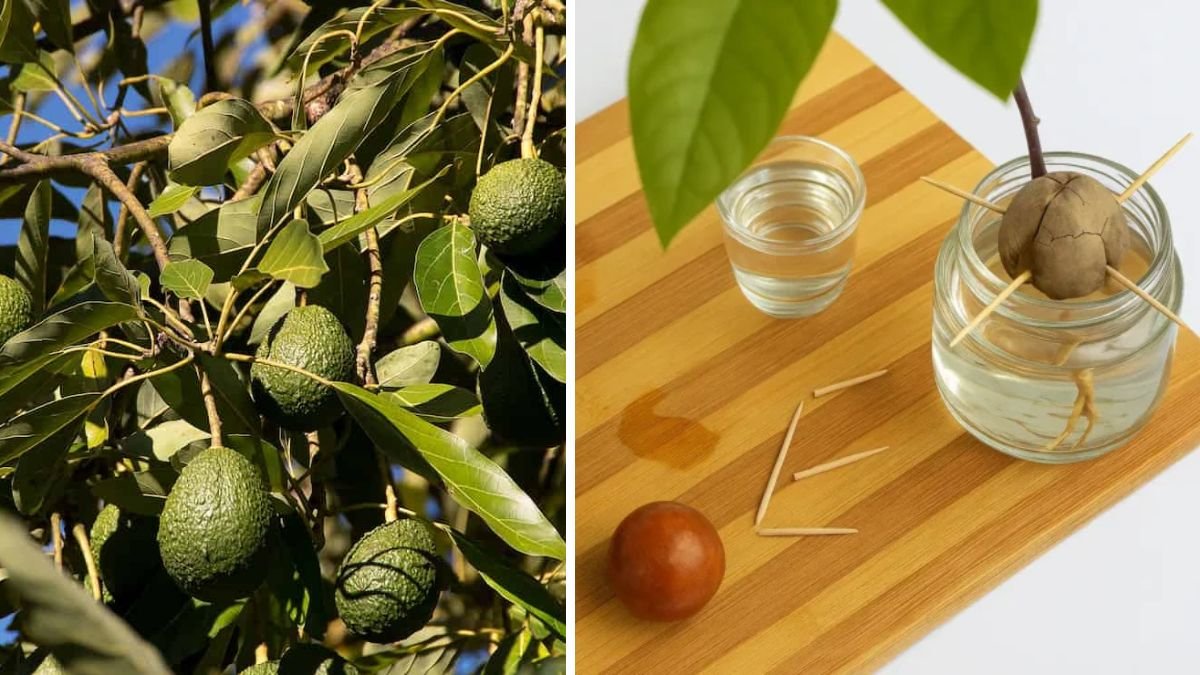
Avocado (Persea americana) is more than just a trendy addition to your brunch; it’s a nutritious fruit packed with healthy fats, fiber, and a tasty flavor. However, many people who are keen to grow their own avocados may feel that they don’t have the space or resources for a traditional garden. Fear not—avocado trees can flourish in containers on your balcony! This guide will explore everything you need to know to cultivate your very own avocado plant in a limited space, from choosing the right varieties to expert care tips.
Getting Started: Choosing the Right Avocado Variety
When it comes to container gardening, not all avocado varieties are created equal. The two most popular varieties for home gardening are:
-
Hass Avocado: The most commonly grown avocado, it has a creamy texture and a rich flavor. The Hass tree is compact and therefore ideal for container gardening.
-
Bacon Avocado: This variety has a smooth skin and a milder flavor. It’s known for being hardier than other types and can tolerate cooler temperatures.
For balcony gardening, opt for dwarf varieties specifically bred for container growth, like the Little Cutie or Wurtz avocado tree. These trees typically grow to about 3 feet tall, making them manageable in limited spaces.
Container Selection: What You Need
The type of container you choose can make a significant difference in your avocado plant’s health. Here’s what to consider:
-
Size: Start with a minimum of a 10-gallon container. This size allows roots to grow without becoming root-bound. Over time, you may need to transfer your avocado to a larger pot as it grows.
-
Material: Plastic, ceramic, or terra cotta pots work well. Ensure they have adequate drainage holes to prevent root rot.
-
Mobility: If your balcony is exposed to varying light conditions or harsh weather, consider using pots with wheels or light materials for easy relocation.
Soil Matters: Choosing the Right Medium
The right soil is crucial for healthy avocado growth. Here’s what you need:
-
Drainage: Avocados dislike soggy roots. Use a potting mix specifically designed for container gardening, preferably one that includes sand or perlite for increased drainage.
-
pH Level: Aim for a slightly acidic to neutral pH (6.0 to 7.0). You can test the pH level of your potting soil using a testing kit.
-
Nutrients: Avocado trees require a balanced fertilizer for optimal growth. Look for a fertilizer specifically formulated for fruit trees.
Planting Your Avocado Tree
Once you’ve gathered your supplies, it’s time to plant your avocado tree:
-
Prepare the Soil: Mix your potting medium with compost to enrich it, ensuring good drainage and nutrients.
-
Transplanting: If you’re starting from a seed, you can place the seed in a glass of water until it roots, or plant it directly in the soil. If you’re using a nursery-bought tree, remove it gently from its original pot and place it in your prepared container.
-
Watering: After planting, water your avocado tree thoroughly, ensuring that excess water drains out of the container.
-
Placement: Position the pot in a spot that receives at least six hours of sunlight daily. Avocado trees thrive in bright, indirect sunlight.
Care Routine: Watering, Sunlight, and Fertilizing
Taking care of an avocado tree in a container is manageable if you follow these steps:
Watering
-
Frequency: Water your avocado tree when the top inch of the soil feels dry. Depending on the season and climate, this might be once a week or more frequently in hot conditions.
-
Method: Water deeply until you see drainage from the bottom of the pot. This encourages deeper root growth.
Sunlight
-
Exposure: Avocado trees need full sun for at least six hours a day. Track the sun patterns on your balcony to ensure your tree gets adequate light.
-
Rotation: If your balcony position shifts sunlight during the day, rotate your pot periodically for even growth.
Fertilization
-
Schedule: During the growing season (spring and summer), fertilize every month with a balanced fertilizer. Reduce feeding in fall and winter when growth slows down.
-
Signs: Yellowing leaves might indicate a nutrient deficiency, while burnt edges may signal over-fertilizing. Adjust your regimen accordingly.
Pruning and Harvesting
Pruning your avocado tree ensures that it remains healthy and manageable in size:
-
When to Prune: Ideally in early spring before new growth begins, trim back any excess growth to promote bushiness and light penetration.
-
Harvesting: Depending on the variety and age of the tree, expect about 3-4 years for the first fruits to appear if grown from a seed. When harvesting, pick fruit based on maturity; avocados ripen off the tree.
Pest Control and Problem-Solving
Container-grown avocado trees can be susceptible to pests and diseases:
-
Common Pests: Watch for aphids, spider mites, and whiteflies. Use insecticidal soap or neem oil for treatment.
-
Diseases: Root rot can occur if the soil is too wet. Ensure proper drainage and avoid over-watering.
Monitor your plant regularly for signs of stress. Early detection is key to managing any issues that arise.
Seasonal Care Tips
Growing avocados on your balcony requires different care strategies depending on the season:
Spring and Summer
- Water more frequently during hot weather and increase fertilization as growth accelerates.
Fall
- Prepare for cooler temperatures. You may need to bring containers indoors if the temperature drops below 50°F (10°C).
Winter
- Avocado trees are sensitive to frost. If you’re in a cooler climate, keep your tree indoors near a sunny window.
Additional Tips for Success
-
Companion Planting: Consider planting herbs like basil or cilantro alongside your avocado. They can deter pests and enhance your gardening experience.
-
Pollination: Most avocado trees are self-pollinating, but having more than one tree can increase fruit yield. If you have space, consider planting a second variety!
-
Patience is Key: Remember that growing avocados is a rewarding but slow process, requiring patience and care. Enjoy every stage of growth.
FAQs
1. How long does it take for an avocado tree to bear fruit?
Typically, it takes about three to four years for a grafted avocado tree to bear fruit and up to 13 years for a tree grown from seed.
2. Can I grow avocados indoors?
Yes, you can grow avocados indoors! Just make sure to provide plenty of light and maintain a warm environment.
3. What is the best fertilizer for avocado trees?
A balanced fertilizer meant for fruit trees is ideal. Look for one with equal ratios of nitrogen, phosphorus, and potassium (e.g., 10-10-10).
4. How do I know when my avocados are ripe?
Avocados do not ripen on the tree. Instead, they will soften a few days after being picked. A ripe avocado will yield slightly to gentle pressure.
5. Do avocado trees need a lot of water?
While avocado trees require regular watering, they do not like to sit in wet soil. The key is to find a balance, allowing the topsoil to dry out between waterings.
6. Can avocados be grown from the seed?
Yes, you can grow avocados from seed, but it takes longer to produce fruit. For quicker results, purchase a grafted young tree from a nursery.
By following this comprehensive guide, you’ll be well on your way to successfully growing avocados on your balcony! Whether you’re sipping avocado toast or blending smoothies, the fruits of your labor will surely delight you and your loved ones. Happy gardening!