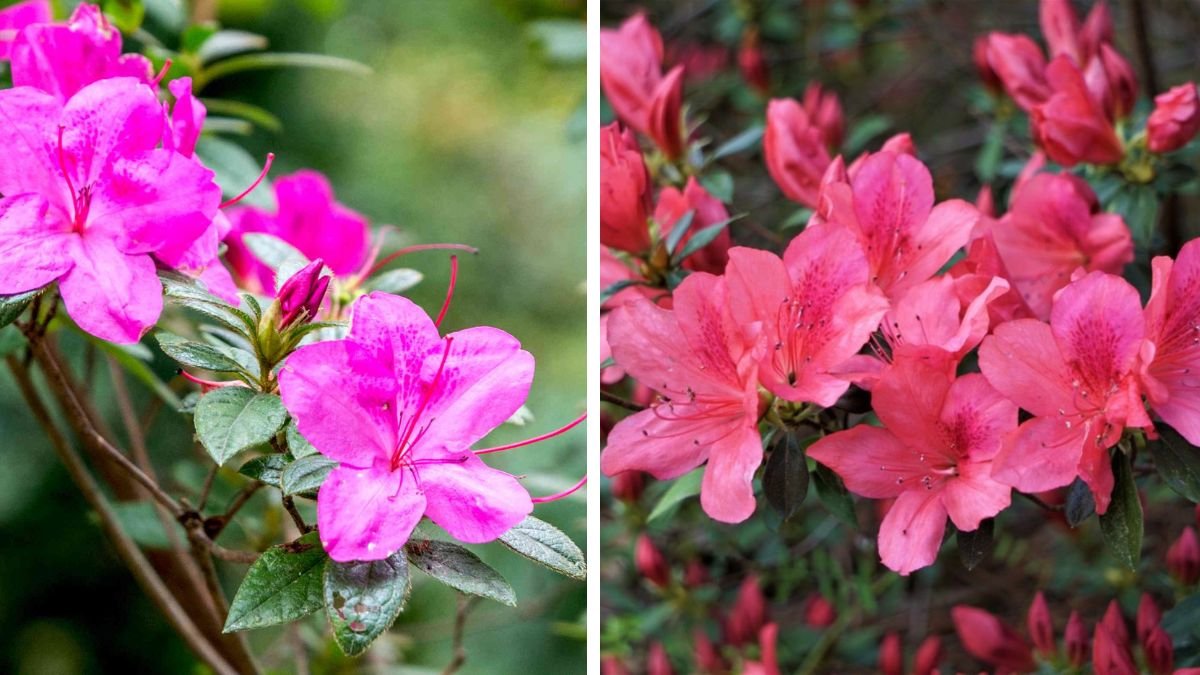
Growing azaleas in cool climate gardens can be a fulfilling and rewarding gardening endeavor. These stunning flowering shrubs belong to the Rhododendron genus and are celebrated for their vibrant blooms and graceful foliage. They are particularly popular in cooler regions, where their colorful displays can be enjoyed in spring and sometimes even in autumn. This guide will equip you with essential knowledge on how to successfully cultivate azaleas, ensuring vibrant blooms year-round in cool climates.
Understanding Azaleas
Types of Azaleas
Azaleas can be broadly categorized into two main types: deciduous and evergreen.
-
Deciduous Azaleas: These azaleas shed their leaves in the fall. They often produce larger flowers and tend to be more fragrant. Common varieties include the native Azalea and several hybrids.
-
Evergreen Azaleas: These retain their leaves throughout the year and are commonly found in cool climate gardens. They are prized for their consistent foliage and vibrant spring blossoms. Popular varieties include Kurume and Mollis azaleas.
Hardiness Zones
Azaleas thrive in USDA Hardiness Zones 4 through 8, making them well-suited for many cool climate gardens. Always choose varieties that match your specific region’s climate conditions.
Growing Conditions for Azaleas
Soil Requirements
Azaleas prefer well-draining, acidic soils with a pH level of 5.5 to 6.0. Heavy, alkaline, or clay soils can hinder their growth and lead to root rot. Consider the following steps to prepare the ideal planting medium:
- Testing Soil pH: Test your soil using a home testing kit to determine its acidity.
- Amending Soil: If your soil is not acidic enough, amend it with organic matter like peat moss or pine needles to lower the pH and enhance drainage.
Sunlight Requirements
Light Needs: Azaleas thrive in dappled sunlight or partial shade. While some varieties can tolerate full sun, too much exposure may scorch the leaves.
Placement: It’s essential to plant azaleas in a location that receives morning sun but is sheltered during the hottest part of the day. This will help prevent leaf burn and promote healthy growth.
Watering
Azaleas require consistent moisture but dislike soggy conditions. Here are some watering guidelines:
- Initial Planting: Water deeply upon planting to establish roots effectively.
- Regular Watering: During dry spells, ensure they receive at least one inch of water weekly.
- Mulching: Apply a layer of mulch around the base to retain moisture and regulate soil temperature.
Planting Azaleas
Timing
The best time to plant azaleas in cooler climates is in early spring or early fall. This timing allows the plants to establish roots before extreme weather conditions take effect.
Planting Steps
- Choose the Right Location: Select a spot that fits the light and soil requirements outlined above.
- Digging the Hole: Dig a hole twice the width and the same depth as the root ball.
- Positioning the Plant: Place the azalea in the center of the hole. Make sure the crown is level with the surrounding soil.
- Backfilling: Fill the hole with the amended soil and water well.
Spacing: When planting multiple azaleas, space them about 2 to 4 feet apart, depending on the mature size of the variety.
Fertilization
Azaleas benefit from a slow-release, acid-loving plant fertilizer. Fertilize in early spring and consider a second application in the early summer. Avoid over-fertilizing as it can lead to excessive foliage with fewer blooms.
Caring for Azaleas Year-Round
Pruning
Pruning azaleas is essential for maintaining their shape, health, and promoting blooms. Here’s how to do it:
- Timing: Prune right after flowering in the spring to encourage new growth before blooming next year.
- Method: Remove dead or damaged branches. Thin out the center to improve airflow and sunlight exposure.
Pest and Disease Management
Azaleas are relatively resistant to pests but can be susceptible to issues such as:
- Aphids: Small insects that may damage leaves. Control with insecticidal soap.
- Leaf Spot and Powdery Mildew: Fungal diseases that can be treated with appropriate fungicides. Ensure good air circulation to minimize risks.
Winter Care
In harsh climates, winter protection is crucial:
- Mulching: Apply a thick layer of mulch (about 3 inches) around the base to insulate roots.
- Covering: Consider burlap wraps or natural windbreaks for young azaleas in exposed areas.
Blooming Cycle
- Spring Blooms: Expect vibrant blossoms during late spring. Evergreen varieties bloom later than deciduous.
- Fall Color: Some azaleas may showcase stunning foliage in the fall, adding visual interest even after flowers fade.
Creating a Vibrant Garden
Companion Plants
Azaleas pair well with other shade-loving plants. Consider planting alongside:
- Hostas: For lush green foliage.
- Ferns: To create a woodland feel.
- Spring Bulbs: Such as daffodils and tulips, for a colorful display.
Design Tips
- Grouping: Plant in clusters for a more dramatic effect.
- Height Variation: Mix different varieties to play with height and texture.
- Layering: Use azaleas as a backdrop to taller shrubs or as fillers in garden beds.
FAQs About Growing Azaleas in Cool Climates
1. Can azaleas survive heavy frost?
Yes, azaleas are generally hardy and can survive frost, especially evergreen varieties. However, it’s advisable to protect them during extreme weather.
2. How often should I water my azaleas?
Water azaleas weekly, ensuring they receive at least one inch of moisture, especially during dry spells.
3. Why aren’t my azaleas blooming?
Lack of blooms can result from improper light exposure, poor soil conditions, or insufficient pruning. Ensure adequate sunlight and regular care.
4. Can I grow azaleas in containers?
Yes, azaleas grow well in containers, providing they are given enough room for root development and the pot has drainage holes. Acidic potting soil is crucial.
5. What are some common pests that affect azaleas?
Common pests include aphids, spider mites, and lace bugs. Regular inspections can help identify and control infestations early.
6. When should I fertilize my azaleas?
Fertilize in early spring after the last frost, and consider a second feeding in early summer to promote blooms.
Conclusion
Growing azaleas in cool climate gardens can transform your outdoor space into a vibrant sanctuary. With careful attention to soil requirements, watering practices, and proper care tips, you can enjoy their breathtaking blooms year after year. Whether you’re planting a collection for a stunning display or incorporating a few into existing beds, azaleas are sure to enhance your garden’s beauty and diversity. With this guide, you are well-equipped to nurture these magnificent shrubs for years to come. Happy gardening!