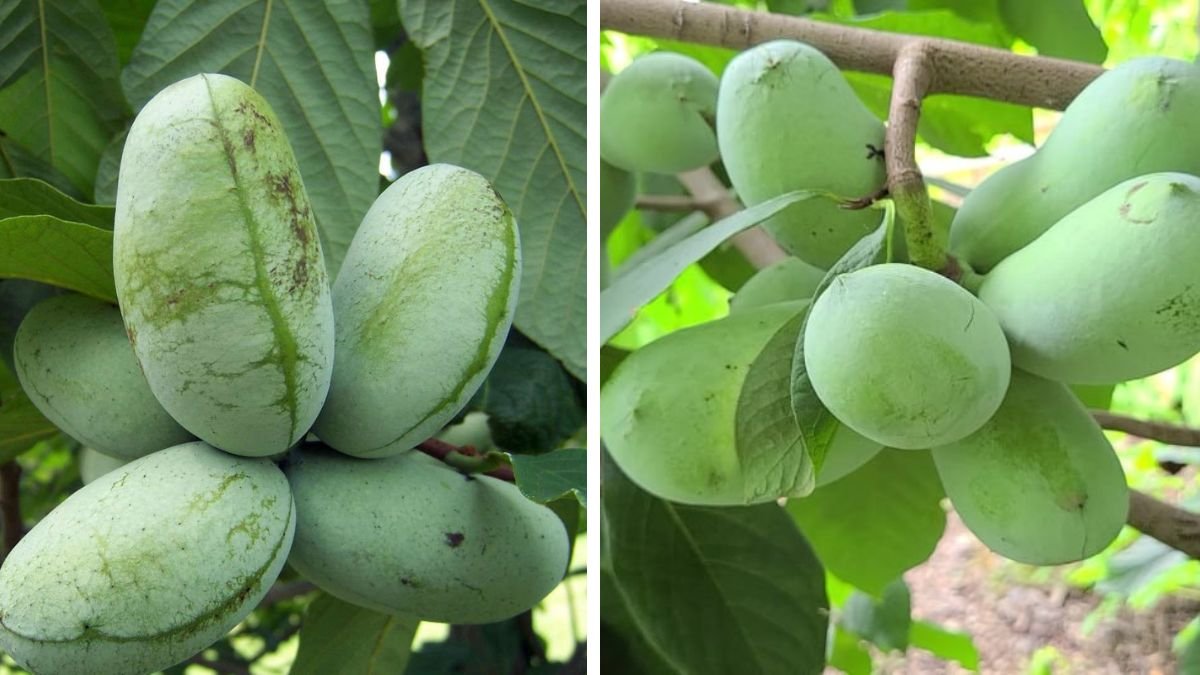
Pawpaw trees (Asimina triloba) are North America’s largest native fruit and have recently gained attention for their exotic flavor and nutritional benefits. However, cultivating these trees in northern climates presents unique challenges that require tailored techniques. This article explores optimal cultivation methods for achieving maximum yield, focusing on site selection, soil preparation, watering, pest management, and harvest practices.
Understanding Pawpaw Trees
Before diving into cultivation practices, it’s essential to understand pawpaw trees. They thrive in USDA hardiness zones 5-8, making them suitable for many northern climates. Pawpaw trees not only yield delightful, custard-like fruits but also require specific conditions for optimal growth. These trees prefer a temperate climate, rich soil, and adequate moisture, but they have a relatively high drought tolerance once established.
Site Selection
1. Sunlight Requirements
To achieve maximum yield, site selection is crucial. Pawpaw trees require full sun to partial shade, with a minimum of 4-6 hours of direct sunlight daily. Northern climates can make this challenging, as reduced sunlight during winter and early spring can inhibit growth. Choose a location that receives ample sunlight, ideally a south- or west-facing slope, to maximize exposure.
2. Wind Protection
Pawpaw trees are relatively susceptible to winter winds, which can damage buds. Selecting a site with natural windbreaks such as hedges or nearby structures can significantly improve tree health. If natural windbreaks are unavailable, consider planting a row of deciduous trees to protect your pawpaws.
3. Accessibility
Pawpaw trees can grow to 15-30 feet tall, making accessibility another important factor. If you’re planning to harvest fruit, choose a site that allows easy access for maintenance and harvesting without the need for ladders.
Soil Preparation
1. Soil Type
Pawpaw trees prefer well-drained, loamy soil rich in organic matter. Sandy soils may work with appropriate amendments, but heavy clay should be avoided. Conduct a soil test before planting to determine pH and nutrient levels. Ideal soil pH ranges from 6.0 to 7.0.
2. Amendments
To create an ideal environment for your pawpaw trees, amend your soil as necessary. Incorporate organic materials such as compost, well-rotted manure, or leaf mold to improve soil structure and nutrient content. For soils high in clay, adding coarse sand can help with drainage.
3. Planting Techniques
Proper planting techniques can enhance the initial growth rate and overall health of the tree. Dig a hole that is twice as wide and as deep as the root ball. Place the tree in the center, ensuring the crown is level with the surrounding soil. Gently backfill, making sure to eliminate air pockets. Water thoroughly after planting.
Watering Requirements
1. Initial Watering
Pawpaw trees have shallow root systems, making them vulnerable to drought, especially during the first few years. After planting, water the trees deeply once a week during the first growing season. A good rule of thumb is to provide around 1-2 inches of water weekly.
2. Established Trees
Once established, pawpaw trees can tolerate brief periods of drought. However, consistent moisture is still essential during fruit development to promote size and flavor. Monitor the soil moisture weekly; if the top 1-2 inches feel dry to the touch, it’s time to water.
3. Mulching
Mulching is an effective practice to retain soil moisture, suppress weeds, and gradually add organic material as it breaks down. Use a 3-4 inch layer of organic mulch around the base, but avoid piling it against the trunk to prevent rot.
Fertilization Strategies
1. Nutrient Needs
Pawpaw trees require adequate nutrients to grow and produce fruit. A balanced approach, using a slow-release fertilizer, can offer the necessary nutrients without overwhelming the trees. Look for fertilizers with a ratio of 10-10-10 or similar.
2. Timing
The best time to fertilize pawpaw trees is in early spring just before the growing season begins. A second application can be made in mid-summer, especially if leaves appear pale green or if growth seems stunted.
3. Foliar Feeding
In addition to soil fertilization, consider foliar feeding with liquid seaweed or fish emulsion during the growing season. This method can provide a quick nutrient boost, particularly during critical growth stages.
Pest and Disease Management
1. Common Pests
While pawpaw trees are relatively pest-resistant, they can still attract a few nuisances:
- Aphids: Small, sap-sucking insects that can weaken the plant. Introduce natural predators like ladybugs or hand-remove.
- Caterpillars: Certain species may feed on the leaves. Hand-picking can be effective or use organic insecticides if necessary.
2. Fungal Issues
Pawpaw trees are susceptible to a few fungal diseases, including powdery mildew. Good air circulation and proper spacing can help reduce the incidence of these diseases. If problems arise, apply an organic fungicide as a preventive measure.
3. Assessing Health
Regularly inspect your trees for signs of distress, such as discoloration or wilting leaves. Early detection can lead to effective management strategies, minimizing damage and maintaining yields.
Pruning Techniques
1. Timing
The best time to prune pawpaw trees is late winter or early spring before new growth begins. This timing minimizes stress on the tree and lowers the risk of disease.
2. Methods
Focus on removing dead, diseased, or crossing branches to improve air circulation and light penetration. Additionally, consider thinning out excessive growth to manage the tree’s shape and increase fruit production.
3. Training Young Trees
In their early years, train young pawpaw trees by choosing a central leader and removing competing stems. This encourages a strong framework and better fruiting.
Pollination Requirements
Pawpaw trees are unique in their pollination requirements. They often require cross-pollination from other pawpaw trees to set fruit effectively. Planting multiple varieties is advisable to increase the chances of fruit set. Consider interspersing cultivars known for high yields and good pollination compatibility.
Harvesting Techniques
1. Timing
Harvesting pawpaws at the right time is crucial for flavor and quality. The fruits are typically ready to harvest in late summer to early fall when they turn yellow-green and yield slightly to gentle pressure.
2. Hand Harvesting
Use scissors or pruners to clip the fruit from the tree, taking care not to damage the branches. Handle the fruit gently, as pawpaws bruise easily.
3. Storage
Pawpaws ripen off the tree, so if you harvest them slightly under-ripe, allow them to ripen at room temperature before consuming. Once ripe, they can be stored in the refrigerator for a few days.
FAQs
Q1: Can I grow pawpaw trees in containers?
Yes! Pawpaw trees can be grown in large containers. Ensure the container has proper drainage and provides enough space for root development.
Q2: Do pawpaw trees require special soil?
Pawpaw trees prefer well-draining, loamy soil rich in organic matter. Conduct a soil test to ensure the pH and nutrient levels are adequate.
Q3: Do I need male and female trees for fruit?
Most pawpaw varieties are self-fertile but benefit from having multiple trees for cross-pollination to increase fruit yield.
Q4: Are pawpaw trees susceptible to any diseases?
While generally hardy, pawpaw trees can be affected by fungal issues like powdery mildew. Good cultural practices can minimize risks.
Q5: How long does it take for pawpaw trees to bear fruit?
Pawpaw trees usually begin to produce fruit 3-4 years after planting, depending on growing conditions and care.
Q6: What is the flavor profile of pawpaw fruit?
Pawpaw fruit has a creamy texture and a flavor reminiscent of banana, mango, and cantaloupe, making it unique and delicious.
Conclusion
Cultivating pawpaw trees in northern climates can be a rewarding endeavor, providing delightful fruits that are both nutritious and unique. By focusing on optimal techniques—from site selection and soil preparation to watering and pest management—you can maximize yields and enjoy the benefits of this remarkable tree. With patience and care, your pawpaw trees can thrive, offering bountiful harvests for years to come.