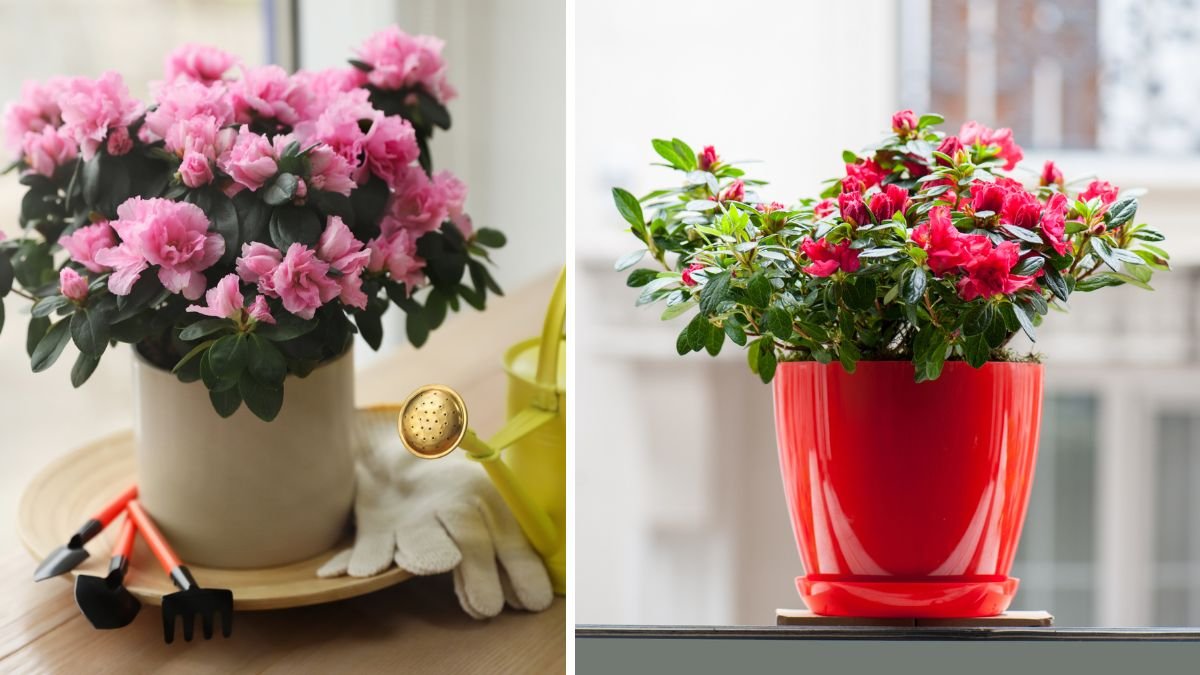
Azaleas are beloved for their stunning blooms and vibrant colors, making them an attractive choice for indoor gardening. Mini azaleas, in particular, are compact varieties that are well-suited for indoor growing. Their enchanting flowers can provide year-round beauty, yet growing them successfully requires a specific set of conditions. This guide will explore how to nurture mini azaleas indoors, detailing their care, ideal conditions, and maintenance tips.
Understanding Mini Azaleas
Characteristics of Mini Azaleas
Mini azaleas belong to the Rhododendron genus and are part of the Ericaceae family. While traditional azaleas can grow quite large, mini azaleas typically range in size from 12 to 18 inches tall. They offer a wide variety of floral colors, including shades of pink, red, white, and purple.
Varieties
Some popular mini azalea varieties include:
- Gumpo: Known for its abundant blooms and compact size.
- Snow: Characterized by pure white flowers, ideal for a classic look.
- Lilac: Offers a soft lavender hue, adding a gentle touch to your space.
Choosing the right variety based on your preferences is the first step toward a successful indoor garden.
Optimal Growing Conditions
Light Requirements
Light is crucial for the healthy growth of mini azaleas. They thrive in bright, indirect light. A south or east-facing window is ideal, but avoid direct sunlight, as it can scorch the leaves. If natural light is limited, consider using grow lights to provide adequate illumination.
Temperature and Humidity
Mini azaleas prefer a cool environment, ideally between 60°F to 70°F (15°C to 21°C). Maintaining humidity levels around 50% is also important, as azaleas thrive in moist conditions. You can increase humidity by:
- Placing a humidifier nearby.
- Grouping plants together.
- Setting pots on trays filled with water and pebbles.
Soil Type
The right soil is essential for healthy growth. Mini azaleas prefer acidic, well-draining soil. A potting mix specifically designed for azaleas or rhododendrons, or a blend of peat moss, pine bark, and perlite can provide the necessary drainage and acidity.
Potting
Select pots with drainage holes to prevent waterlogging, which can lead to root rot. When repotting, choose a slightly larger pot that accommodates growth but isn’t excessively large, as this can retain too much moisture.
Watering and Fertilizing
Watering
Mini azaleas require consistent moisture, but overwatering can be detrimental. Water when the top inch of soil feels dry, ensuring that excess water drains out. During the blooming season, they will need more frequent watering than during the dormant period.
Fertilizing
Fertilize mini azaleas every 4 to 6 weeks during the growing season (spring to summer) using a balanced, water-soluble fertilizer formulated for acid-loving plants. Dilute the fertilizer to half the recommended strength to avoid fertilizer burn. Cease fertilization during fall and winter when the plant is dormant.
Pruning and Maintenance
Pruning
Regular pruning promotes bushy growth and enhances blooming. Deadhead spent flowers to encourage new blooms and remove any dead or unhealthy leaves. Lightly prune after the blooming period to shape the plant and remove any leggy growth.
Pest Management
Mini azaleas can be susceptible to pests like aphids, spider mites, and whiteflies. Regularly inspect your plants for any signs of infestation and treat them promptly with insecticidal soap or neem oil.
Seasonal Care
Spring and Summer
During the spring and summer months, your mini azaleas will be actively growing and blooming. Increase watering frequency and ensure adequate light exposure for lush foliage and abundant flowers.
Fall and Winter
As fall approaches, reduce watering and fertilization as the plant enters dormancy. Move the pots to a cooler location to mimic their natural habitat and encourage the plant to rest.
Troubleshooting Common Issues
Yellowing Leaves
If you notice yellowing leaves, it might be due to overwatering or nutrient deficiencies. Adjust your watering schedule and check soil pH; azaleas prefer a pH of 5.0 to 6.0.
Lack of Blooms
A common issue is a lack of flowers. This could be due to insufficient light or improper fertilization. Ensure your azaleas receive enough bright light and have the right nutrients available.
Leaf Drop
Leaf drop can be caused by sudden changes in temperature or humidity. Keep your plant in a stable environment, avoiding drafts and sudden temperature fluctuations.
Propagation and Repotting
Propagation Methods
Mini azaleas can be propagated through stem cuttings. Here’s how:
- Select a Healthy Stem: Choose a semi-hardwood stem, ideally in late spring or early summer.
- Cut the Stem: Cut a 4- to 6-inch segment just below a node.
- Rooting Hormone: Dip the cut end in rooting hormone to promote growth.
- Planting: Place the cutting in a mix of potting soil and perlite, keeping it moist until roots develop.
Repotting
Repot mini azaleas every two years to refresh the soil and provide more space for growth. Carefully remove the plant from its pot, trim any dead roots, and place it in fresh soil.
Year-Round Care Tips
- Rotate Plants: Regularly rotate your azaleas for even light distribution.
- Monitor Watering: Adjust your watering based on seasonal changes.
- Observe Temperature: Keep the plant away from heating vents or air conditioners, which can cause stress.
Frequently Asked Questions (FAQs)
1. How often should I water my mini azalea?
Water your mini azalea when the top inch of soil feels dry, generally every few days during the growing season and less frequently during dormancy.
2. Can I keep mini azaleas outside in the summer?
Mini azaleas can be placed outside in a shaded location during summer but should be brought indoors if temperatures exceed 80°F (27°C) or if there’s a risk of frost.
3. Why are my azalea leaves turning brown?
Brown leaves can indicate underwatering, sunburn, or root rot. Ensure consistent moisture and keep them out of direct sunlight.
4. How can I encourage my mini azalea to bloom?
Ensure adequate lighting, proper fertilization in the growing season, and maintain cooler temperatures during dormancy to encourage blooming.
5. Is it safe to use tap water for my azaleas?
Tap water can contain minerals and chemicals that may harm azaleas. Use rainwater or distilled water when possible, or let tap water sit out for 24 hours to dissipate chlorine.
Conclusion
With the right care and attention, mini azaleas can flourish indoors, adding vibrancy and beauty to your home throughout the year. By understanding their needs in terms of light, water, temperature, and soil, you can enjoy the satisfaction of cultivating these stunning flowering plants. Whether you’re a seasoned gardener or new to indoor plants, mini azaleas can be a rewarding addition to your indoor garden.