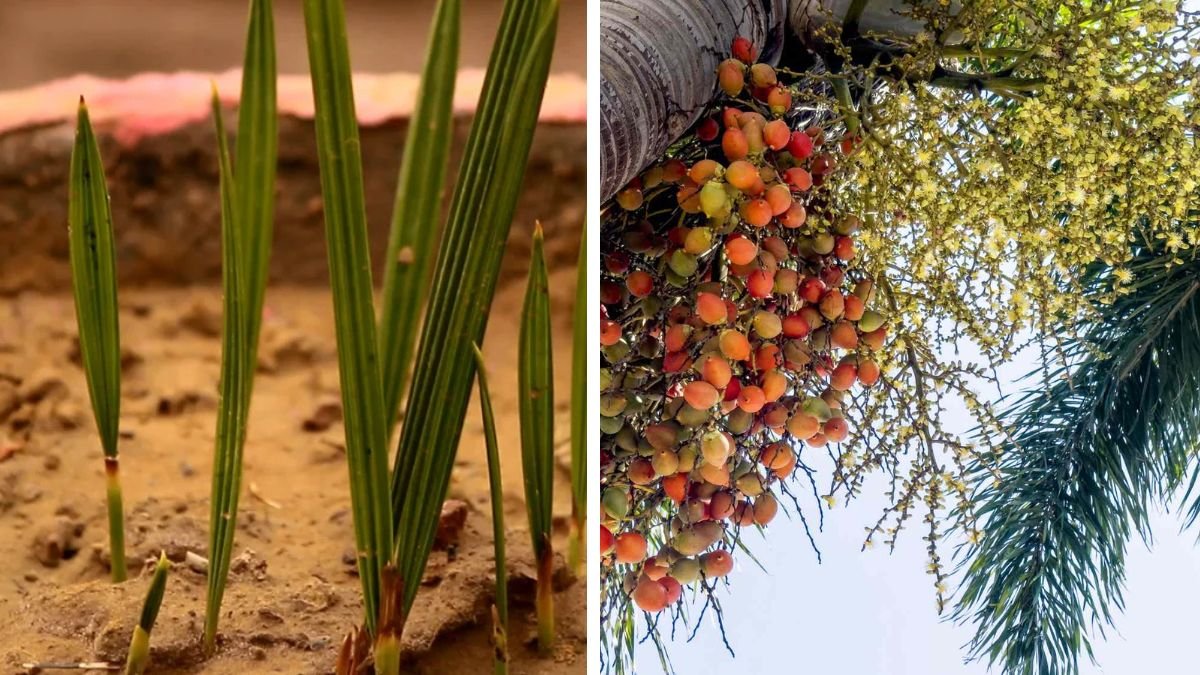
Date palms (Phoenix dactylifera) are not just majestic trees; they are also a rich source of delicious and nutritious fruit. Germinating date palm seeds at home can be a rewarding endeavor, whether you’re looking to cultivate your own date palms or simply enjoy the process. With the right techniques, you can successfully grow date palms from seeds right in your home. This article will guide you through the steps to germinate date palm seeds effectively and address some frequently asked questions.
Understanding the Date Palm
Before diving into germination techniques, it’s important to understand the date palm’s characteristics:
- Habitat: Date palms thrive in hot, arid climates, making them well-suited to regions like the Middle East and parts of California.
- Fruit: Dates are known for their sweetness and are often consumed fresh or dried.
- Growth: Date palms can grow up to 100 feet tall and may take several years to produce fruit.
Benefits of Growing Date Palms at Home
- Sustainability: Cultivating your own date palms reduces reliance on store-bought fruits.
- Flavor: Homegrown dates can taste fresher and more flavorful than commercially available ones.
- Aesthetic Appeal: Date palms can enhance the beauty of your landscape or garden.
Preparing to Germinate Date Palm Seeds
Step 1: Obtain Fresh Seeds
The first step to successfully germinating date palm seeds is obtaining high-quality seeds. You can find seeds from:
- Fresh dates purchased from a store.
- A nursery that specializes in date palms.
- Online retailers that sell exotic seeds.
To ensure the seeds are viable, it’s best to use fresh seeds rather than dried ones.
Step 2: Preparing the Seeds
Before planting, you need to prepare the seeds:
-
Cleaning: Remove any remaining flesh from the seeds by rinsing them under warm water. This helps eliminate sugar residues that can promote mold growth.
-
Soaking: Soak the cleaned seeds in water for about 24 hours. This helps to hydrate the seeds and begins the germination process.
-
Stratification: This step mimics the natural process of seed germination. Place the seeds in a damp paper towel, fold it, and put it inside a plastic bag or container. Place this in the refrigerator for 2-4 weeks. This cold treatment helps break dormancy.
Step 3: Choosing the Right Soil
Select a well-draining potting mix for your date palm seeds. A mixture of regular potting soil, sand, and perlite works well. This combination provides both moisture retention and excellent drainage, which is crucial for preventing root rot.
Planting the Seeds
Step 4: Planting Technique
-
Containers: Use small pots or seed trays. Ensure they have drainage holes to allow excess water to escape.
-
Soil Preparation: Fill the container with the prepared soil mix, leaving about an inch of space from the top.
-
Planting Depth: Make small holes about 1 inch deep in the soil. Place 1-2 seeds per hole to ensure that at least one germinates.
-
Covering the Seeds: Gently cover the seeds with soil and lightly press down to ensure good soil contact.
Step 5: Watering
After planting, gently water the soil until it is evenly moist but not soggy. Overwatering can lead to mold and root rot, which are detrimental to seed germination.
Providing the Right Environment
Step 6: Creating the Ideal Climate
Date palms thrive in warm conditions. Here’s how to create a conducive environment for your seeds:
-
Temperature: Keep the planted seeds in a warm area (ideally between 80°F and 90°F). If your home is cooler, consider using a heat mat to maintain a consistent temperature.
-
Humidity: Cover the pots with a plastic wrap or a humidity dome to retain moisture. Make sure to open it occasionally to prevent mold growth.
-
Light: Once the seeds germinate, they need bright but indirect light. A south-facing window or grow lights are good options.
Step 7: Germination Time
Germination can take anywhere from a few weeks to several months. Be patient and continue caring for your seeds during this period.
Caring for Seedlings
Step 8: Watering and Fertilizing
Once your seeds have germinated, continue with proper care:
-
Watering: Water regularly, ensuring the soil remains moist but not waterlogged.
-
Fertilizing: After a few weeks of growth, introduce a balanced, water-soluble fertilizer at half-strength, applying it every few weeks.
Step 9: Transplanting
When the seedlings reach about 6 inches in height and have a strong root system, you can transplant them into larger pots or directly into the ground if the climate allows.
Common Problems in Germination
Issue 1: Mold Growth
If you notice mold on the soil surface, reduce watering and ensure proper air circulation.
Issue 2: Seed Failure
If the seeds do not germinate, it could be due to old or improperly stored seeds. Always use fresh seeds for the best chance of success.
Issue 3: Slow Growth
If your seedlings are growing slowly, they may not be receiving enough light or nutrients. Ensure they get adequate exposure to sunlight and consider fertilizing them.
Frequently Asked Questions
1. How long does it take for date palm seeds to germinate?
Germination can take anywhere from 2 weeks to 3 months, depending on the seed’s freshness and environmental conditions.
2. Can I use seeds from dried dates?
While you can use seeds from dried dates, they may have a lower germination rate compared to fresh seeds. Fresh seeds are always recommended for better results.
3. What type of soil is best for date palm seeds?
A well-draining potting mix that includes regular potting soil, sand, and perlite works well to provide adequate moisture retention and drainage.
4. Do date palms require a lot of water?
Date palms prefer well-drained soil and should not be overwatered. During germination, keep the soil moist but make sure it does not become waterlogged.
5. Can I grow date palms indoors?
Yes, date palm seeds can be germinated indoors as long as they receive enough warmth and light. However, for long-term growth, an outdoor location or a spacious room with sufficient light is ideal.
6. When will my date palm start to bear fruit?
Date palms typically take 4 to 8 years to start producing fruit, depending on the variety and growing conditions.
7. How can I propagate mature date palms?
Mature date palms can be propagated through offshoots (pups) that grow from the base of the tree. These can be carefully removed and replanted.
8. What pests should I watch out for?
Common pests include spider mites and aphids. Regularly inspect your plants and treat any infested areas promptly with organic insecticides or neem oil.
Conclusion
Germinating date palm seeds at home may seem challenging, but with the right techniques and a bit of patience, you can successfully grow these remarkable trees. Whether for personal enjoyment or gardening purposes, cultivating date palms can provide a fulfilling experience. Remember to care for your seedlings as they grow, and soon, you may be rewarded with your very own date palm tree—and eventually, delicious dates to enjoy!