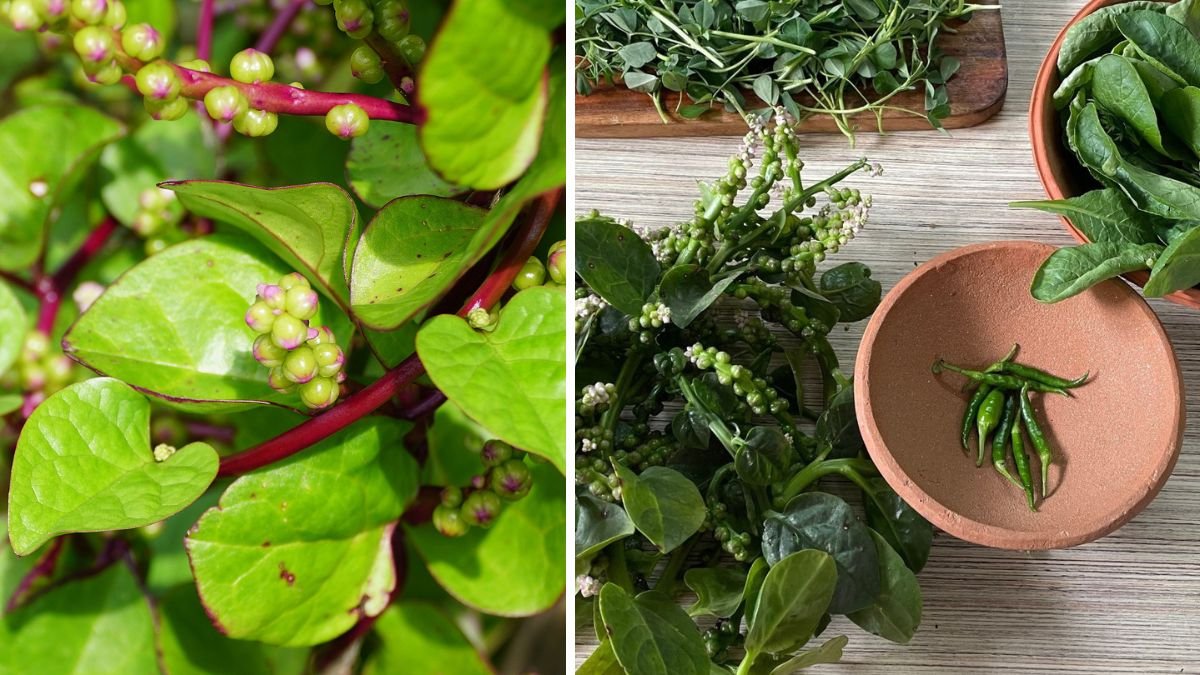
Malabar spinach, known scientifically as Basella alba, is a fast-growing, heat-loving vine native to Southeast Asia. Prized for its succulent leaves and tender stems, this versatile plant adds a unique flavor and texture to dishes, from salads to stir-fries. Its bushy nature can be cultivated successfully even in limited garden spaces, making it an attractive choice for home gardeners. This guide will walk you through the entire process of growing malabar spinach—from planting to maintenance—to ensure you enjoy abundant harvests.
Understanding Malabar Spinach
Before diving into cultivation, it’s crucial to understand the characteristics and needs of malabar spinach:
- Growth Habit: It is a climbing vine that can also be grown as a bush. With proper care, it can reach up to 10 feet in height.
- Flavor Profile: Malabar spinach has a mild, slightly peppery taste. Its leaves are thick and fleshy, making them perfect for sautéing or added to salads.
- Nutritional Benefits: Rich in vitamins A, C, and iron, malabar spinach is a nutritious addition to your diet.
Choosing the Right Location
Selecting the right location is key to successfully growing malabar spinach. Here are some tips:
- Sunlight: Malabar spinach thrives in full sun to partial shade. Ideally, it needs about 6 hours of sunlight daily.
- Soil Type: Preferring well-drained, loamy soil with a pH of 6.0 to 7.0, malabar spinach can adapt to poorer soils if well-drained. Adding compost or organic matter will enhance fertility.
- Space Requirements: Given its vine-like nature, ensure adequate space for climbing. If growing as a bush, maintain a distance of about 18-24 inches between plants.
Planting Malabar Spinach
Here’s how to plant your malabar spinach properly:
-
Planting Seeds or Seedlings:
- Seeds: Start seeds indoors about 6-8 weeks before the last frost date or sow them directly in the garden once the soil warms.
- Seedlings: If starting with seedlings, transplant them after the danger of frost has passed.
-
Sowing Depth: Plant seeds about 1 inch deep. If using seedlings, create a hole large enough to accommodate the root ball.
-
Spacing: Space seeds or seedlings about 12-18 inches apart to allow for adequate growth.
-
Watering: After planting, water the seeds or seedlings generously. Keep the soil consistently moist (but not soggy) for optimal germination.
Maintenance and Care
Proper maintenance is essential for ensuring a healthy malabar spinach plant:
Watering
- Frequency: Water frequently, especially in the first few weeks after planting. Once established, malabar spinach still requires regular watering, particularly in dry spells.
- Method: Aim for water at the base of the plant to prevent excess moisture on the leaves, reducing the risk of fungal diseases.
Fertilizing
- Type of Fertilizer: Use a balanced, slow-release fertilizer or compost to nourish the soil. Organic options like fish emulsion or seaweed extract can also be beneficial.
- When to Fertilize: Fertilize every 4-6 weeks during the growing season. Reduce feeding in late summer as the plant prepares for dormancy in cooler months.
Pruning
- When to Prune: Begin pruning once the plant reaches about 6 inches tall. Regular trimming will promote bushier growth and prevent over-branching.
- How to Prune: Use clean, sharp scissors to cuttop growth, focusing on leggy stems and any yellowing leaves. This encourages new growth and increases yield.
Support Structures
If you want to grow malabar spinach as a vine, provide adequate support:
- Trellis or Support: Use a garden trellis, stakes, or a fence to support climbing habits. This not only keeps the plant off the ground but promotes better air circulation and reduces disease risk.
- Bush Grown: If opting for a bushy growth, occasional trimming will help maintain shape and encourage productivity.
Pests and Diseases
Malabar spinach is generally resistant to many pests and diseases, but some common threats may arise:
Pests
- Aphids and Whiteflies: These can be managed using insecticidal soap or neem oil.
- Snails and Slugs: Hand-picking and using diatomaceous earth can deter these pests.
Diseases
- Powdery Mildew: Ensure good air circulation and avoid overhead watering to prevent this fungal disease.
- Root Rot: This can occur in poorly drained soil. To prevent root rot, ensure proper watering practices and soil drainage.
Harvesting Malabar Spinach
One of the most rewarding aspects of growing malabar spinach is the harvest:
-
When to Harvest: Begin harvesting leaves when they reach 4-6 inches in length. Regular harvesting encourages continued growth.
-
How to Harvest: Use scissors or garden shears to cut leaves just above a node, which promotes bushier growth. Focus on the younger, tender leaves for the best flavor.
-
Storage: Fresh leaves can be stored in the fridge for up to a week. For longer storage, consider blanching and freezing them.
Seasonal Considerations
The growing season for malabar spinach varies depending on your climate:
- Warm Climates: In tropical areas, malabar spinach can grow year-round.
- Cooler Climates: In temperate zones, it is best suited for the warmer months (late spring through early autumn). Ensure to start seeds indoors if planning to grow in areas with shorter growing seasons.
Propagation Techniques
If you want to expand your crop, malabar spinach can be easily propagated:
- Cuttings: Take healthy cuttings from existing plants. Ensure the cuttings are at least 6 inches long and have several nodes.
- Rooting: Place the cuttings in water or directly in moist soil and keep consistently watered.
FAQs
Q1: How long does it take for malabar spinach to mature?
A1: Malabar spinach typically takes 50-70 days from planting until the first harvest, depending on growing conditions.
Q2: Can I grow malabar spinach in containers?
A2: Yes, malabar spinach can be grown in containers as long as they have adequate depth (at least 12-14 inches) and good drainage.
Q3: Is malabar spinach frost-tolerant?
A3: No, malabar spinach is sensitive to frost. It’s best to harvest before the first frost or provide cover during cooler nights.
Q4: What can I do with an excess harvest?
A4: Besides eating fresh, consider sautéing and freezing for later use, making pesto, or incorporating into soups and stews.
Q5: Is malabar spinach safe to eat?
A5: Yes, malabar spinach is safe for consumption and is widely used in various cuisines globally.
Conclusion
Malabar spinach is a delightful and nutritious addition to any garden, offering vibrant greens that could elevate your cooking. By selecting the right location, providing appropriate care, and regularly harvesting, you will ensure an abundant and rewarding harvest. With these guidelines, you’ll be well-equipped to cultivate and maintain your malabar spinach plants successfully, enriching your meals and your garden with their lush growth. Happy gardening!