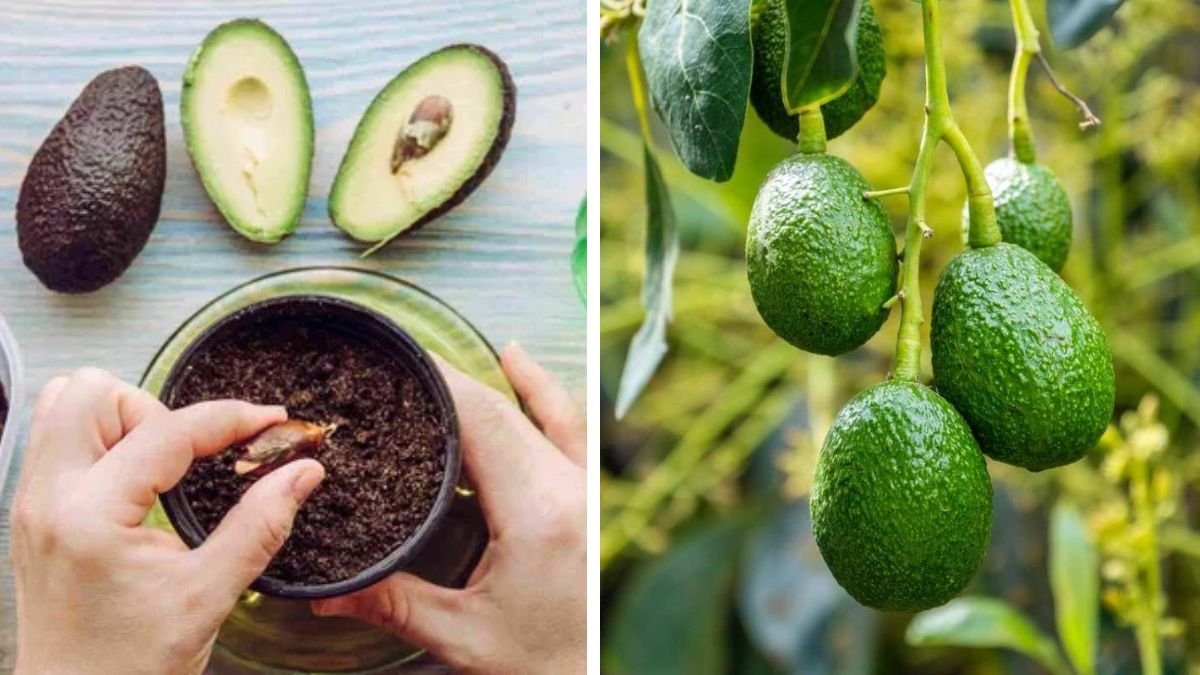
Avocado trees, particularly the dwarf varieties, are a great addition to home gardens, showcasing both beauty and utility. Whether you’re short on space or want the ease of managing a smaller tree, dwarf avocados offer a wonderful opportunity for gardening enthusiasts. This guide will explore the types of dwarf avocado varieties, cultivation practices, care tips, pest management, and more.
Understanding Dwarf Avocado Varieties
What Are Dwarf Avocados?
Dwarf avocado trees are compact versions of traditional avocado trees, usually reaching heights of 3 to 10 feet. They are ideal for home gardens, patios, or container growing. These trees produce delicious fruits while providing ornamental beauty year-round.
Popular Dwarf Avocado Varieties
-
Little Cado: A hybrid avocado that grows to about 3-4 feet. It produces small, creamy fruits that ripen in late summer to early fall.
-
Burgundy: This variety can reach up to 6 feet tall and produces medium-sized fruits with a rich taste. They thrive well in containers and can be grown indoors.
-
Nabal: A bit taller than the others, Nabal can grow to about 8 feet. Known for its large, buttery fruits, it’s self-pollinating and suitable for warmer climates.
-
Wurtz (Gwen): Widely regarded, this tree can grow up to 6 feet tall and produces small to medium fruits. Its compact size and resilience make it a top choice for home gardens.
Site Selection and Planting
Choosing the Right Location
When selecting a spot for your dwarf avocado tree, consider these factors:
-
Sunlight: Avocado trees thrive in full sun, needing at least 6 to 8 hours of sunlight daily. A southern-facing area is ideal.
-
Drainage: Well-drained soil is essential. Poor drainage can lead to root rot, which is detrimental to avocado trees.
-
Wind Protection: If you live in a windy area, consider planting near a fence or using windbreaks, as strong winds can damage branches and fruits.
Soil Preparation
Avocados prefer slightly acidic to neutral soil with a pH of 6 to 7. Here are some tips for preparing your soil:
-
Testing pH: Use a soil test kit to determine the pH of your soil. Amend it if needed.
-
Amending Soil: Detoxify heavy clay or sandy soils by mixing in organic matter such as compost, peat moss, or well-rotted manure.
-
Creating Raised Beds: If drainage is a significant concern, consider planting in raised beds to promote proper drainage.
Planting Process
-
Timing: The best time to plant avocado trees is in spring after the last frost.
-
Spacing: If planting more than one tree, space them about 10 to 15 feet apart to allow for growth and air circulation.
-
Planting Steps:
- Dig a hole twice the width of the root ball and as deep as the tree’s root.
- Remove the tree from its pot and gently loosen any tightly bound roots.
- Place the tree in the hole, ensuring the top of the root ball is level with the ground surface.
- Backfill with a mixture of native soil and organic matter, then water thoroughly.
Care and Maintenance
Watering
Dwarf avocados require regular watering, especially in their first year. However, avoid overwatering:
- First Year: Water once or twice a week during dry periods.
- Established Trees: Water when the top 1-2 inches of soil is dry.
Fertilization
Fertilize your avocado tree after the first six months of planting. Use a balanced fertilizer suitable for avocados, high in nitrogen, potassium, and magnesium.
- Frequency: Fertilize every 4 months during the growing season (spring and summer).
- Application: Follow package instructions carefully to avoid over-fertilizing.
Pruning
Pruning helps shape the tree, encourages air circulation, and removes dead or diseased branches.
- When to Prune: Late winter or early spring is the best time.
- Techniques: Remove suckers (shoots from the base), thin out crowded branches, and shape the canopy for better light penetration.
Pest and Disease Management
Though dwarf avocados can endure various pests, regular inspection helps in early identification:
-
Common Pests:
- Avocado Thrips: Small insects that can cause leaf damage. Use insecticidal soap for control.
- Avocado Leaf Roller: A caterpillar that rolls leaves. Handpick or use organic pesticides.
-
Diseases:
- Root Rot: Caused by overwatering. Ensure proper drainage and avoid soil saturation.
- Powdery Mildew: A fungal disease that can affect foliage. Spray with a sulfur-based fungicide.
Pollination
While many dwarf avocado varieties are self-pollinating, planting more than one variety can increase fruit yield. Avocado flowers are unique, operating in a “type A” or “type B” flowering system, ensuring cross-pollination enhances productivity.
Harvesting the Fruit
When to Harvest
Dwarf avocado fruits typically mature from late summer to early winter. Signs that fruit is ready for harvest include:
- A change in color (for varieties like ‘Burgundy’ and ‘Hass’).
- Slight softness when gently squeezed, but not overly mushy.
- Leaves may begin to drop, indicating the tree is ready to release its fruit.
How to Harvest
Using garden shears, cut the fruit from the tree, leaving a short stem attached. Avoid pulling or twisting, as this can damage the tree.
Frequently Asked Questions (FAQs)
1. What is the best soil type for dwarf avocados?
Avocado trees prefer well-draining soil with a pH between 6 to 7. Sandy loam or loamy soil mixed with organic material is ideal.
2. How much sunlight do dwarf avocados need?
Dwarf avocados require full sunlight, ideally 6-8 hours per day. Insufficient light can lead to poor fruit production.
3. Can I grow a dwarf avocado indoors?
Yes, many dwarf avocado varieties are suitable for indoor growing, provided they receive adequate sunlight (use grow lights if necessary) and meet humidity requirements.
4. How often should I water my dwarf avocado tree?
Water the tree once or twice a week during dry spells, allowing the top 1-2 inches of soil to dry out before watering again.
5. Are dwarf avocados self-pollinating?
Yes, most dwarf avocado varieties can self-pollinate, but planting multiple varieties can enhance fruit set through cross-pollination.
6. How long does it take for a dwarf avocado tree to bear fruit?
Most dwarf avocado varieties will begin fruiting within 3 to 4 years, depending on the growing conditions and care provided.
7. Can I prune my dwarf avocado tree?
Yes, pruning is beneficial for shaping the tree, encouraging growth, and maintaining air circulation. The best time to prune is late winter or early spring.
8. What pests should I look out for?
Common pests include avocado thrips and leaf rollers. Regular inspections and using eco-friendly insecticidal soaps can help manage these pests.
Conclusion
Growing dwarf avocado varieties in your home garden can be a rewarding experience, offering delicious fruit and beautiful foliage. By understanding their care needs, you can enjoy bountiful harvests and the pleasure of nurturing these wonderful trees. Whether you choose to grow them in the ground or containers, dwarf avocados can be a delightful addition to any garden enthusiast’s repertoire. With attention and care, you’ll not only cultivate a fruitful tree but also create a joyful gardening experience for yourself and others.