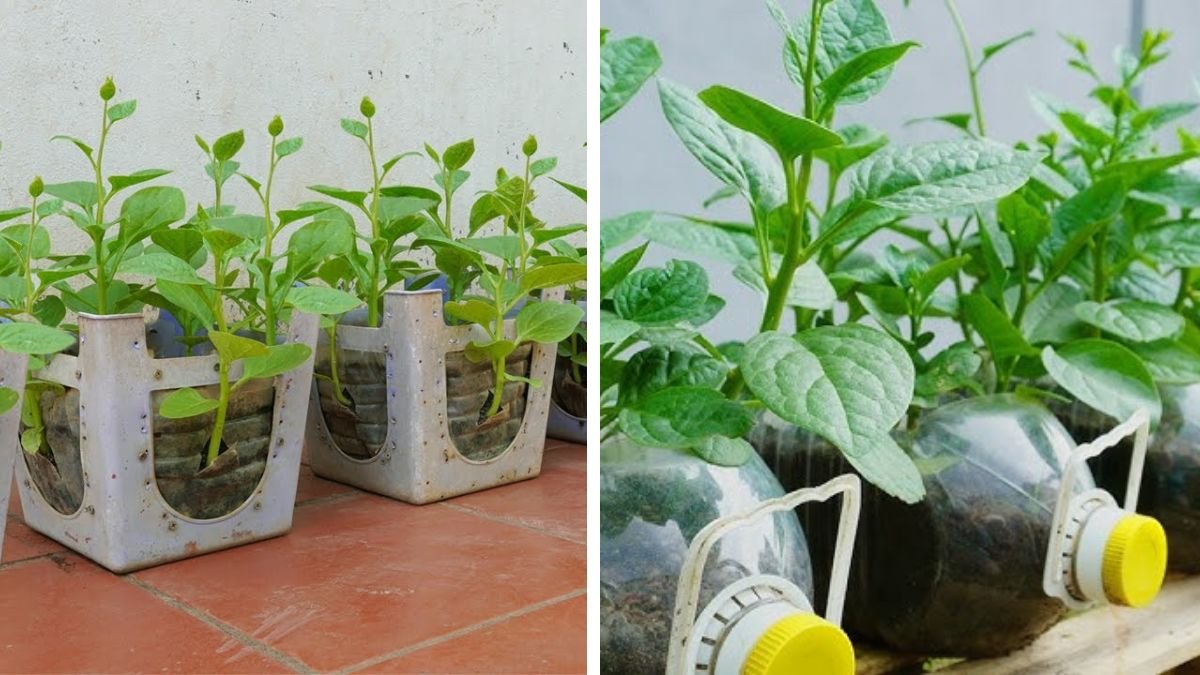
Introduction to Waste-Based Gardening
Malabar spinach is one of the easiest leafy vegetables to grow. It thrives in warm climates and grows rapidly. Using plastic and kitchen waste makes it even more sustainable. This method turns waste into food. It is perfect for eco-conscious gardeners. Malabar spinach grows vertically and continuously. Anyone can grow it with minimal cost. This garden proves waste has value.
Why Malabar Spinach Is Ideal for This Method
Malabar spinach is hardy and fast-growing. It tolerates heat well. It grows in containers easily. Leaves regenerate after harvesting. It thrives on organic waste nutrition. This makes it perfect for recycling gardening.
Using Plastic Waste as Containers
Plastic bottles, buckets, and tubs work well. Cut drainage holes properly. Clean containers thoroughly. Lightweight containers are ideal. Recycling plastic reduces pollution. Containers can be hung or placed vertically.
Kitchen Waste as Natural Fertilizer
Vegetable peels enrich soil. Banana peels provide potassium. Eggshells add calcium. Tea leaves improve texture. Composting waste boosts nutrition. This reduces fertilizer costs.
Preparing the Soil Mix
Mix garden soil with composted kitchen waste. Add cocopeat for drainage. Vermicompost improves fertility. Light soil encourages fast growth. Good soil is essential for leafy vegetables.
Planting Malabar Spinach
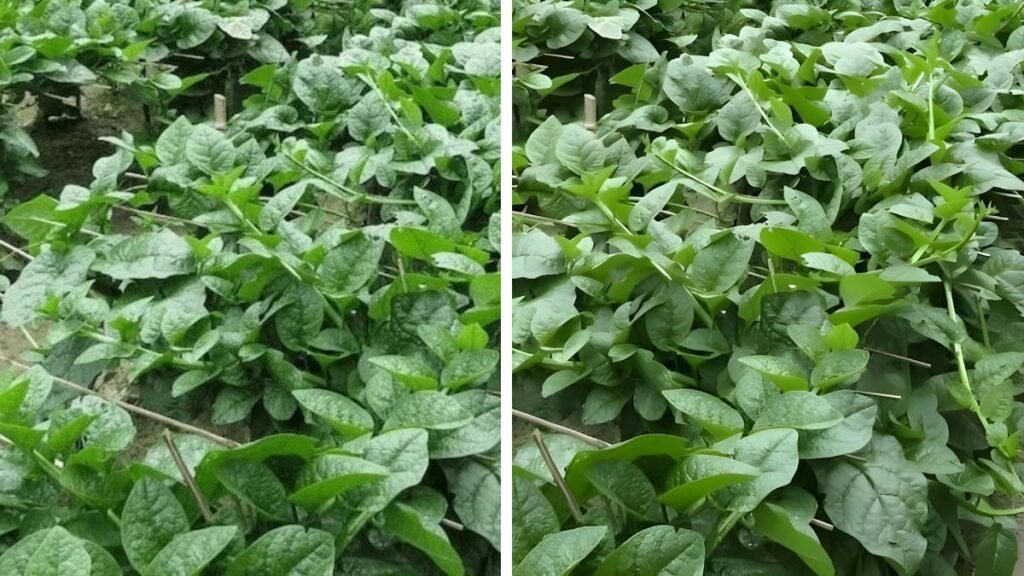
Use cuttings or seeds. Cuttings grow faster. Plant one per container. Water gently after planting. Strong starts ensure quick growth.
Vertical Growing Support
Use strings or sticks for climbing. Malabar spinach grows upward naturally. Vertical growth saves space. Supports improve airflow. Easy harvesting is possible.
Sunlight Needs
Malabar spinach needs partial to full sunlight. Four to six hours is enough. Too much shade slows growth. Balanced light improves leaf size.
Watering Routine
Water regularly. Containers dry faster. Keep soil moist but not soggy. Morning watering works best. Proper moisture keeps leaves tender.
Feeding with Kitchen Waste Tea
Soak vegetable peels in water. Use liquid as fertilizer. Feed once every ten days. This boosts leaf production naturally.
Fast Growth Cycle
Leaves can be harvested within weeks. Continuous harvesting encourages regrowth. One plant feeds a family. Growth remains steady with care.
Harvesting Method
Pick mature leaves regularly. Avoid removing all leaves at once. Gentle harvesting extends plant life.
Pest Management
Malabar spinach has few pests. Neem spray works if needed. Healthy plants resist insects naturally.
Yield Comparison Table
| Method | Input Cost | Growth Speed | Harvest Quantity |
|---|---|---|---|
| Traditional soil | Medium | Normal | Medium |
| Plastic and kitchen waste | Very low | Fast | High |
Environmental Advantages
Reduces plastic waste. Recycles kitchen scraps. Saves water. Supports eco-friendly living.
Cost Savings
Almost zero investment. No chemical fertilizer needed. Long-term savings are significant.
Perfect for Small Homes
Suitable for balconies and rooftops. Uses vertical space. No ground needed.
Teaching Sustainable Habits
Encourages waste recycling. Teaches food value. Builds eco awareness.
Scalability
Add more containers easily. Increase production gradually. Suitable for families.
Common Mistakes to Avoid
Overwatering causes rot. Poor drainage harms roots. Ignoring support limits growth.
Final Conclusion
Turning plastic and kitchen waste into a Malabar spinach garden is a smart and sustainable idea. It produces abundant leafy greens at almost no cost. This method proves that eco-friendly gardening can be productive, simple, and rewarding.