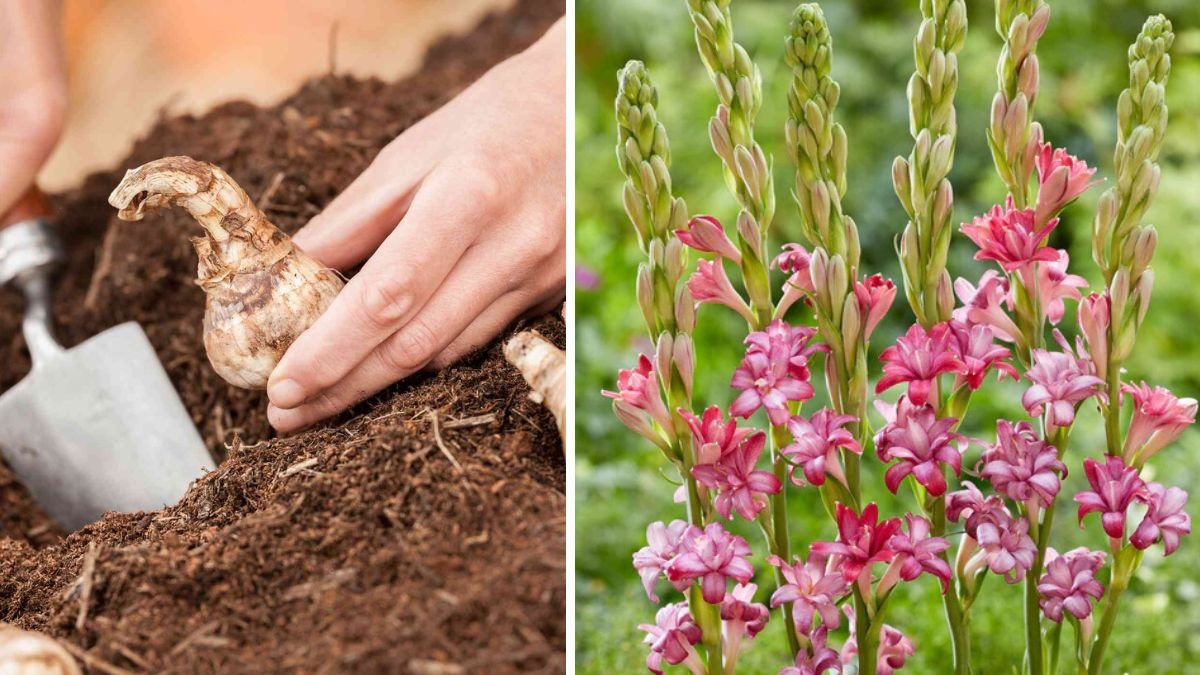
The tuberose (Polianthes tuberosa) is a beloved flowering plant known for its beautiful blooms and intoxicating fragrance. Native to Mexico, it’s a popular choice among garden enthusiasts for its ability to enhance the aesthetic appeal of any garden and attract pollinators. If you’re looking to cultivate this stunning flower in your home garden, understanding how to effectively multiply tuberose bulbs is essential. In this article, we’ll explore various techniques for tuberose bulb multiplication, ensuring you can enjoy a thriving display in your garden year after year.
Understanding Tuberose Bulbs
Before diving into propagation techniques, it’s important to understand what tuberose bulbs are. These bulbs are actually clusters of underground storage organs that store energy for the plant. When properly cared for, they can produce multiple flowering spikes, adding beauty and fragrance to your garden.
The Benefits of Multiplying Tuberose Bulbs
-
Cost-Effective: Growing your own tuberoses can save you money. Rather than purchasing new bulbs every year, you can propagate your existing ones.
-
Loyalty to Varietals: By propagating from your own plants, you ensure that you maintain the specific characteristics of those bulbs, such as color and fragrance.
-
Continuous Blooming: Multiplying your bulbs allows for continuous blooming throughout the seasons as you can stagger your planting times.
Techniques for Tuberose Bulb Multiplication
1. Division Method
The most common technique used for tuberose multiplication is bulb division. This method involves separating mature bulbs to create new plants.
Steps for Bulb Division:
-
Timing: The best time to divide tuberose bulbs is in the fall after the foliage has died back. This allows the bulbs to store energy efficiently for the next growing season.
-
Digging: Carefully use a spade or garden fork to dig up the bulbs. Be cautious not to damage them during the process.
-
Separation: Gently separate the bulbs. You’ll notice that tuberoses often produce offsets or smaller bulbs around the main bulb. Each offset can be a new plant.
-
Curing: Allow the bulbs to dry in a shaded, well-ventilated area for a few days to prevent rot.
-
Replanting: Store the separated bulbs in a dry place until the spring, when they can be replanted.
2. Offsets Cultivation
Offsets are smaller bulbs that form around the main bulb. Cultivating these is another effective way to multiply your tuberoses.
Steps to Collect Offsets:
-
Identification: After the growing season, carefully inspect your tuberose clump for offsets.
-
Gentle Removal: Use your hands to gently twist and pull away the offsets. Ensure to keep them intact with some surrounding soil.
-
Planting: Replant the offsets immediately in well-draining soil. Position them at the same depth they were growing.
3. Seed Propagation
Although less common, tuberose can be grown from seeds. This method is labor-intensive and requires patience but can yield new varieties.
Steps for Seed Germination:
-
Collecting Seeds: After flowering, allow the pods to ripen and turn brown. Harvest them when they are dry.
-
Sowing: Prepare seed trays filled with a seed-starting mix. Plant seeds about ¼ inch deep and water gently.
-
Light and Temperature: Place the trays in a warm location with indirect sunlight. Consistent moisture is vital for germination.
-
Transplanting: Once seedlings are large enough to handle, transplant them into larger containers or directly into the garden.
Tips for Successful Bulb Multiplication
Regardless of the method chosen, here are some tips to ensure successful tuberose multiplication:
-
Soil Quality: Tuberoses thrive in well-draining, fertile soil. Amend heavy soils with compost or sand to improve drainage.
-
Sunlight: They prefer full sun (6-8 hours of direct sunlight daily). Ensure that the planting site is not shaded by other plants or structures.
-
Watering: Regular watering is important, especially during the growing season. However, avoid waterlogging as it can cause bulb rot.
-
Fertilization: Use a balanced fertilizer during the growing season to promote healthy growth.
-
Mulching: Apply a layer of organic mulch around the base of the plants to retain moisture and suppress weeds.
Common Challenges in Bulb Multiplication
While multiplying tuberose bulbs can be straightforward, gardeners may face several challenges:
-
Pest Infestations: Tuberoses can be susceptible to aphids and spider mites. Regularly inspect plants and use organic insecticides as necessary.
-
Bulb Rot: Overwatering or planting in poorly drained soil can result in bulb rot. Proper drainage is critical.
-
Fungal Issues: Fungal infections can occur in overly humid conditions. Ensure good air circulation among plants and avoid overhead watering.
Maintenance and Care Post-Multiplication
After successfully multiplying your tuberose bulbs and replanting, proper care will influence the success of your blooms.
1. Watering Regime
Once planted, water the bulbs thoroughly. After establishment, reduce watering but ensure the soil remains slightly moist.
2. Regular Monitoring
Keep an eye on growth, and immediately remove any dead or diseased foliage. This helps prevent the spread of disease.
3. Post-Bloom Care
After blooming, allow the foliage to die back naturally. This process is essential for the bulbs to store energy for the next season.
Frequently Asked Questions (FAQs)
Q: When is the best time to plant tuberose bulbs?
A: Tuberose bulbs should be planted in the spring after the frost has passed. They require warm soil to thrive.
Q: How deep should I plant tuberose bulbs?
A: Plant tuberose bulbs about 4-6 inches deep and about 6-12 inches apart to allow for proper growth.
Q: Can I grow tuberose in pots?
A: Yes, tuberoses can be grown in pots. Ensure that the pots have good drainage holes and use a quality potting mix.
Q: How long do tuberose bulbs last?
A: Tuberose bulbs can last for several years if properly cared for. However, they may need division every few years to maintain health and vigor.
Q: How can I protect tuberose bulbs during winter?
A: In colder climates, it’s advisable to dig up the bulbs before the first frost and store them in a cool, dry place.
Q: Is tuberose toxic to pets?
A: Yes, tuberoses are toxic to cats and dogs. Keep them out of reach of pets to avoid potential poisoning.
Conclusion
Multiplying tuberose bulbs can be a rewarding endeavor for any gardener, whether you’re a novice or experienced. The techniques outlined in this article – bulb division, offsets cultivation, and seed propagation – provide various options to enhance your garden. With the right care and attention, you can create a stunning display of tuberose flowers that will bring beauty and a delightful fragrance to your home. Happy gardening!