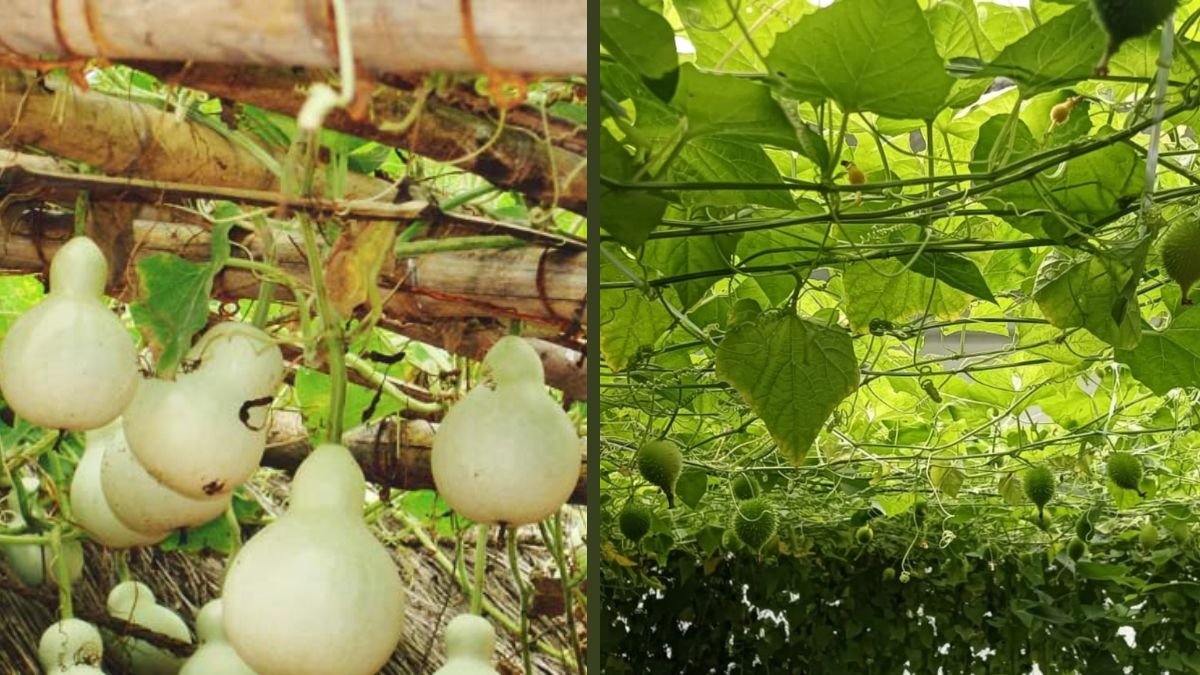
Introduction: Abundant Gourd Gardening
Gourds are versatile, nutritious, and easy to grow. Using a simple method, mothers can achieve such high production that they often have more gourds than they can consume. This guide explains an effective approach to produce multiple fruits per vine. Even small plots yield abundantly. Step-by-step instructions simplify care. The method is suitable for terraces, backyards, and village gardens. Gourds thrive when proper soil, support, and watering are maintained. High production ensures food security. Gardening becomes rewarding and joyful. Practical guidance helps mothers feel confident.
Understanding Gourd Plant Behavior
Gourds are climbing vines with vigorous growth. Flowers appear quickly in warm conditions. Fruits form along the main stem and lateral branches. Adequate support is essential for upward growth. Roots are sensitive to water stress. Understanding the growth habit ensures proper care. Healthy vines produce multiple fruits. Vigorous growth responds well to nutrition and training.
Why Traditional Methods Limit Yield
Traditional planting often allows vines to sprawl on the ground. Overcrowding reduces airflow. Fruits may rot on wet soil. Irregular watering limits growth. Nutrient deficiency affects fruit quality. Improper pruning restricts lateral branching. The new method solves these issues naturally. Efficient care improves yield drastically.
Preparing the Soil for Maximum Production
Vines thrive in fertile, loose soil. Mix compost, cow dung, and sand. This improves aeration and drainage. Organic matter supports root growth. Soil must be slightly raised to prevent waterlogging. Nutrient-rich soil produces larger fruits. Soil preparation is key to success. Healthy soil feeds multiple gourds simultaneously.
Selecting High-Quality Seeds or Seedlings
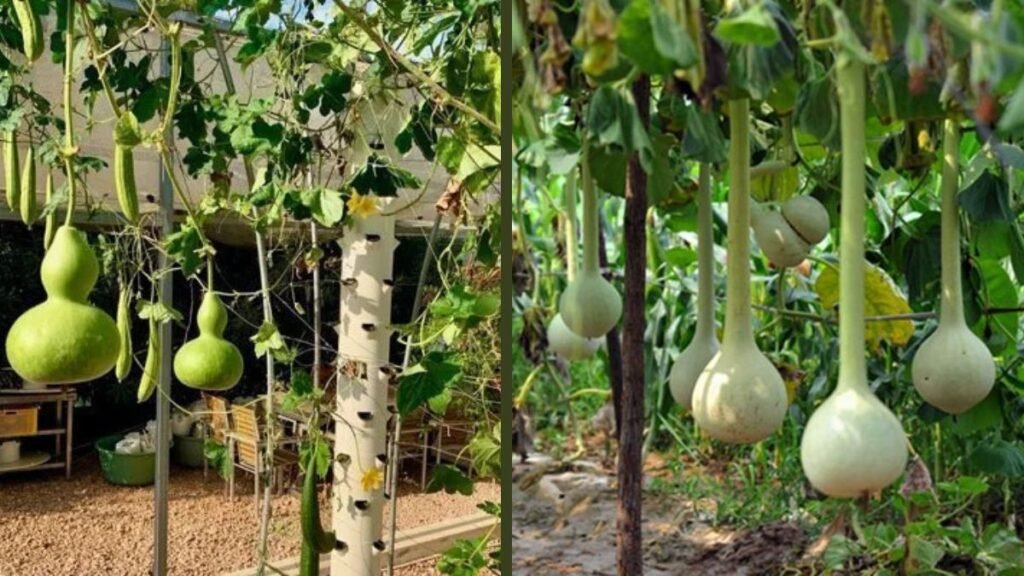
Choose healthy, disease-free seeds. Seeds from mature gourds yield better. Seedlings should have strong stems. Weak plants fail to produce many fruits. Proper seed selection ensures uniform growth. Healthy seedlings adapt better to soil conditions. Start with strong material for best results. Quality seeds lead to abundant harvests.
Best Season and Climate
Warm, sunny weather encourages flowering. Early summer to monsoon is ideal. Avoid extreme heat or frost. Consistent temperature supports growth. Timing affects fruiting speed. Proper season reduces stress on vines. Nature supports growth when aligned with climate. Good timing enhances abundance.
Layout and Plant Spacing
Spacing affects airflow and fruit size. Plant vines at adequate distance. Overcrowding reduces yield. Allow room for lateral branches. Proper spacing prevents disease. Vertical growth ensures multiple fruits per vine. Strategic layout maximizes small plots. Space planning is essential for abundance.
Supporting Vines for Vertical Growth
Use trellises, poles, or ropes. Vertical training prevents ground contact. Fruits grow clean and straight. Support improves sunlight exposure. Reduces pest and fungal problems. Vertical growth allows multiple lateral branches. Strong support ensures maximum production. Easy setup leads to better harvests.
Watering Techniques
Vines need steady moisture. Avoid waterlogging. Deep, infrequent watering works best. Mulching retains moisture. Morning watering is ideal. Balanced water prevents leaf yellowing. Proper hydration supports flowering and fruiting. Watering is key for multiple fruits.
Fertilization for Maximum Yield
Use compost, cow dung, and organic fertilizers. Feed regularly in small amounts. Balanced nutrition promotes flowering and fruiting. Avoid excessive nitrogen. Proper feeding improves fruit size. Nutrition affects vine vigor. Healthy vines produce more gourds. Organic feeding ensures safe harvests.
Flowering and Pollination Management
Male and female flowers must meet for fruiting. Bees, wind, or hand pollination help. Healthy flowers produce multiple fruits per vine. Avoid disturbing flowers. Proper pollination maximizes fruit setting. Early intervention improves yield. Regular observation is crucial. Successful pollination ensures abundance.
Pruning and Training Lateral Branches
Trim unnecessary lateral shoots. Direct nutrients to main branches. Encourage productive shoots. Balanced pruning improves airflow. Healthy vines produce heavier fruits. Proper training increases total fruits. Overgrowth reduces quality. Simple pruning boosts yield.
Pest Management Naturally
Gourds attract leaf-eating insects. Neem spray works well. Hand removal of pests is effective. Healthy, well-fed vines resist attack. Avoid chemicals near harvest. Natural control preserves soil life. Regular monitoring prevents crop loss. Safe methods protect family health.
Disease Prevention
Prevent fungal and bacterial infections. Space plants well. Remove infected leaves immediately. Avoid wetting foliage. Crop rotation maintains soil health. Healthy soil reduces disease occurrence. Prevention is more effective than cure. Consistency ensures abundant fruits.
Harvesting Gourds at Peak Ripeness
Harvest tender gourds regularly. Use a sharp knife. Avoid damaging the vine. Frequent harvest encourages new fruits. Morning harvest preserves freshness. Timely picking prevents over-ripening. Proper technique improves shelf life. Abundant harvest ensures plenty for consumption and sharing.
Post-Harvest Handling
Wash gently and remove damaged parts. Store in a cool, ventilated place. Avoid stacking to prevent bruising. Fresh gourds last longer. Handle carefully to maintain quality. Proper storage allows distribution to family or neighbors. Clean handling increases satisfaction. Post-harvest care extends usability.
Comparison Table: Traditional vs High-Yield Method
| Aspect | Traditional Method | High-Yield Method |
|---|---|---|
| Soil | Basic | Fertile and loose |
| Support | Often neglected | Vertical trellis or poles |
| Watering | Irregular | Balanced and consistent |
| Pruning | Rare | Regular for vigor |
| Yield | Moderate | Very High |
Benefits for Mothers and Families
Abundant vegetables reduce market dependency. Improves nutrition for children. Gardening builds confidence. Surplus allows sharing with neighbors. Encourages family participation. Promotes eco-friendly practices. Low investment, high return. Harvesting becomes joyful.
Sustainability and Long-Term Value
Organic inputs maintain soil health. Vertical growth saves space. Continuous care produces multiple seasons. Encourages self-sufficiency. Protects environment. Sustainable method benefits the community. Long-term gains increase confidence. Healthy practices support future crops.
Conclusion
With this growing method, mothers can harvest more gourds than they can consume. Proper soil, vertical support, pruning, and organic care maximize productivity. Even small plots become highly productive. Confidence grows with experience, ensuring abundant, healthy, and clean vegetables.