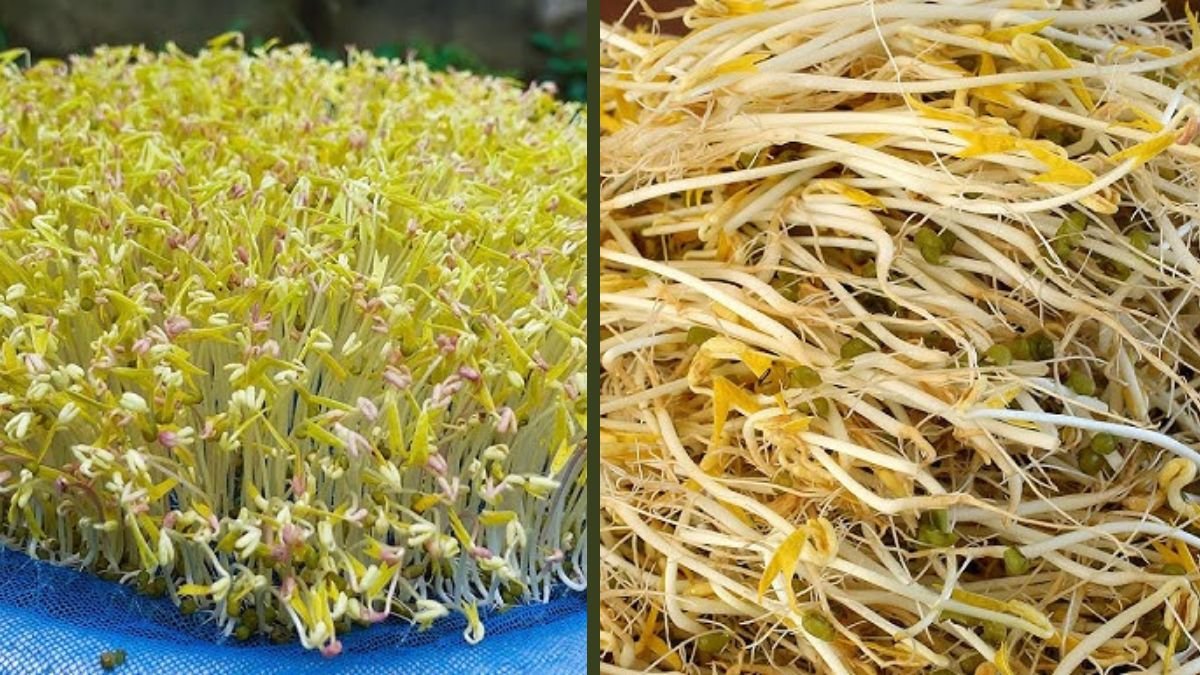
Introduction: The Power of Mung Bean Sprouts
Mung bean sprouts are a powerhouse of nutrition, packed with protein, vitamins, and minerals. Homegrown sprouts are fresher, healthier, and tastier than store-bought varieties. Many people struggle to grow them successfully because traditional methods are slow or prone to contamination. Fortunately, new techniques make growing sprouts at home easier, faster, and cleaner. In this guide, we’ll cover step-by-step instructions, tips for maximum yield, and safety measures. By the end, you’ll be able to enjoy fresh sprouts any time.
Why Mung Bean Sprouts Are Beneficial
Mung bean sprouts offer numerous health benefits. They are rich in vitamin C, vitamin K, folate, and fiber, making them excellent for digestion and immunity. Sprouts are also low in calories and high in antioxidants. Studies show that mung bean sprouts can help reduce cholesterol, improve heart health, and boost metabolism. For vegetarians and vegans, they are a great source of plant-based protein. The freshness of homegrown sprouts ensures higher nutrient retention. Eating sprouts daily can significantly improve overall wellness and vitality.
Choosing the Right Mung Beans
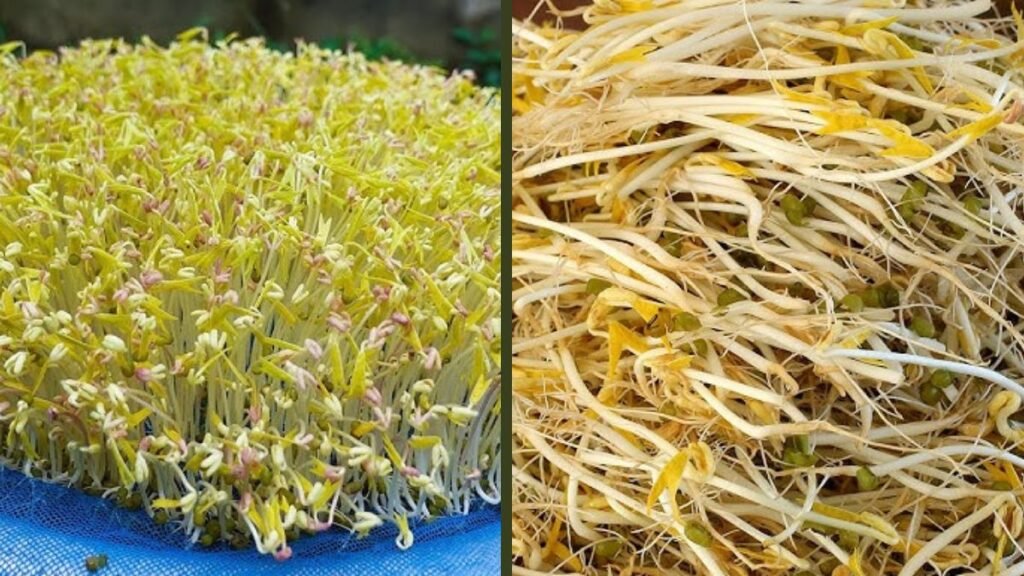
Selecting high-quality mung beans is critical. Organic, non-GMO beans are preferable for healthier sprouts. Avoid old or damaged beans, as they may not germinate properly. The ideal mung beans are small, round, and firm with no cracks. Purchase them from trusted stores or online suppliers. For maximum sprouting success, soak the beans in clean water for six to eight hours before starting the sprouting process. Proper selection ensures robust sprouts and reduces contamination risks.
Preparing Your Sprouting Equipment
A clean sprouting environment is essential. You will need a glass jar or a sprouting tray, a breathable lid or muslin cloth, and fresh water. Make sure all utensils are sterilized with hot water to prevent mold growth. Avoid using metal containers as they may react with sprouts. You can also use specialized sprouting bags or trays for larger yields. Organize your workspace to ensure convenience during rinsing and draining. Clean equipment guarantees healthier sprouts and reduces spoilage.
Soaking the Beans
Soaking is the first critical step in sprouting. Place mung beans in a jar and cover with fresh water, ensuring at least twice the water volume compared to beans. Soak for 6 to 8 hours, ideally overnight. Soaking softens the seed coat and initiates germination. After soaking, drain the water completely and rinse the beans gently. Repeat this process twice daily for the best results. Proper soaking enhances sprout size and nutrient availability.
The New Sprouting Technique
This innovative method uses minimal water and optimized airflow for faster sprouting. After soaking, place mung beans in a jar or tray in a slightly tilted position to allow drainage. Cover with a breathable cloth and store in a dark, ventilated place. Rinse and drain twice daily using fresh, cool water. Unlike traditional methods, this technique reduces the risk of mold and produces cleaner sprouts. In just 3 to 4 days, sprouts reach the perfect size of 1 to 2 inches.
Maintaining the Ideal Environment
Temperature and light play a key role in sprouting. Keep your beans at 20–25°C (68–77°F) in a dark location. Avoid direct sunlight as it can dry out the beans or produce bitter sprouts. Ensure good air circulation to prevent foul odors. Cleanliness is critical; rinse sprouts regularly to maintain hygiene. Using a slightly tilted jar improves drainage and airflow. Maintaining these conditions ensures crisp, sweet, and safe sprouts for consumption.
Daily Rinsing and Drainage
Rinsing is essential to prevent bacterial growth. Use clean, cool water to rinse sprouts twice daily. Drain thoroughly after each rinse to remove excess moisture. Tilt jars to allow water to exit completely. Avoid leaving water stagnant, as it can cause spoilage. Rinsing also refreshes the sprouts and keeps them hydrated. Consistent drainage is key to producing fresh, long-lasting sprouts.
Harvesting the Perfect Sprouts
Mung bean sprouts are ready for harvest in 3 to 5 days, depending on the environment. Look for crisp, white stems with small green tips. Avoid overgrown sprouts as they may taste bitter. Harvest by gently removing them from the jar or tray. Rinse one final time before storing. Use a clean colander to drain water completely. Proper harvesting ensures maximum freshness and nutrition.
Storage Tips
Fresh sprouts are highly perishable. Store them in an airtight container in the refrigerator for up to 5 days. Avoid washing before storage to prevent moisture buildup. Line containers with paper towels to absorb excess water. You can also freeze sprouts briefly, but texture may change. Consume sprouts quickly for optimal taste and health benefits. Regularly check for mold and discard any spoiled sprouts.
Common Mistakes to Avoid
Several mistakes can ruin your sprouts. Over-soaking beans can cause mushy sprouts. Poor drainage may lead to mold growth. Using old or low-quality beans reduces germination rates. Placing sprouts in direct sunlight can make them bitter. Infrequent rinsing increases contamination risk. Avoiding these errors ensures a consistent, healthy harvest every time.
Adding Flavor to Sprouts
Sprouts can be consumed raw, steamed, or stir-fried. Add lemon juice, olive oil, or herbs for extra flavor. They can also be incorporated into salads, sandwiches, or smoothies. Season lightly to retain nutritional value. Experiment with spices like cumin or black pepper for taste variations. Fresh sprouts enhance any dish with their crunchy texture. Homemade flavoring is healthier than store-bought options.
Health Precautions
While sprouts are nutritious, they may harbor bacteria if improperly grown. Always use clean water and sterilized equipment. Avoid eating sprouts that smell sour or look slimy. People with weakened immune systems should consume sprouts cooked. Proper hygiene and handling reduce the risk of foodborne illness. Homemade sprouts are safer and healthier than commercial options.
Benefits of This New Technique
The new sprouting method reduces contamination, speeds up growth, and improves yield. Sprouts are cleaner, crunchier, and more nutritious. It is easy for beginners and requires minimal equipment. By following these steps, anyone can enjoy fresh mung bean sprouts at home. This technique also saves money compared to store-bought sprouts. It promotes sustainable, healthy eating habits for the whole family.
Comparison Table: Traditional vs New Method
| Feature | Traditional Method | New Technique |
|---|---|---|
| Growth Time | 5-7 days | 3-4 days |
| Risk of Mold | Higher | Lower |
| Equipment Needed | Multiple trays | Single jar or tray |
| Flavor Quality | Moderate | Crisp & Sweet |
| Ease for Beginners | Moderate | Easy |
| Daily Maintenance | Frequent | Twice daily rinsing |
Frequently Asked Questions
- Can I sprout other beans the same way?
Yes, lentils, chickpeas, and adzuki beans work well. - Do I need sunlight?
No, sprouts grow best in the dark. - Can children eat raw sprouts?
Yes, if properly rinsed and fresh. - How long do sprouts last?
Up to 5 days in the refrigerator.
Conclusion
Growing mung bean sprouts at home is simple, cost-effective, and rewarding. The new technique ensures faster growth, cleaner results, and higher nutrition. With proper soaking, rinsing, and harvesting, anyone can enjoy fresh sprouts year-round. They are a versatile addition to any diet and a healthy alternative to processed foods. Start today and experience the joy of homemade, crunchy, and fresh mung bean sprouts.