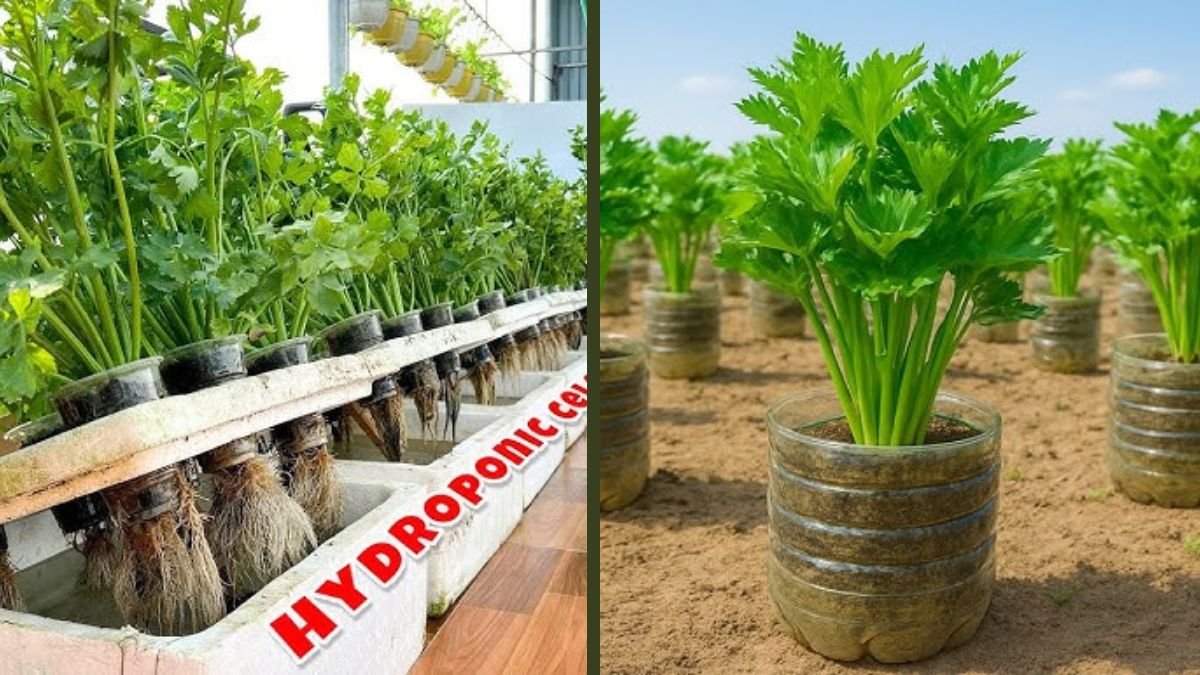
Introduction: Hanging Celery Gardening at Home
Celery is a nutritious vegetable used in many dishes. Many people believe celery is difficult to grow. In reality, celery grows well in hanging plastic containers on balconies. This method saves floor space and improves airflow. Hanging gardening is ideal for urban homes. With proper care, celery grows crisp and flavorful. This guide explains simple techniques. Even beginners can succeed. Fresh celery can be harvested continuously.
Understanding Celery Growth Requirements
Celery prefers cool to moderate temperatures. It has shallow roots and grows upright. Leaves and stalks develop together. Celery needs consistent moisture. Stress causes bitter stalks. Understanding growth needs helps avoid mistakes. Container growing offers better control. Knowledge ensures healthy plants.
Selecting the Right Celery Variety
Choose compact or home-garden celery varieties. Local varieties adapt well to climate. Disease-resistant seeds reduce risk. Leaf celery is easier for beginners. Stalk celery needs more care. Variety choice affects success rate. Beginners should start simple. Proper selection improves yield.
Choosing Hanging Plastic Containers
Use sturdy plastic containers with drainage holes. Containers should be wide enough for root spread. Lightweight containers are safer for hanging. Ensure strong hooks or ropes. Balance is important to prevent tipping. Proper containers ensure plant safety. Hanging height affects sunlight. Choose wisely.
Preparing the Soil Mix
Celery needs moisture-retentive soil. Mix garden soil, compost, and cocopeat. Soil should be rich and loose. Organic matter supports steady growth. Avoid dry or sandy soil alone. Good soil prevents bitterness. Proper preparation ensures strong stalks. Soil quality is crucial.
Seed Sowing and Germination
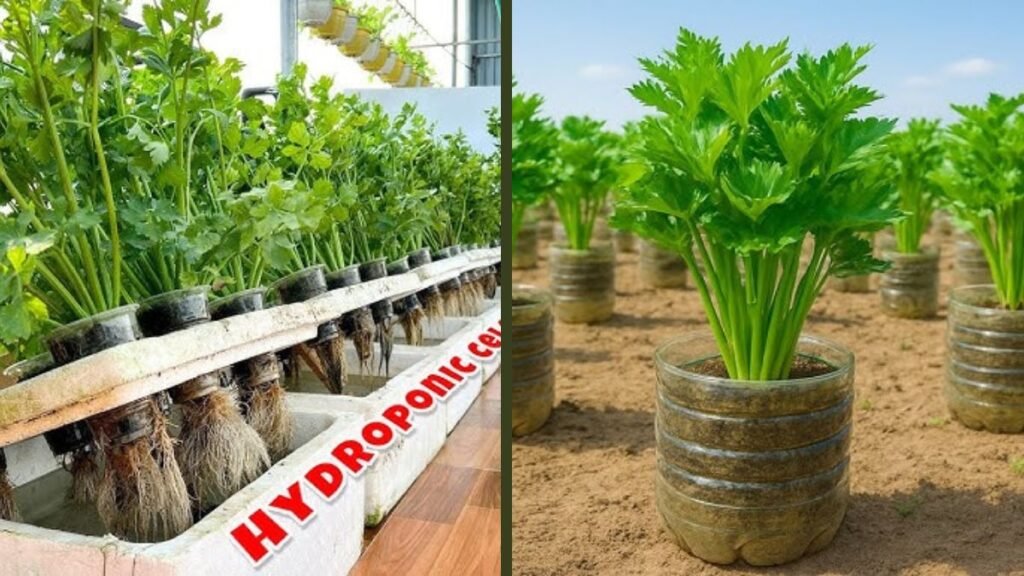
Celery seeds are small and slow to germinate. Sow seeds on soil surface. Press lightly without covering deeply. Keep soil moist consistently. Germination may take two weeks. Patience is important. Thin seedlings after sprouting. Proper care ensures healthy starts.
Transplanting Seedlings Carefully
Transplant seedlings when they are strong. Handle gently to protect roots. Plant one or two seedlings per container. Water immediately after transplanting. Avoid disturbing stems. Proper transplanting reduces shock. Healthy plants establish faster. Early care improves success.
Sunlight Needs on Balconies
Celery prefers partial sunlight. Morning sun is ideal. Avoid harsh afternoon heat. Place hanging containers strategically. Rotate containers if needed. Balanced light prevents stress. Too much heat reduces quality. Proper placement is key.
Watering Celery Consistently
Celery requires constant moisture. Never allow soil to dry completely. Water lightly but frequently. Hanging containers dry faster. Check moisture daily. Mulching helps retain water. Consistent watering keeps stalks crisp. Water management is essential.
Fertilizing for Healthy Stalks
Celery is a heavy feeder. Use compost tea regularly. Nitrogen supports stalk growth. Feed every two weeks. Avoid overfertilizing. Organic feeding improves texture. Healthy nutrition ensures tenderness. Balanced feeding prevents bitterness.
Supporting Upright Growth
Celery grows upright but may lean. Use light ties if needed. Hanging containers improve airflow. Support keeps plants straight. Proper spacing avoids crowding. Upright growth improves stalk quality. Simple support helps. Stability improves appearance.
Pest Control in Hanging Containers
Celery faces fewer pests when hung. Aphids may appear occasionally. Neem spray controls pests effectively. Hand removal is easy. Healthy plants resist insects. Avoid chemicals on edible stalks. Regular checks prevent damage. Organic methods work well.
Disease Prevention
Good airflow reduces disease risk. Avoid water on leaves at night. Remove yellow leaves promptly. Use clean containers. Healthy soil prevents problems. Prevention is easier than treatment. Clean gardening ensures success. Simple care is enough.
Blanching for Tender Stalks
Blanching improves celery tenderness. Wrap stalks with paper or cardboard. This reduces sunlight exposure. Blanching enhances color and taste. Start blanching before harvest. Proper technique improves quality. Gentle method works well. Flavor becomes milder.
Harvesting Celery Properly
Harvest outer stalks first. Cut near the base. Avoid uprooting the plant. Regular harvesting promotes new growth. Morning harvest keeps freshness. Proper timing improves taste. Gentle handling preserves quality. Continuous harvest is possible.
Post-Harvest Handling
Wash stalks gently. Store in refrigerator. Keep wrapped to retain moisture. Fresh celery lasts longer. Proper storage preserves crunch. Homegrown celery tastes better. Safe handling maintains quality. Enjoy fresh produce.
Comparison Table: Ground vs Hanging Celery
| Aspect | Ground Growing | Hanging Containers |
|---|---|---|
| Space | Large | Very small |
| Airflow | Moderate | Excellent |
| Pest pressure | Higher | Lower |
| Water control | Moderate | High |
| Accessibility | Bending | Easy reach |
Benefits of Hanging Celery Gardening
Saves balcony space. Easy maintenance. Cleaner plants. Ideal for small homes. Continuous fresh harvest. Beginner-friendly method. Eco-friendly approach. Encourages home gardening.
Sustainability and Long-Term Value
Plastic containers are reusable. Organic soil improves each season. Reduced water waste. Less dependency on markets. Encourages sustainable habits. Long-term savings increase. Gardening becomes enjoyable. Environment benefits greatly.
Conclusion
Growing celery in hanging plastic containers is simple and effective. With proper soil, watering, and care, crisp celery stalks grow easily on balconies. This method is perfect for beginners and small spaces. Fresh celery can be harvested regularly. Consistent care leads to success.