Introduction: The Hidden Value of Dried Coconuts
Most people throw away dried coconut shells without realizing their incredible value. These hard shells are not waste but powerful natural resources. From gardening to home decoration, dried coconuts have countless uses. In traditional villages, coconuts were reused creatively for decades. Modern sustainable gardening has revived these practices. Coconut shells are eco-friendly, biodegradable, and durable. They can replace plastic pots and chemical products. Once you understand their benefits, you will never discard them again.
Understanding What a Dried Coconut Is
A dried coconut is the mature fruit of the coconut palm after removing water and fresh flesh. The shell becomes hard and woody. This natural hardness makes it long-lasting. Unlike plastic, it decomposes slowly and safely. Coconut shells are porous, allowing air circulation. This property is excellent for plant roots. Dried coconuts are widely available in tropical regions. They cost nothing and require no processing. Their natural shape makes them versatile.
Why Dried Coconuts Are Perfect for Gardening
Gardening requires containers, drainage, and airflow. Dried coconuts provide all three naturally. Their shells allow excess water to escape. Roots get enough oxygen, preventing rot. Coconut shells stay cool even in heat. This protects sensitive roots. They are lightweight and easy to handle. Unlike clay pots, they don’t crack easily. Coconut shells support organic gardening. They reduce dependence on plastic containers.
Using Dried Coconut as Natural Plant Pots
One of the best uses is turning dried coconuts into planters. Cut the shell into halves. Make small drainage holes at the bottom. Fill with soil and compost. These pots are perfect for herbs, succulents, and seedlings. Hanging coconut planters are visually appealing. They blend beautifully with gardens. Coconut pots slowly decompose, enriching soil. This creates a natural feeding system.
Growing Seedlings in Coconut Shells
Seedlings need breathable containers. Coconut shells provide ideal conditions. Young roots spread easily inside. Moisture stays balanced. Overwatering problems reduce drastically. Once seedlings grow, shells can be planted directly into soil. The shell decomposes naturally. This avoids root disturbance. Plants establish faster. Coconut shells act as organic mulch underground.
Coconut Shells for Vertical Gardening
Vertical gardening saves space. Coconut shells can be tied or mounted on walls. Each shell becomes a mini planter. This method is excellent for balconies. Strawberries, mint, and leafy greens thrive well. Vertical coconut gardens look rustic and natural. They improve air quality. This approach is budget-friendly. No expensive containers are required.
Making Natural Compost with Coconut Waste
Coconut shells and fibers are compostable. When broken into pieces, they improve compost texture. They enhance aeration in compost pits. Coconut material absorbs moisture. This prevents bad odor. It supports beneficial microbes. Over time, shells break down into rich organic matter. This compost improves soil fertility. It also improves water retention.
Coconut Shells as Mulch in Gardens
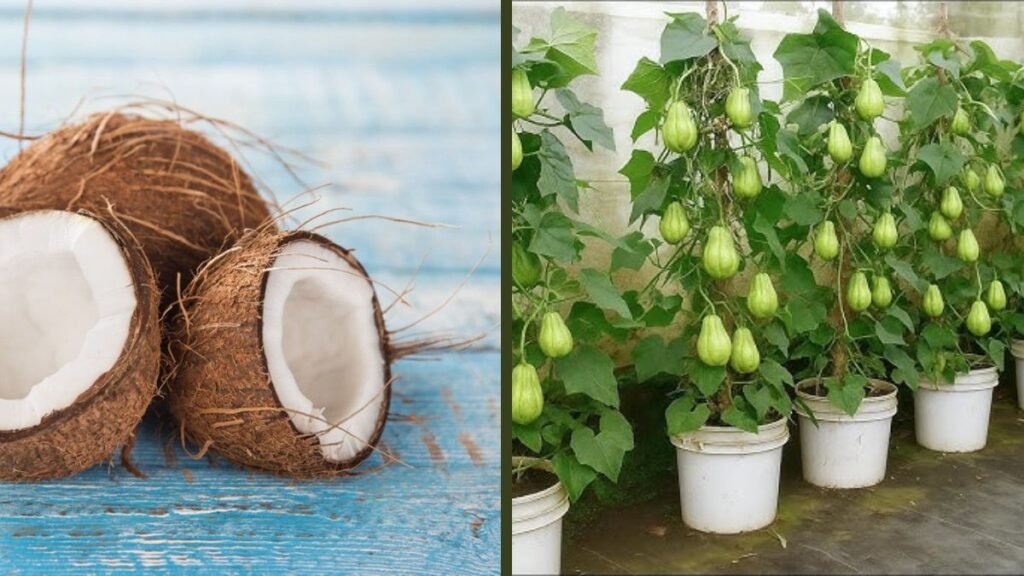
Mulching protects soil from heat and moisture loss. Coconut shell pieces are excellent mulch. They suppress weeds naturally. They keep soil cool in summer. Over time, they enrich soil. Unlike plastic mulch, they do not harm earthworms. Coconut mulch is long-lasting. It reduces watering frequency. This makes gardening more sustainable.
Creating DIY Garden Tools from Coconut Shells
Coconut shells can be shaped into scoops and bowls. Gardeners use them for seed storage. Small shell bowls are perfect for compost tea. They can hold fertilizer mixtures. These tools are biodegradable. They require no investment. Coconut tools add traditional charm. They connect us with natural living practices.
Coconut Shell Bird Feeders
Birds play a vital role in pest control. Coconut shells make excellent bird feeders. Cut a window and fill with grains. Hang it on a tree. Birds feel safe in natural shelters. This attracts biodiversity. Gardens become lively. Birds reduce insect pests naturally. Coconut feeders last long outdoors.
Indoor Decorative Uses of Dried Coconuts
Dried coconuts are popular in home décor. They can be polished and painted. Used as lamp holders or planters. Indoor plants grow well in coconut bowls. They add earthy aesthetics. Coconut décor supports eco-friendly living. No plastic is required. Natural décor is trending worldwide.
Health and Environmental Benefits
Reusing coconuts reduces waste. It minimizes plastic pollution. Coconut shells are chemical-free. They do not release toxins. Gardening with natural materials improves soil health. Sustainable practices protect ecosystems. Coconut reuse promotes circular economy. It benefits both environment and health.
Cost Savings from Coconut Reuse
Buying garden pots is expensive. Coconut shells are free. Compost materials cost money. Coconut waste replaces them. Decorative items are costly. Coconut décor is economical. This saves household expenses. Gardening becomes affordable. Sustainable living becomes accessible.
Coconut Shells for Rural and Urban Homes
In villages, coconuts are easily available. Urban homes can collect from markets. Balcony gardens benefit greatly. Coconut shells suit small spaces. They are lightweight. Easy to transport. Suitable for renters. Coconut gardening works everywhere.
Plants That Grow Best in Coconut Shells
Herbs like basil and coriander grow well. Succulents thrive due to drainage. Aloe vera performs excellently. Flowering plants like portulaca adapt well. Small vegetables grow successfully. Coconut shells suit shallow root plants. They are versatile containers.
Maintenance Tips for Coconut Planters
Soil dries faster than plastic pots. Water regularly but moderately. Replace shells after two years if needed. Clean before reuse. Avoid waterlogging. Use organic soil mix. Place in partial sunlight. Maintenance is simple.
Coconut Shell Usage Comparison Table
| Use Category | Benefit Description |
|---|---|
| Plant Pots | Natural drainage and root health |
| Compost Material | Improves aeration and moisture |
| Mulching | Retains moisture and controls weeds |
| Home Décor | Eco-friendly and aesthetic |
| Bird Feeders | Supports biodiversity |
Common Mistakes to Avoid
Do not use fresh coconut with oil residue. Avoid overwatering. Do not block drainage holes. Avoid heavy plants. Clean shells before use. Do not expose indoor shells to excess water. Follow simple precautions.
Long-Term Sustainability Impact
Using coconut waste supports sustainable living. It reduces landfill burden. Encourages reuse culture. Educates future generations. Promotes organic gardening. Aligns with zero-waste lifestyle. Coconut reuse is simple yet impactful.
Conclusion
Dried coconuts are not waste but valuable resources. From gardening to décor, their uses are endless. They save money, protect the environment, and improve plant health. Once you start reusing coconuts, throwing them away feels wasteful. Embrace this natural solution. Turn waste into wealth. Sustainable gardening begins at home.