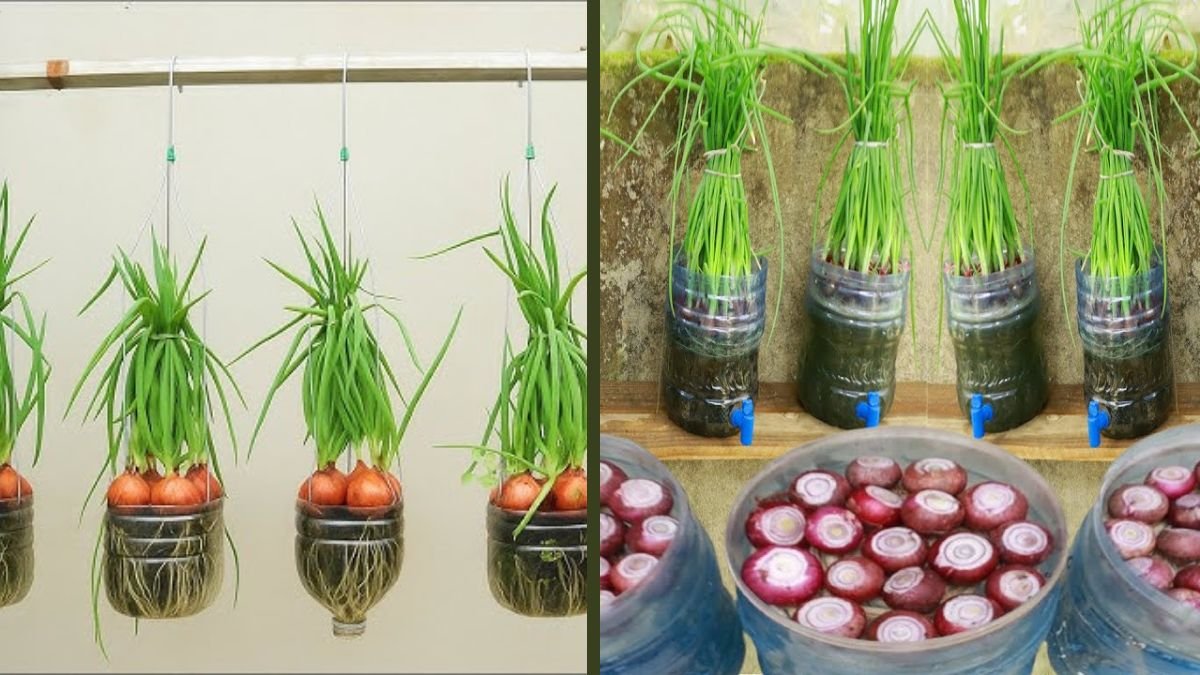
Paragraph 1: Introduction to Home Onion Growing
Growing onions at home is often overlooked. Many assume onions require large fields. Surprisingly, onions grow well in small containers or recycled materials. Home onions are fresh and chemical-free. Minimal space is required. You can regrow onions from kitchen scraps. This method saves money. Even beginners achieve satisfying harvests.
Paragraph 2: Why Onions Are Perfect for Home Cultivation
Onions adapt to various containers. They have shallow roots, suitable for limited soil. They grow quickly. Continuous regrowth is possible. Onions add flavor to daily meals. They are hardy plants. Easy to manage indoors or on terraces. Home cultivation is practical.
Paragraph 3: Materials Needed
Use onion sets, seeds, or scraps. Containers can be pots, buckets, or trays. Loose soil mixed with compost is ideal. Watering cans or spray bottles for irrigation. Mulch or straw helps retain moisture. Fertilizer supports growth. Small tools like trowels help planting. Having all ready ensures smooth cultivation.
Paragraph 4: Choosing Onion Varieties
Short-day onions suit mild climates. Long-day onions require more sunlight. Red, white, and yellow varieties are available. Choose based on taste preference. Disease-resistant types perform better. Seed quality affects regrowth. Fresh onions sprout faster. Variety selection is important.
Paragraph 5: Preparing Containers
Clean containers thoroughly. Drill drainage holes. Use recycled materials like plastic bottles or buckets. Ensure enough depth for roots. Line with gravel or small stones for drainage. Avoid compacting soil. Containers must support root expansion. Proper preparation is essential.
Paragraph 6: Soil Preparation
Use loose, fertile soil. Mix garden soil with compost. Add sand for better drainage. Organic matter improves growth. Avoid heavy clay. Balanced soil prevents waterlogging. Soil quality ensures healthy onions. Fertile soil boosts productivity.
Paragraph 7: Planting Onion Sets or Seeds
Plant sets a few inches apart. Seeds should be sown lightly. Cover with soil gently. Water immediately. Avoid overcrowding. Planting depth affects growth. Proper spacing encourages strong bulbs. Early care ensures success.
Paragraph 8: Regrowing from Onion Scraps
Cut onion bulbs leave root base intact. Place root ends in water or soil. New shoots emerge quickly. Transfer to soil after roots develop. Water regularly. Home scraps can regrow multiple times. Reuse reduces waste. This method is easy.
Paragraph 9: Sunlight Requirements

Onions need six to eight hours of sunlight. Place containers in bright areas. Rotate containers for even growth. Light affects leaf and bulb development. Indoor setups require bright windows or artificial light. Correct exposure promotes health. Sunlight improves flavor. Adequate light is essential.
Paragraph 10: Watering Tips
Keep soil moist but not soggy. Overwatering causes rot. Morning watering is best. Mulch conserves moisture. Containers dry faster than ground. Consistent watering improves growth. Avoid stress during bulb formation. Balanced moisture is key.
Paragraph 11: Fertilization for Maximum Yield
Use organic compost or liquid feed. Nitrogen supports leaf growth initially. Potassium promotes bulb size. Phosphorus improves root development. Feed every two weeks. Avoid overfertilizing. Proper nutrition improves flavor and size. Fertilization ensures productivity.
Paragraph 12: Mulching Benefits
Mulch keeps soil cool. Reduces evaporation. Suppresses weeds. Organic mulch adds nutrients. Maintains consistent moisture. Protects roots from temperature fluctuations. Enhances soil health. Mulching is essential.
Paragraph 13: Managing Pests and Diseases
Onions attract aphids and thrips. Neem oil or insecticidal soap helps. Remove infected leaves. Maintain clean containers. Good airflow prevents fungal issues. Monitor daily for problems. Healthy plants produce larger bulbs. Prevention is better than cure.
Paragraph 14: Leaf and Bulb Development
Leaves indicate plant health. Thick green leaves signal strong growth. Bulbs develop underground gradually. Proper soil and nutrition support bulb formation. Avoid disturbing roots. Monitoring growth ensures success. Leaf care correlates with yield. Healthy leaves equal better bulbs.
Paragraph 15: Harvesting Onions
Harvest when tops yellow and fall over. Use a trowel to loosen soil gently. Avoid damaging bulbs. Cure onions in shade before storage. Proper harvesting preserves flavor. Regular observation prevents overripening. Small onions can regrow for another cycle. Timing is important.
Paragraph 16: Storage Tips
Store in cool, dry place. Avoid plastic bags to prevent moisture. Mesh or paper bags work best. Keep ventilated for long shelf life. Onion storage reduces waste. Cured onions last months. Homegrown onions maintain flavor. Storage technique matters.
Paragraph 17: Table – Home Onion Growing Guide
Table: Onion Home Cultivation Essentials
Aspect | Recommended Practice
Container | Pots, buckets, or trays
Soil | Loose, fertile, compost-rich
Sunlight | Six to eight hours daily
Watering | Moist but not soggy
Fertilization | Organic compost or liquid feed
Harvesting | When tops yellow
Paragraph 18: Growing Onions in Small Spaces
Even balconies and windowsills work. Use vertical arrangements. Recycled containers save space. Easy to manage and move. Continuous regrowth increases supply. Small spaces become productive. Urban gardeners benefit greatly. Creativity maximizes yield.
Paragraph 19: Common Mistakes to Avoid
Overwatering causes rot. Poor light reduces growth. Skipping fertilization limits bulb size. Ignoring pests damages plants. Overcrowding prevents proper development. Observation and timely care improve results. Learning from mistakes enhances success. Patience is key.
Paragraph 20: Conclusion
Growing onions at home is simple, productive, and rewarding. Containers, scraps, or sets all work well. Proper care ensures fresh, flavorful onions. Minimal space is needed for maximum yield. Sustainable and cost-effective practice. Easy for beginners or advanced gardeners. Start small and expand gradually. Enjoy fresh homegrown onions year-round.