Paragraph 1: Introduction to Onion Gardening in Small Spaces
Urban gardening often faces space limitations, but growing onions in an old plastic basket solves this problem beautifully. Onions are versatile, nutritious, and easy to cultivate even in limited spaces. Using a plastic basket for planting reuses household waste and encourages sustainable gardening. This method is perfect for balconies, terraces, and kitchen gardens. Onions grow well in shallow containers as long as the soil drains properly. This DIY hack makes gardening accessible to beginners. It combines practicality with eco-friendliness. Anyone can grow fresh, chemical-free onions at home.
Paragraph 2: Why Choose Onions for Small Space Gardening
Onions are hardy vegetables that require minimal care. They grow fast, making them ideal for home gardens. Onions provide multiple harvests when managed properly. Their shallow roots make them suitable for baskets and containers. Growing onions at home ensures fresh produce and reduces grocery bills. They thrive in partial sunlight, which is ideal for urban spaces. Onions also improve mental health by providing a rewarding gardening experience. Their culinary versatility adds to the benefit of growing them at home.
Paragraph 3: Benefits of Using an Old Plastic Basket
Old plastic baskets are lightweight, portable, and perfect for vertical gardening. They allow for drainage if holes are made at the bottom. Using a basket is an excellent way to recycle plastic, reducing environmental impact. The basket’s structure helps air circulate, keeping roots healthy. It’s easy to move baskets to adjust sunlight exposure. Baskets can be stacked for growing multiple crops in small spaces. Using household items creatively saves money. Eco-friendly gardening supports sustainability.
Paragraph 4: Materials Needed for Onion Basket Gardening
You need an old plastic basket, potting soil, compost, onion sets or seeds, and water. A small trowel makes soil preparation easier. Organic fertilizer helps boost growth. A watering can or spray bottle is ideal for controlled irrigation. Stones or broken pottery at the bottom improve drainage. All materials are inexpensive and accessible. Preparing materials in advance saves time. This setup is beginner-friendly.
Paragraph 5: Preparing the Basket for Planting
Wash the basket thoroughly to remove dust and debris. Ensure it has drainage holes at the bottom. Place small stones or broken pieces of pottery at the base. Fill the basket with a mix of garden soil and compost. Avoid compacting the soil tightly. Leave a few inches of space at the top. Proper preparation prevents waterlogging. Good soil preparation encourages strong root growth.
Paragraph 6: Selecting Onion Sets or Seeds
Onions can be grown from seeds, bulbs, or sets. Sets are easier and produce faster results. Choose healthy, disease-free bulbs with firm skin. Avoid soft or moldy bulbs. Seed-grown onions take longer but allow more variety. Fresh sets sprout quickly in baskets. Proper selection increases survival and yield. Healthy planting material is crucial for success.
Paragraph 7: Planting Onions in the Basket
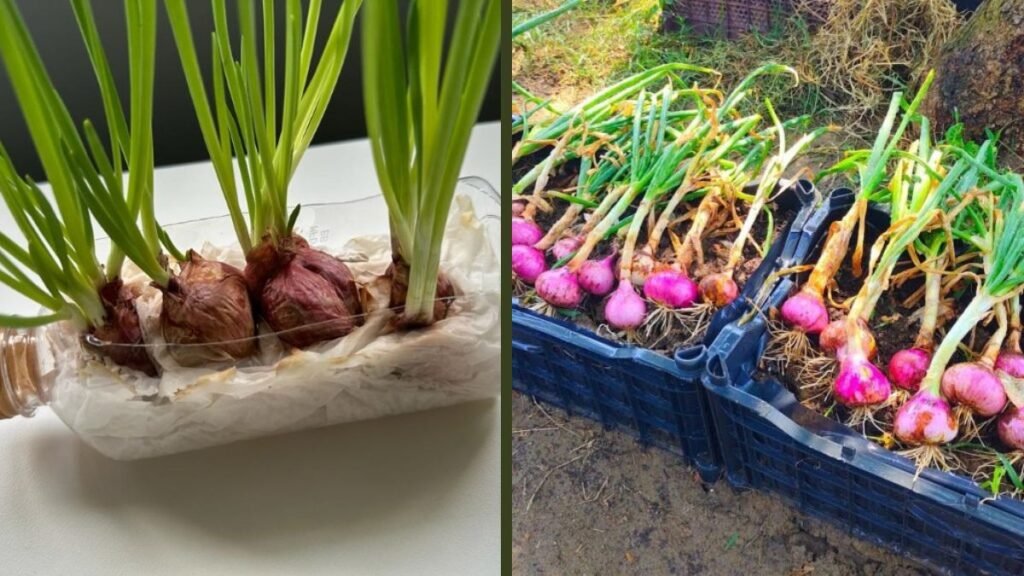
Make small holes in the soil using fingers or a stick. Plant onion sets upright with the root side down. Maintain spacing of two to three inches between bulbs. Cover roots with soil and leave tips slightly exposed. Water lightly after planting. Avoid deep planting to prevent rot. Proper planting ensures healthy growth. Uniform spacing encourages even harvesting.
Paragraph 8: Watering Requirements
Onions require consistent moisture, but overwatering causes root rot. Water the basket when the topsoil feels dry. Avoid waterlogging by ensuring proper drainage. Morning watering is ideal to reduce evaporation. Mist the tips occasionally if humidity is low. Balanced watering promotes strong leaf and bulb development. Avoid wetting the leaves excessively. Consistency is key to successful onion growth.
Paragraph 9: Sunlight and Location Needs
Onions grow best in full to partial sunlight, around four to six hours daily. Place the basket in a sunny balcony, terrace, or window. Rotate the basket occasionally to ensure even exposure. Partial shade works but may slow growth. Avoid areas prone to wind damage. Proper sunlight encourages photosynthesis and bulb development. Sunlight also reduces pest issues. Location is crucial for optimal growth.
Paragraph 10: Growth Timeline
Onion sets sprout within one to two weeks. Leaves grow rapidly in the first month. Bulbs begin forming after six to eight weeks. Regular observation ensures early detection of problems. Growth speed depends on temperature and soil nutrients. Healthy onions show upright, green leaves. Timely care ensures high-quality harvest. Patience is essential for home-grown onions.
Paragraph 11: Fertilization Tips
Use organic compost or liquid fertilizer every two weeks. Avoid excessive nitrogen, which promotes leaf growth over bulbs. Balanced nutrition supports bulb development. Fertilization improves yield and leaf quality. Liquid fertilizers are absorbed quickly. Compost ensures long-term soil fertility. Proper feeding prevents stunted growth. Fertilizer timing matters for bulb formation.
Paragraph 12: Pest and Disease Management
Common onion pests include aphids and thrips. Inspect plants regularly for damage. Use neem oil or mild soap solution to control pests. Avoid chemical pesticides for home-grown crops. Diseases like downy mildew can be prevented with good airflow. Remove damaged leaves promptly. Maintain balanced watering. Regular care reduces risks.
Paragraph 13: Harvesting Onions
Onions are ready to harvest when leaves turn yellow and fall over. Carefully pull bulbs without damaging roots. Dry them in a shaded, ventilated area for a few days. Proper drying extends shelf life. Small onions can be replanted for regrowth. Harvest only mature bulbs for best quality. Timing ensures sweet and healthy onions. Proper handling prevents rot.
Paragraph 14: Reusing the Basket
After harvest, remove soil and plant residue. Wash and dry the basket before reusing. Add fresh soil and compost for a new planting cycle. Plastic baskets can last for several years. This reduces the need for new containers. Reusing supports sustainable gardening. Basket maintenance improves plant health. Creative reuse is eco-friendly.
Paragraph 15: Advantages of Onion Basket Gardening
This method saves space and reuses household items. It allows urban gardeners to grow food easily. Plants grow quickly with proper care. It reduces grocery bills and ensures fresh produce. Eco-friendly approach prevents plastic waste. Suitable for beginners and experts. Easy mobility of baskets is a plus. Overall, it’s sustainable and practical.
Paragraph 16: Indoor vs Outdoor Basket Gardening
Indoor gardening offers control over light and temperature. Outdoor gardening benefits from natural sunlight. Indoor reduces pests but needs proper watering. Outdoor requires monitoring for rain and wind. Both methods succeed with proper care. Indoor placement works well for apartments. Outdoor is ideal for balconies. Flexibility increases success rate.
Paragraph 17: Table – Onion Basket Gardening Overview
Table: Key Factors for Onion Basket Gardening
Factor | Recommended Practice
Container | Old plastic basket
Planting material | Onion sets or seeds
Soil mix | Garden soil with compost
Watering | Moderate, consistent
Sunlight | Four to six hours daily
Harvest time | Six to eight weeks
Paragraph 18: Creative Uses for Onion Basket Gardening
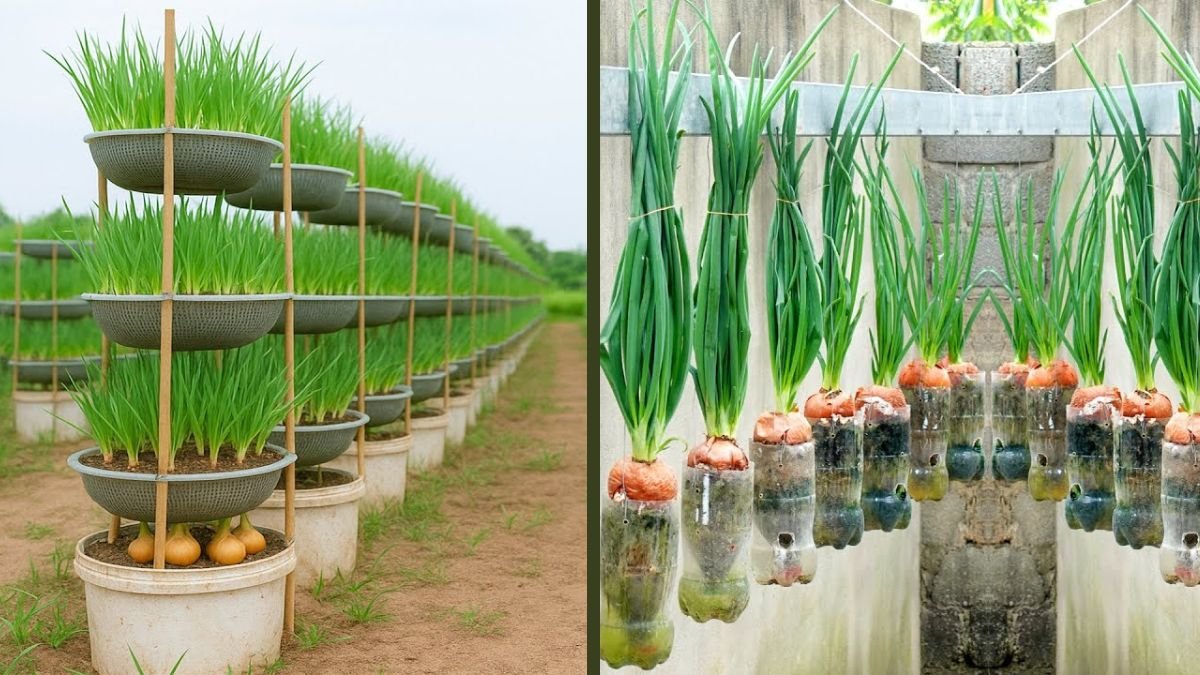
Baskets can be hung, placed on shelves, or stacked vertically. This enhances home décor while saving space. It’s ideal for urban gardening. Can be combined with other vegetables. Creative arrangements increase productivity. Visual appeal motivates regular care. Gardening becomes both functional and aesthetic. Maximizes small space utility.
Paragraph 19: Teaching Kids Gardening
Onion basket gardening is great for teaching children. They learn responsibility and sustainability. Watching growth encourages curiosity. Simple steps keep children engaged. Gardening teaches patience. Children also develop interest in healthy food. It’s educational and fun. Involvement fosters environmental awareness.
Paragraph 20: Conclusion
Growing onions in an old plastic basket is simple, practical, and eco-friendly. It turns household waste into productive gardening. Small spaces become useful growing areas. Fresh, healthy onions are available at home. This method suits beginners and urban gardeners. With proper care, it produces high yields. Start today and enjoy this creative gardening hack.