1. Introduction to Ancient Portuguese Olive Trees
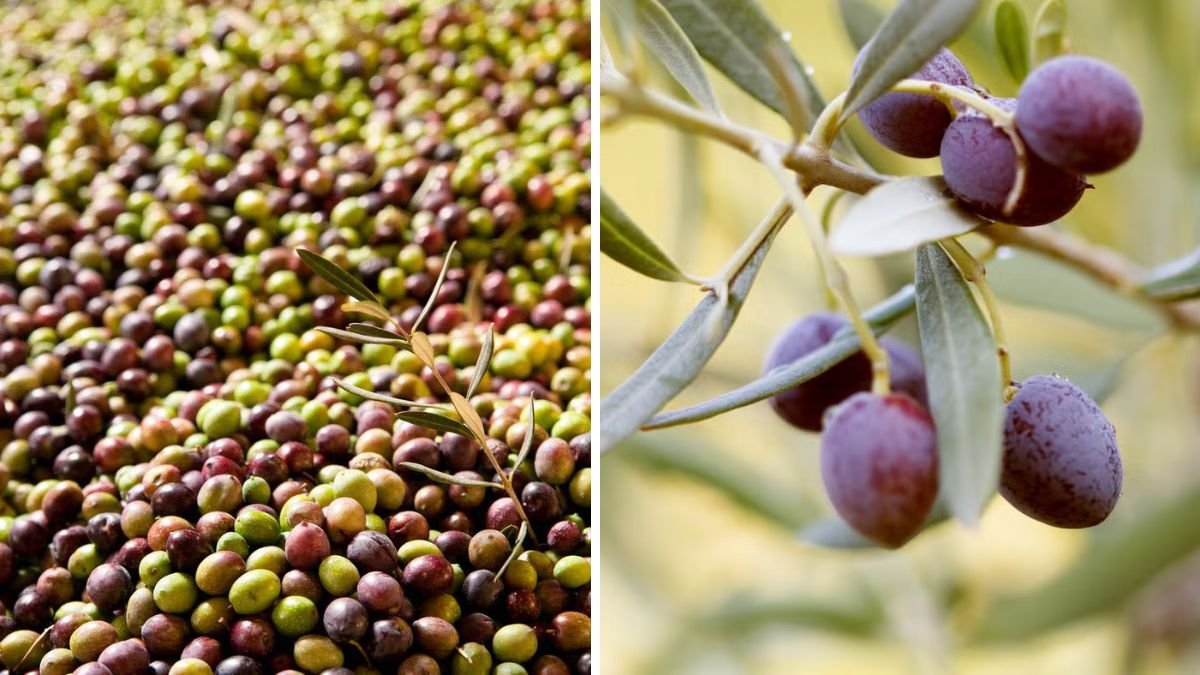
Portugal is famous for its centuries-old olive groves. Some trees have been producing olives for over a hundred years. These ancient trees yield small, flavorful fruits that are highly prized. Olive oil from such trees is rich and aromatic. The groves are part of the country’s cultural and agricultural heritage. Maintaining these trees requires traditional knowledge. Each tree tells a story of resilience. Their longevity attracts tourists and olive enthusiasts alike.
2. Historical Significance
Olive cultivation in Portugal dates back thousands of years. Roman and Moorish influences shaped traditional farming methods. These historic groves are living monuments. Farmers use techniques passed down generations. The trees have adapted naturally to local climates. Ancient groves contribute to biodiversity. Preserving old trees maintains historical landscapes. History and agriculture are deeply intertwined.
3. Olive Tree Varieties
Portuguese groves feature multiple varieties. Cobrançosa, Galega, and Cordovil are common. Each variety has unique taste and oil content. Some trees produce small fruits with intense flavor. Others are larger but milder. Ancient trees often carry rare local varieties. Diversity contributes to olive oil richness. Knowledge of varieties is essential for harvest and processing.
4. Climate Requirements
Ancient olive trees thrive in Mediterranean climates. Warm, dry summers and mild winters are ideal. These conditions prevent fungal diseases. Trees tolerate occasional droughts. Coastal winds can influence fruit flavor. Long-term survival depends on climate consistency. Soil and water availability also matter. Climate shapes olive growth and oil quality.
5. Soil and Terrain
Olive trees flourish in well-draining soils. Rocky and sandy soils are preferred. Poorly draining soils lead to root rot. Many ancient trees grow on slopes and terraces. Natural drainage protects roots. Soil pH is typically slightly alkaline. Fertility is low, but trees adapt over centuries. Soil conditions affect fruit flavor and oil aroma.
6. Tree Longevity
Some Portuguese olive trees exceed a hundred years in age. They survive droughts, storms, and diseases. Old trees develop thick, twisted trunks. Longevity depends on natural resilience and care. Regular pruning removes dead wood. Healthy roots sustain life for decades. Longevity enhances fruit intensity. Ancient trees are irreplaceable treasures.
7. Pruning Practices
Ancient trees require careful pruning. Removing old, unproductive branches improves airflow. Pruning prevents disease and promotes fruiting. Excessive cutting may stress the tree. Seasonal pruning is preferred. Techniques vary by variety. Experienced farmers use traditional tools. Proper pruning balances health and production.
8. Watering Needs
Mature trees survive on minimal irrigation. Roots access deep groundwater. Young trees require regular watering. Overwatering older trees can damage roots. Drip irrigation is used in modern groves. Seasonal adjustments prevent drought stress. Watering influences fruit size and oil content. Consistency ensures healthy growth.
9. Fertilization
Ancient trees require minimal fertilization. Organic compost or manure supports soil life. Excess chemical fertilizer can harm long-term health. Balanced nutrients improve fruit yield. Fertilization schedules are guided by leaf and soil analysis. Sustainable practices maintain tree vitality. Healthy trees produce flavorful olives. Fertility management is subtle but critical.
10. Flowering Stage
Olive trees bloom in spring. Flowers are small, white, and aromatic. Pollination influences fruit set. Weather and nutrition affect flowering success. Ancient trees may have fewer flowers but high-quality fruit. Monitoring bloom ensures optimal harvest. Flower health signals tree vigor. Flowering predicts oil potential.
11. Pollination
Olives are partially self-pollinating. Cross-pollination increases yield and uniformity. Bees and wind aid pollination. Ancient groves often rely on natural pollinators. Hand pollination is rare but practiced for premium production. Pollination timing affects fruit development. Healthy flowers produce more olives. Ensuring pollination preserves harvest quality.
12. Fruit Development
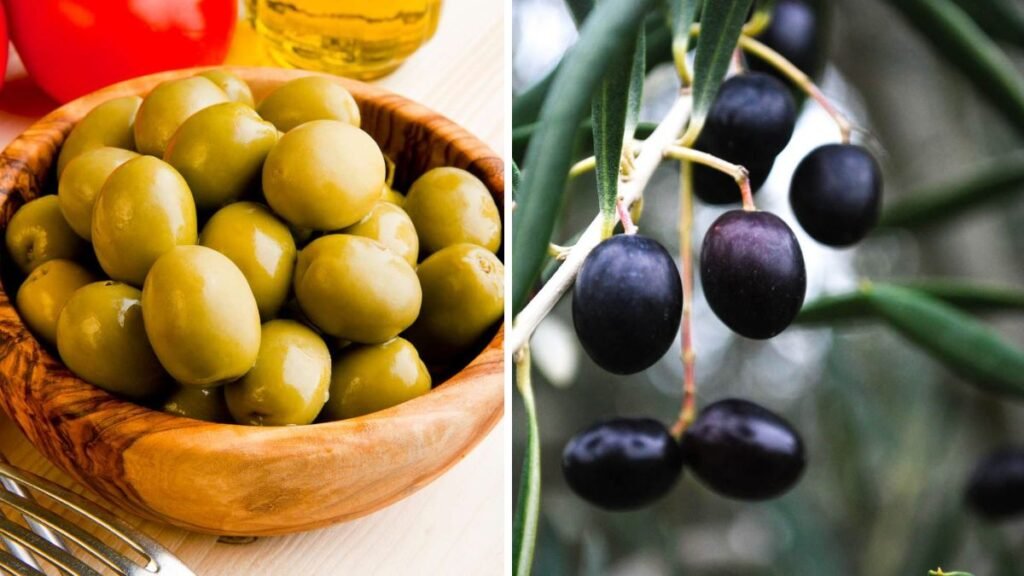
Olives develop slowly over months. Color changes from green to dark purple. Ancient trees produce smaller fruits but more concentrated flavor. Adequate nutrition supports growth. Stress can cause fruit drop. Clustered fruits are common. Patience is key to harvesting peak flavor. Development stage defines oil characteristics.
13. Harvesting Techniques
Harvesting is often manual in ancient groves. Handpicking prevents bruising. Traditional methods use nets and wooden sticks. Timing is critical for desired oil quality. Early harvest produces greener, more bitter oil. Late harvest increases sweetness. Skilled labor ensures minimal damage. Harvesting preserves tree health.
14. Post-Harvest Processing
Olives are cleaned and sorted immediately. Cold-pressing maintains quality. Storage temperature affects aroma. Traditional mills preserve artisanal characteristics. Quick processing prevents fermentation. Proper handling maximizes oil yield. Processing methods highlight unique flavors. Post-harvest care determines product excellence.
15. Olive Oil Characteristics
Oil from century-old trees is rich and aromatic. Low acidity indicates quality. Flavor notes vary from grassy to nutty. Ancient trees produce limited but exceptional oil. Traditional groves offer premium products. Oil quality depends on harvest timing and processing. Unique terroir affects aroma. Consumer demand is high for heritage olive oil.
16. Culinary Uses
Olive oil enhances Mediterranean dishes. Drizzling on salads and roasted vegetables is common. Ancient tree oil is ideal for dipping bread. Flavor intensity makes it suitable for gourmet cooking. Oil is paired with herbs for enhanced taste. Culinary versatility boosts market value. Traditional recipes often use heritage oil. Usage celebrates regional culture.
17. Economic Significance
Ancient groves provide income through olives and oil. Heritage oils fetch premium prices. Sustainable farming ensures long-term revenue. Agro-tourism enhances economic opportunities. Local communities benefit culturally and financially. Export demand is growing. Value-added products increase profitability. Investment in preservation pays off.
18. Cultural Importance
Olive trees symbolize longevity and heritage in Portugal. Traditional festivals celebrate harvests. Groves are often family-owned for generations. Ancient trees hold historical and emotional value. Preservation strengthens community identity. Cultural significance adds market appeal. Farming practices honor tradition. Olive cultivation blends heritage and economy.
19. Challenges of Maintaining Ancient Trees
Challenges include pests, diseases, and climate stress. Aging trees may reduce productivity. Labor-intensive harvesting is required. Climate change affects flowering and fruiting. Maintaining soil fertility is ongoing. Protecting against wind and storms is necessary. Knowledge transfer ensures care. Challenges are balanced by high-quality output.
20. Conclusion
Olives from hundred-year-old Portuguese trees are a treasure. Their flavor, history, and oil quality are unmatched. Careful pruning, irrigation, and sustainable practices preserve longevity. Flowering, pollination, and harvesting influence quality. Ancient groves represent cultural, economic, and culinary value. Preserving these trees maintains heritage. Patience and traditional care ensure continued excellence. These olives are truly a living legacy.
📊 Table: Ancient Portuguese Olive Tree Summary
| Aspect | Ideal Condition | Benefit |
|---|---|---|
| Climate | Mediterranean warm and dry | Healthy growth |
| Soil | Well-draining rocky or sandy | Strong roots and quality fruit |
| Sunlight | Full sun | Optimal flowering and fruit flavor |
| Harvesting | Manual timing | Premium olive oil |