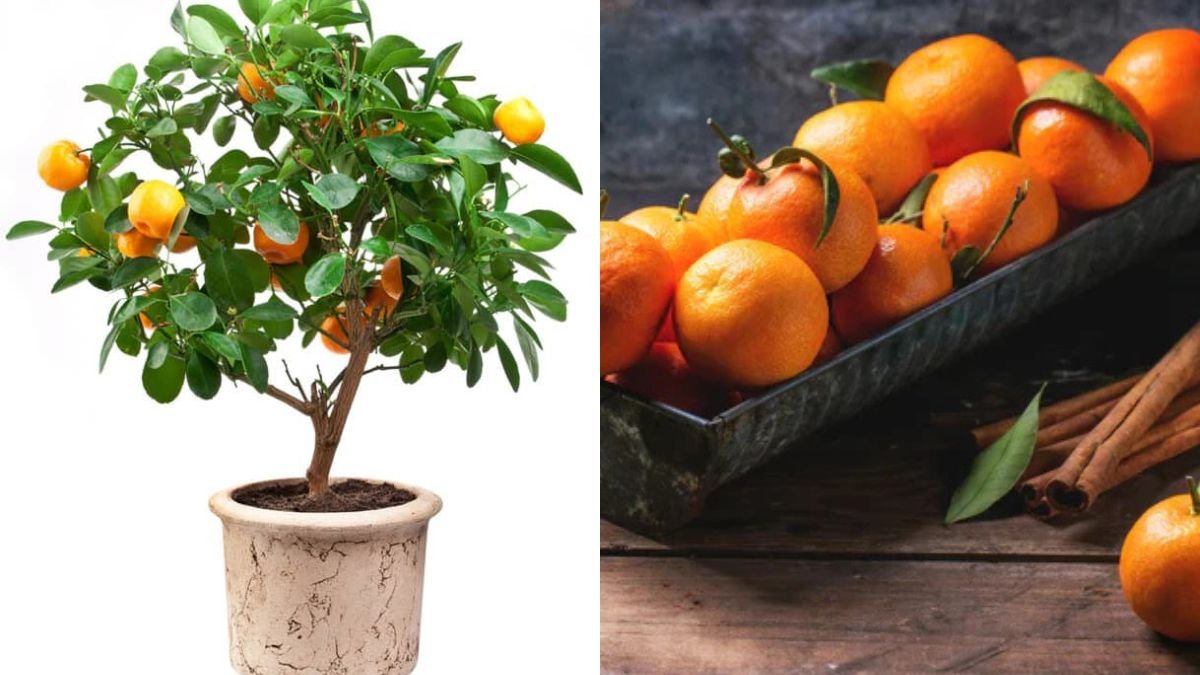
Introduction to Growing Oranges in a Pot
Growing oranges in a pot is ideal for urban gardeners with limited space. Container cultivation allows better control of soil, water, and nutrients. Chinese orange varieties are compact and well-suited for pots. With proper care, a single potted tree can produce abundant fruits. Container-grown oranges are chemical-free and flavorful. Pruning, fertilization, and watering are critical for productivity. This guide provides step-by-step instructions for maximizing fruit yield. Urban gardeners can enjoy fresh oranges year-round.
Choosing the Right Chinese Orange Variety
Select dwarf or semi-dwarf varieties suitable for container growth. Popular options include Nagami, Trovita, and Chinese Sweet Orange. Dwarf varieties produce more manageable trees. Fruit quality varies by variety. Compact trees fruit earlier than seedling-grown ones. Variety selection affects care, fruit size, and yield. Choose a variety adapted to your climate. Proper selection ensures success in pots.
Selecting a Suitable Container
Choose a pot at least eighteen inches deep and wide. Ensure multiple drainage holes to prevent waterlogging. Material can be plastic, ceramic, or clay. Heavy pots provide stability for mature trees. Container size directly influences root growth and fruit production. Larger pots reduce the need for frequent repotting. Proper container choice ensures healthy, fruiting trees. Stability is essential for heavy fruits.
Soil Preparation for Potted Oranges
Use fertile, well-draining soil. A mix of garden soil, compost, and sand works well. Slightly acidic to neutral pH is ideal. Avoid water-retaining heavy soils. Organic matter improves nutrient availability. Fertile soil promotes flowering and fruiting. Regular soil replacement or topping up is recommended. Healthy soil supports consistent yields.
Planting the Orange Tree in the Pot
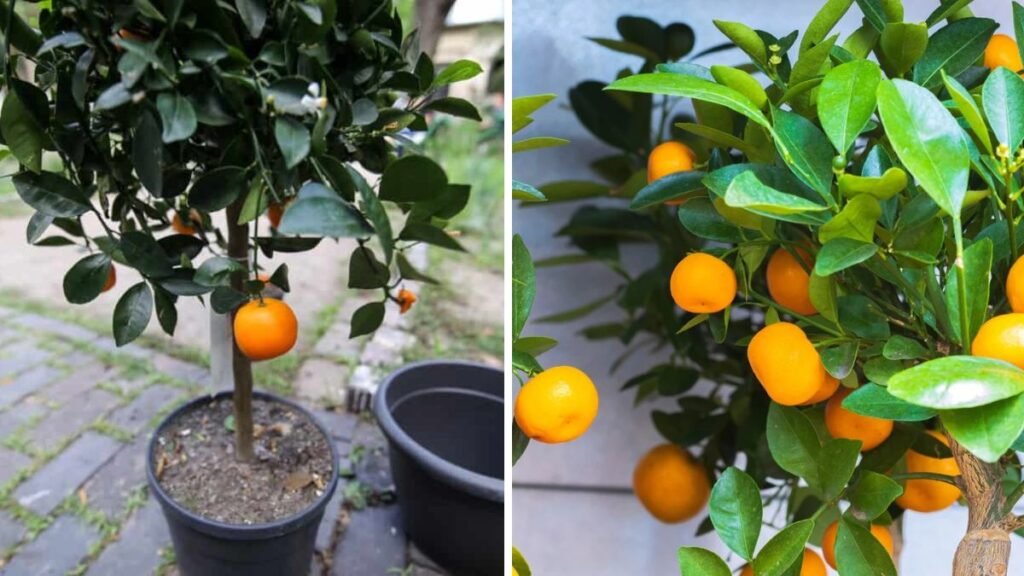
Place sapling gently in soil, keeping roots intact. Cover roots lightly and water thoroughly. Mulch around the base to retain moisture. Avoid compacting soil over roots. Place the pot in bright sunlight. Proper planting ensures establishment and long-term growth. Container positioning affects sunlight exposure. Correct planting boosts fruit yield.
Watering Schedule for Container Oranges
Maintain consistently moist soil. Water more frequently during hot weather. Reduce watering during cooler months. Avoid stagnant water at the bottom. Container-grown trees dry faster than ground plants. Balanced hydration supports healthy leaves and fruit. Overwatering leads to root rot. Monitor soil moisture regularly.
Fertilizing for Maximum Fruit Yield
Use organic fertilizers monthly during growing season. Compost, vermicompost, or slow-release fertilizers are ideal. Nitrogen promotes foliage growth. Potassium and phosphorus enhance flowering and fruiting. Reduce feeding during winter or dormant periods. Balanced nutrition improves fruit size and quantity. Regular fertilization ensures abundant harvest. Organic care improves fruit quality.
Pruning for Fruit Productivity
Prune branches to maintain a balanced canopy. Remove dead, weak, or crossed branches. Light pruning encourages new shoots and flowers. Proper shaping allows sunlight penetration and airflow. Avoid heavy pruning during flowering. Pruning improves fruit set. Container trees benefit from controlled size. Correct pruning increases overall yield.
Mulching Benefits in Containers
Mulch retains soil moisture and moderates temperature. Use straw, leaf litter, or organic mulch. Mulching suppresses weeds and improves fertility. Keep mulch slightly away from the trunk. Mulching reduces watering frequency. Enhances root growth. Organic mulch benefits container trees. Proper mulching supports heavy fruiting.
Pest and Disease Management
Monitor for aphids, mealybugs, and scale insects. Neem oil or organic insecticides are effective. Fungal infections may appear in overwatered soil. Remove affected leaves promptly. Maintain airflow around the tree. Healthy container trees resist most pests. Early intervention ensures high fruit yield. Regular monitoring is essential.
Sunlight Requirements
Container oranges require full sun for maximum fruit production. At least six to eight hours of sunlight per day is ideal. Partial shade reduces flower and fruit development. Morning sunlight is best for young plants. Adjust pot location seasonally. Proper sunlight ensures strong growth. Observing leaf color helps manage light exposure. Sunlight directly affects yield.
Flowering and Pollination
Flowering occurs in spring or early summer. Flowers are fragrant and white. Container-grown trees may require gentle hand pollination. Healthy nutrition and watering encourage bloom. Stress-free conditions improve fruit set. Flowers turn into small green fruits initially. Regular monitoring supports fruit development. Proper care enhances pollination success.
Fruit Development and Maturation
Fruits gradually increase in size. Consistent watering and nutrition ensure even growth. Container trees may require support for heavy fruits. Avoid excessive pruning during fruit development. Harvest when oranges turn fully colored. Proper care ensures quality and sweetness. Container trees produce fewer but larger fruits. Observation prevents overloading.
Harvesting Tips for Abundant Yield
Pick fully colored oranges carefully. Regular harvesting encourages continuous production. Avoid bruising fruits. Use shallow trays for collection. Wash fruits before consumption. Handle carefully to maintain quality. Harvest timing affects sweetness. Proper harvesting practices improve overall yield.
Seasonal Care for Potted Oranges
Adjust watering and fertilization based on season. Protect from frost or extreme heat. Mulch during dry periods. Provide shade during intense sun. Reduce fertilization during dormancy. Monitor for seasonal pests. Adapt care based on plant response. Seasonal adjustments maintain fruiting and tree health.
Container Maintenance
Repot every two to three years or when roots fill the pot. Maintain soil fertility and drainage. Remove debris and weeds. Adjust pot position for sunlight. Prune lightly each season. Mulch regularly. Organic feeding supports long-term growth. Consistent container care ensures abundant harvest.
Table: Container Orange Tree Care
| Aspect | Requirement |
|---|---|
| Container | Eighteen inches deep and wide with drainage |
| Soil | Fertile, well-draining, slightly acidic |
| Watering | Keep soil moist, avoid waterlogging |
| Sunlight | Full sun six to eight hours per day |
| Fertilizer | Organic monthly during growing season |
| Fruiting Time | Two to three years for dwarf varieties |
Benefits of Growing Oranges in Pots
Fresh, chemical-free oranges at home. Container cultivation suits urban gardens. Enhances balcony or terrace aesthetics. Provides vitamin C, antioxidants, and minerals. Cost-effective and sustainable. Encourages regular gardening habits. Easy control over soil, water, and nutrition. Homegrown oranges are flavorful and healthy.
Common Mistakes to Avoid
Overwatering leads to root rot. Insufficient sunlight reduces flowering. Heavy chemical fertilizers damage roots. Crowded branches reduce fruiting. Using small pots restricts root growth. Neglecting pruning affects yield. Impatience leads to improper care. Awareness prevents common errors and ensures success.
Long-Term Care for Continuous Fruit Production
Repot container trees periodically. Maintain soil fertility and pH. Prune lightly to shape canopy. Mulch regularly to retain moisture. Adjust water and sunlight based on season. Organic feeding promotes flowering and fruiting. Monitor for pests and diseases. Consistent long-term care maximizes yield.
Conclusion
Growing Chinese orange trees in pots is practical and rewarding. Proper container selection, soil preparation, watering, fertilization, and pruning ensure high yields. Container trees produce chemical-free, flavorful oranges. Sunlight and seasonal adjustments directly influence fruit quantity. Patience is key, as fruiting begins after two to three years. Homegrown potted oranges enhance urban gardening and provide a sustainable fruit source. Start growing your orange tree today.