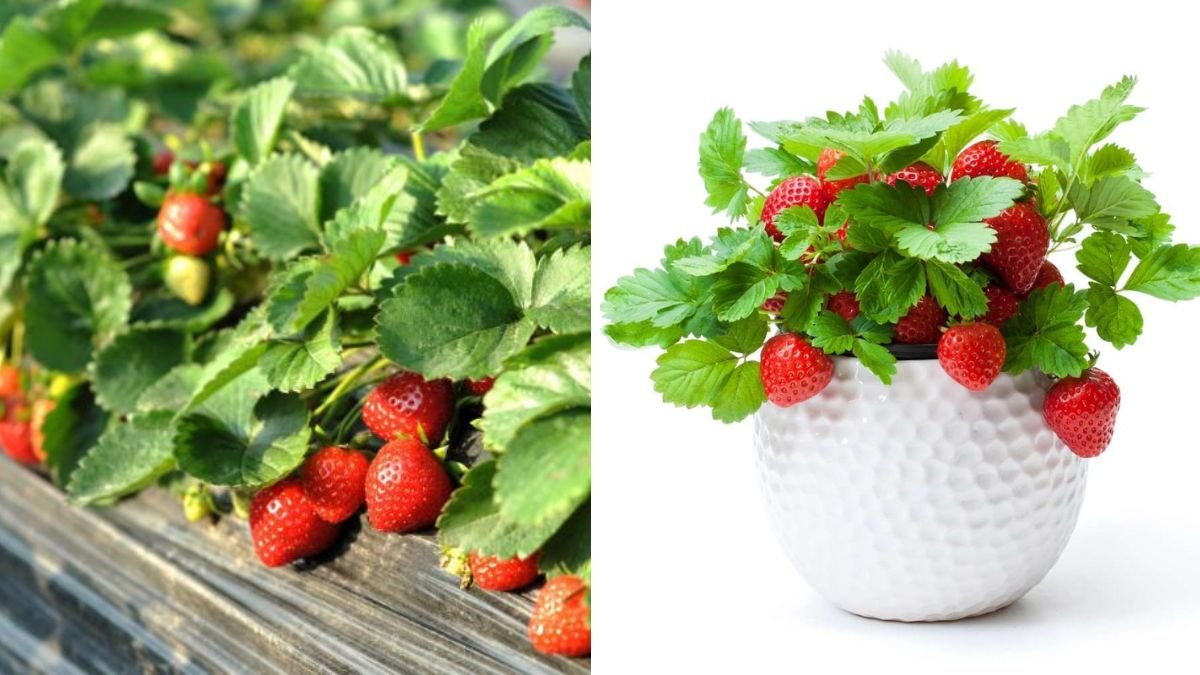
Introduction to Strawberry Leaf Management
Strawberry leaves play a vital role in plant health. They help in photosynthesis and fruit development. Proper pruning improves airflow and sunlight. Many beginners ignore leaf care. This reduces fruit size and yield. Understanding leaf growth improves productivity. Pruning keeps plants disease free. This guide explains leaf care in detail.
Understanding Strawberry Leaf Growth
Strawberry plants produce many leaves quickly. Leaves support energy production. Old leaves lose efficiency over time. New leaves promote growth. Balanced leaf count is important. Too many leaves reduce fruit quality. Observing leaf stages helps care. Healthy leaves mean healthy plants.
Role of Leaves in Strawberry Fruiting
Leaves convert sunlight into energy. Energy supports flowering and fruiting. Weak leaves reduce fruit sweetness. Strong leaves improve berry size. Removing unhealthy leaves redirects energy. Leaf balance improves yield. Healthy foliage is essential. Leaves directly affect harvest quality.
Identifying Healthy Strawberry Leaves
Healthy leaves are green and firm. They have smooth edges. Leaf veins are visible. No spots or discoloration appear. Healthy leaves stand upright. Glossy surface indicates vigor. Consistent color shows nutrition balance. Observation helps early detection.
Identifying Diseased or Old Leaves
Old leaves turn yellow or brown. Diseased leaves show spots or mold. Damaged leaves attract pests. Removing them prevents spread. Leaves touching soil rot easily. Early removal is important. Diseased foliage weakens plants. Clean plants grow better.
When to Prune Strawberry Leaves
Pruning is done after harvesting. Remove old leaves in late season. Avoid heavy pruning during fruiting. Spring pruning is light. Summer pruning improves airflow. Timing affects recovery. Correct pruning prevents stress. Seasonal awareness is important.
How to Prune Strawberry Leaves Properly
Use clean, sharp scissors. Cut leaves at the base. Avoid damaging the crown. Remove only unhealthy foliage. Do not over prune. Gentle pruning is effective. Clean tools prevent disease. Proper technique ensures recovery.
Removing Runners and Extra Growth
Runners consume plant energy. Remove runners if fruiting is priority. Allow runners only for propagation. Excess growth reduces yield. Pruning runners improves berry size. Control growth direction. Balanced growth improves harvest. Runners require management.
Leaf Pruning for Container Strawberries
Container plants need regular pruning. Space is limited. Remove overcrowded leaves. Improve airflow in pots. Container soil stays moist longer. Leaf pruning prevents fungal issues. Clean plants grow stronger. Container care requires attention.
Pruning During Different Seasons
Spring pruning focuses on cleaning. Summer pruning improves airflow. Autumn pruning prepares plants for rest. Winter pruning is minimal. Seasonal pruning prevents stress. Each season has a purpose. Correct timing improves health. Consistent care is essential.
Impact of Pruning on Fruit Size
Pruned plants produce larger fruits. Energy redirects to berries. Fewer leaves mean better sunlight penetration. Improved airflow enhances pollination. Fruits develop evenly. Sweetness improves with pruning. Yield quality increases. Proper pruning makes a difference.
Pruning and Pest Prevention
Dense foliage attracts pests. Pruning reduces hiding spots. Better airflow discourages fungus. Remove infected leaves immediately. Neem oil works better on open plants. Clean plants resist pests. Prevention saves effort. Leaf care supports protection.
Fertilizing After Leaf Pruning
Plants need nutrients after pruning. Apply light organic fertilizer. Compost supports recovery. Avoid strong chemicals. Water after feeding. Balanced nutrition aids regrowth. Healthy leaves return quickly. Feeding supports healing.
Watering Practices After Pruning
Water gently after pruning. Avoid water on cuts. Soil moisture should be balanced. Overwatering delays recovery. Underwatering stresses plants. Mulching helps moisture retention. Observe plant response. Adjust watering accordingly.
Strawberry Leaf Care in Hot Weather
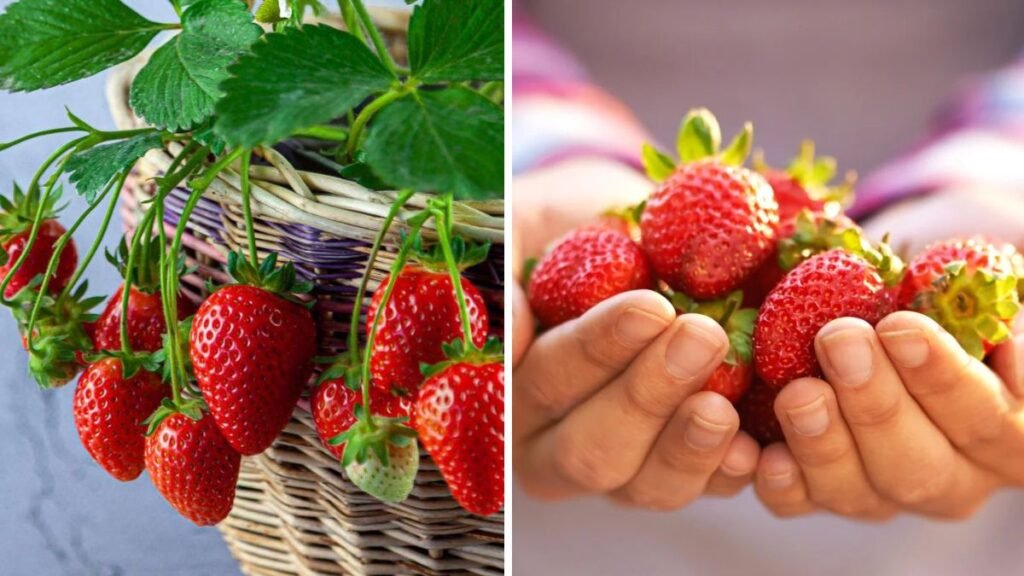
Heat stresses strawberry leaves. Remove damaged leaves promptly. Provide shade during extreme heat. Water in early morning. Mulch reduces temperature stress. Leaf care reduces evaporation. Plants recover faster. Heat management is essential.
Strawberry Leaf Care in Cold Weather
Cold causes leaf damage. Remove frost-damaged leaves. Protect plants with mulch. Reduce watering in cold. Avoid heavy pruning. Leaves protect crown. Gentle care prevents injury. Winter protection ensures survival.
Table: Strawberry Leaf Pruning Guide
| Stage | Action | Benefit |
|---|---|---|
| After harvest | Remove old leaves | Boost regrowth |
| During fruiting | Light pruning only | Protect yield |
| Hot season | Remove damaged leaves | Reduce stress |
| Container plants | Regular pruning | Improve airflow |
Common Pruning Mistakes
Over-pruning weakens plants. Cutting crown damages growth. Pruning during peak fruiting reduces yield. Using dirty tools spreads disease. Ignoring leaf health causes problems. Learning correct methods prevents loss. Mistakes slow recovery. Proper technique matters.
Benefits of Proper Strawberry Leaf Care
Better airflow reduces disease. Fruits grow larger and sweeter. Plants live longer. Maintenance becomes easier. Pest problems reduce naturally. Healthy plants look attractive. Productivity increases. Leaf care is essential.
Conclusion
Strawberry leaf management directly affects yield. Proper pruning improves airflow and fruit quality. Removing unhealthy leaves prevents disease. Balanced care keeps plants productive. Simple techniques make a big difference. Beginners can easily learn pruning. Healthy leaves lead to healthy fruits. Care for leaves to enjoy better harvests.