1. Introduction to Nanche
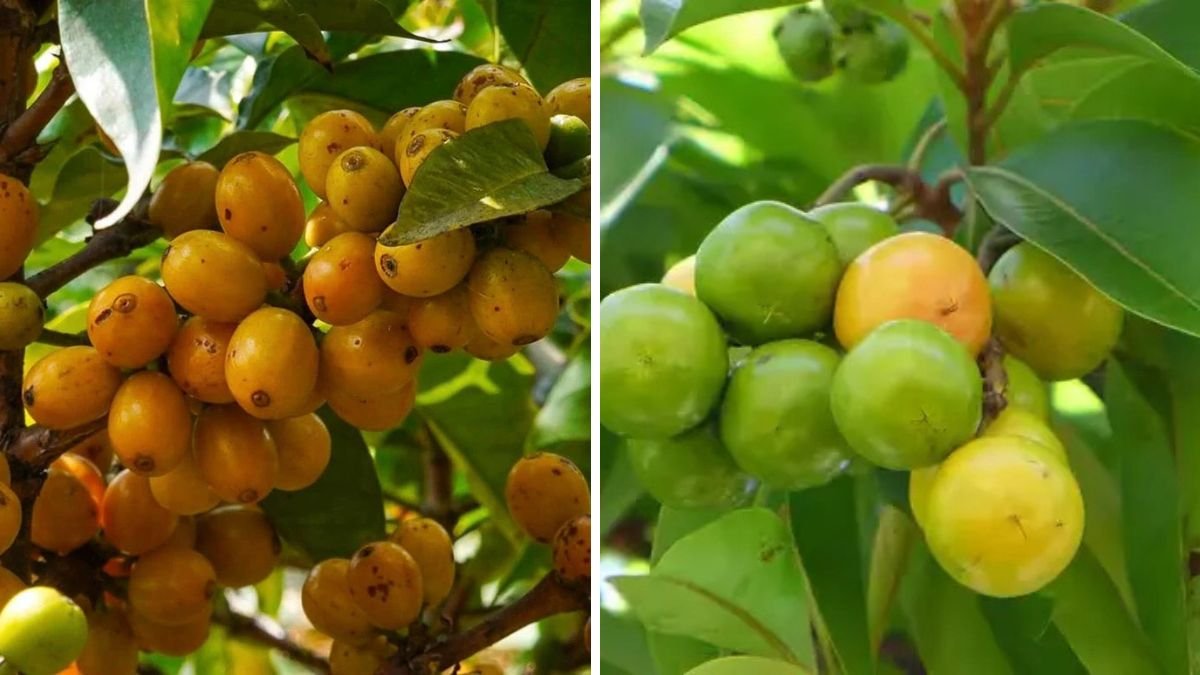
Nanche, also called Nance or Hogberry, is a tropical fruit native to Central and South America. Its small yellow fruits are sweet and aromatic. Nanche is commonly used in juices, jams, and fermented drinks. Traditional medicine uses the fruit for digestive health. Home gardeners are adopting Nanche for personal consumption and small-scale sale. The tree is hardy and adaptable. With proper care, it can thrive in a variety of conditions. This article explores cultivation and uses in detail.
2. Botanical Profile
Nanche belongs to the Malpighiaceae family. It grows as a medium-sized tree. Leaves are thick, evergreen, and leathery. Flowers are small, white, and clustered. Fruits develop in bunches along branches. Deep root systems support resilience. Understanding the botanical profile guides care. Growth patterns inform pruning and support needs.
3. Natural Habitat
Nanche is naturally found in tropical forests. It adapts well to both humid and semi-dry areas. The plant thrives on mountain slopes and valleys. High sun exposure supports fruiting. Soil fertility varies in native habitats. Environmental adaptation makes it easy to cultivate elsewhere. Wild Nanche provides genetic diversity. Habitat knowledge informs planting choices.
4. Climate Requirements
Warm temperatures favor growth. Frost is detrimental, especially to young trees. Moderate rainfall supports development. Dry periods require irrigation. High humidity improves fruit quality. Wind protection enhances vine survival. Climate stability encourages flowering and fruiting. Ideal climate ensures productivity.
5. Soil Requirements
Well-draining soil is critical. Sandy loam with organic matter works best. Slightly acidic to neutral pH is preferred. Heavy clay is unsuitable. Soil fertility affects fruit size and sweetness. Raised beds improve drainage. Mulching maintains soil moisture. Fertile soil promotes healthy growth.
6. Planting Material Selection
Use healthy seedlings or grafted saplings. Avoid diseased or weak plants. Seed propagation is possible but slower. Local nurseries often provide the best quality. Quality planting material affects long-term yield. Early investment ensures successful establishment. Seedlings should have strong roots. Selection is the first step toward success.
7. Planting Method
Plant during rainy season for better survival. Dig holes larger than the root ball. Mix compost into the soil. Position seedlings carefully. Water immediately after planting. Mulch around the base to retain moisture. Space trees adequately for canopy growth. Proper planting ensures vigorous establishment.
8. Sunlight Exposure
Nanche prefers full sun for optimal fruiting. Young trees tolerate partial shade. Direct sunlight promotes flowering. Excessive shade reduces yield. Sunlight affects fruit sweetness. Orientation and tree spacing are important. Balanced light ensures healthy growth. Proper exposure boosts productivity.
9. Watering Practices
Water young plants regularly. Established trees tolerate moderate drought. Overwatering can lead to root rot. Deep watering encourages strong roots. Mulching helps retain moisture. Adjust based on rainfall and climate. Avoid waterlogging. Proper irrigation supports flowering and fruit development.
10. Fertilization
Apply organic compost regularly. Nitrogen supports foliage growth. Phosphorus and potassium promote flowering and fruiting. Avoid excessive chemical fertilizers. Fertilize during active growth seasons. Balanced nutrition enhances fruit quality. Fertilization ensures robust trees. Consistent feeding improves yield.
11. Pruning
Light pruning improves air circulation. Remove dead or crowded branches. Shape trees for ease of harvesting. Avoid heavy pruning. Regular monitoring ensures branch health. Pruning enhances sunlight penetration. Well-structured trees support more fruit. Pruning prevents disease and maintains vigor.
12. Flowering
Flowers bloom seasonally. Small white clusters develop along branches. Flower health affects fruiting success. Sunlight and nutrition influence bloom. Pollination determines fruit set. Flower observation helps predict yield. Seasonal flowering indicates maturity. Healthy trees flower profusely.
13. Pollination
Pollination is mainly insect-driven. Bees are important pollinators. Hand pollination can increase yield. Poor pollination causes sparse fruits. Timing is critical. Flower handling should be gentle. Effective pollination ensures maximum fruiting. Observation improves outcomes.
14. Fruit Development
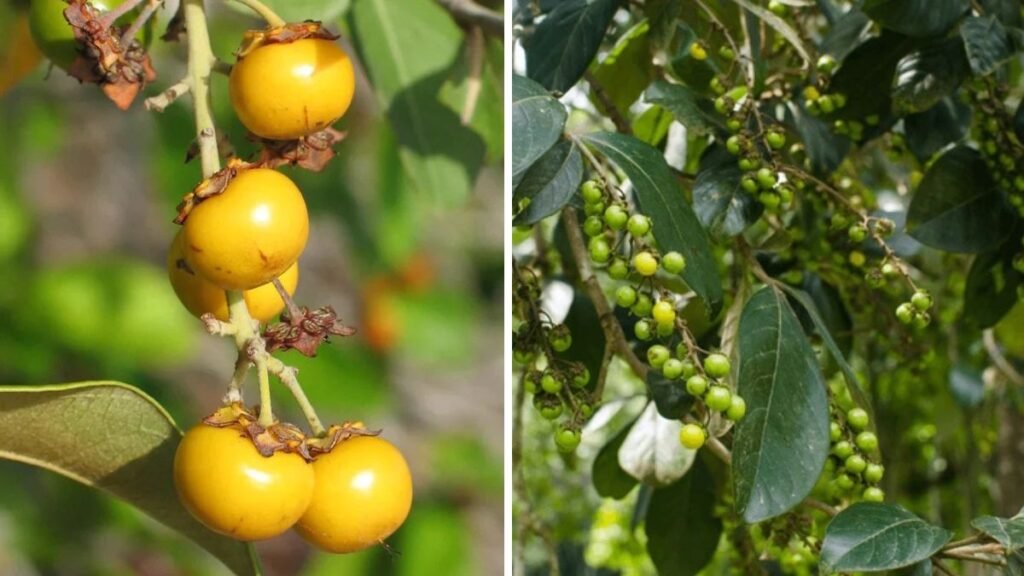
Green fruits develop gradually into yellow. Fruit size depends on nutrition and water. Stress leads to fruit drop. Fruits grow in clusters. Full maturity enhances sweetness. Fruit development takes several months. Proper care is essential. Timing affects harvest quality.
15. Pest and Disease Management
Nanche is pest-resistant but vulnerable to aphids and mites. Neem oil is effective. Fungal infections occur in wet climates. Regular inspection is needed. Healthy trees tolerate minor infestations. Preventive care reduces damage. Monitor throughout the season. Early action ensures better yields.
16. Harvesting
Harvest fruits when fully yellow. Handle by hand carefully. Use pruning shears for clusters. Avoid harvesting during rain. Gentle handling prevents bruising. Proper timing improves sweetness. Frequent checks ensure optimal harvest. Harvest technique affects quality.
17. Post-Harvest Handling
Wash fruits after picking. Store in cool, ventilated areas. Fresh consumption is recommended. Fruits can be processed into beverages and jams. Avoid prolonged storage to maintain taste. Packaging improves market value. Post-harvest hygiene is critical. Care ensures shelf life.
18. Culinary Uses
Nanche is used in beverages, candies, jams, and fermented drinks. Its tangy-sweet flavor adds value. Juice extraction is popular. Fermented beverages enhance flavor. Desserts benefit from unique aroma. Nutritional content adds appeal. Culinary versatility improves marketability. Uses vary by region.
19. Economic Importance
Nanche has strong market potential. Local consumption is high. Processing adds value. Low maintenance makes it profitable. Export potential is emerging. Farmers gain income diversification. Sustainable practices enhance benefits. Economic opportunities are significant.
20. Conclusion
Nanche, or Nance, is a hardy and valuable tropical fruit. Its cultivation is adaptable and rewarding. Understanding climate, soil, watering, and nutrition improves yield. Flowering, pollination, and proper harvest timing are critical. Post-harvest care ensures quality fruits. Culinary, medicinal, and economic benefits are substantial. Nanche is ideal for home gardens and commercial production. Knowledge and consistent care lead to success.
📊 Table: Nance Fruit Cultivation Overview
| Aspect | Requirement | Benefit |
|---|---|---|
| Climate | Tropical/subtropical | Healthy growth |
| Soil | Well-draining, fertile | Strong roots and yield |
| Sunlight | Full sun | Maximum flowering and sweetness |
| Water | Consistent, moderate | Prevents stress and fruit drop |