1. Introduction to My First Snake Fruit Experience
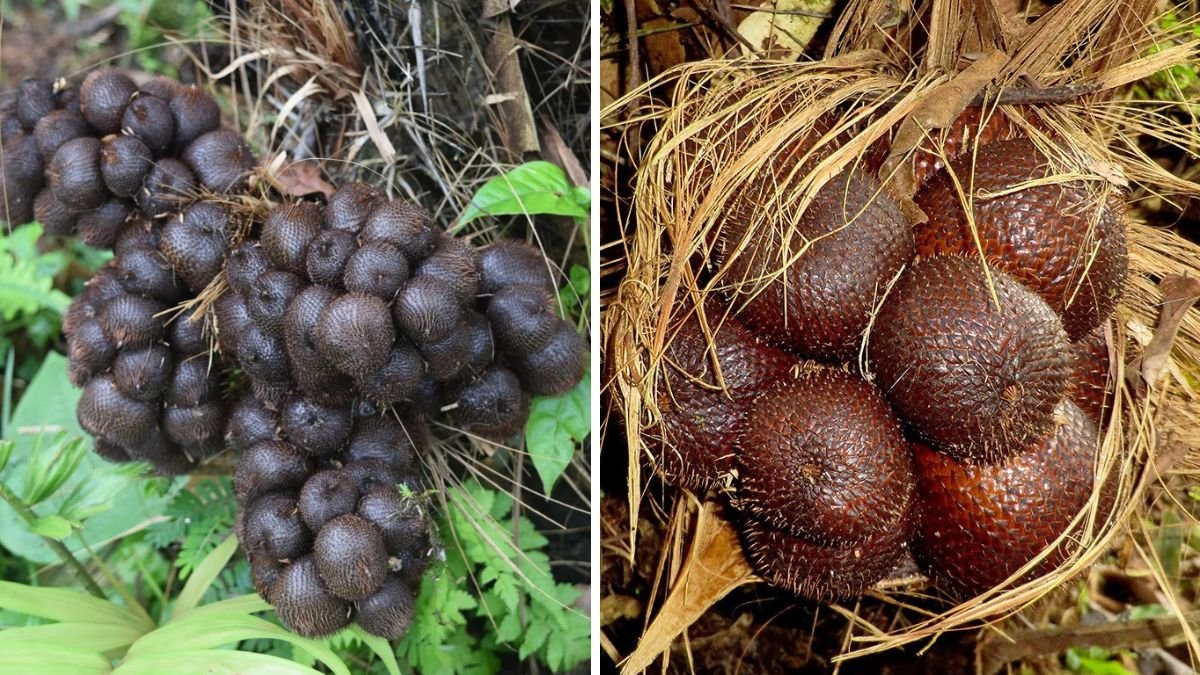
Growing my first snake fruit, also known as salak, was a unique and exciting gardening experience. Snake fruit is famous for its scaly skin and sweet-tangy flavor. Native to Southeast Asia, it is rarely grown by home gardeners outside tropical regions. This made my journey even more special. From planting to harvesting, every stage required patience and observation. Salak grows differently from most fruit trees. Understanding its needs was essential for success. This article shares real experiences and practical lessons. It is designed to help beginners feel confident growing salak.
2. What Is Snake Fruit (Salak)?
Snake fruit is a tropical palm species scientifically called Salacca zalacca. It grows as a clumping palm with sharp spines along its stems. The fruit gets its name from its reddish-brown scaly skin. Inside, the flesh is creamy, crisp, and aromatic. Flavor varies from sweet to slightly acidic. Unlike common fruit trees, salak grows close to the ground. It thrives in warm and humid climates. Understanding its botanical nature helps in proper care. Knowing the plant’s structure prevents common mistakes.
3. Why I Chose to Grow Snake Fruit
I chose snake fruit because it is rare and exotic. Most people have never seen it growing. I wanted a challenging plant that offered something different. Salak is also highly nutritious and flavorful. Growing it at home felt rewarding. The idea of harvesting my own tropical fruit was exciting. It also adds ornamental value to the garden. The spiky palm structure looks unique. This choice turned my garden into a conversation starter.
4. Climate and Growing Conditions Needed
Snake fruit prefers warm, humid conditions throughout the year. Temperatures should remain consistently above twenty degrees Celsius. Cold weather slows growth significantly. High humidity supports healthy leaves and fruit development. Partial shade works better than full sun. Protection from strong wind is important. Indoor or greenhouse growing is possible in cooler climates. Mimicking tropical conditions is the key to success.
5. Choosing the Right Plant or Seed
Beginners can start with seeds or young plants. Seeds must be fresh for good germination. Older seeds lose viability quickly. I chose a young plant to save time. Healthy plants have green leaves and strong roots. Avoid plants with yellowing or damaged foliage. Starting with quality planting material reduces failure risk. Good selection ensures faster establishment. This step sets the foundation for the entire journey.
6. Preparing the Soil for Salak
Snake fruit needs rich, well-draining soil. I prepared soil using garden soil, compost, cocopeat, and sand. Organic matter improves moisture retention. Drainage prevents root rot. Slightly acidic soil suits salak best. Loose soil allows roots to spread easily. Heavy clay soil should be avoided. Soil preparation directly affects growth speed and health.
7. Planting Process and Initial Care
Planting salak requires care due to its spines. Gloves are recommended. I planted it at the same depth as its original container. Soil was gently pressed around the roots. Watering was done immediately after planting. The plant was kept in partial shade. Initial care focused on reducing stress. Proper planting ensured quick adjustment. Early attention prevented transplant shock.
8. Watering Routine and Moisture Control
Snake fruit loves consistent moisture. I watered the plant regularly without waterlogging. Mulching helped retain moisture. During hot months, watering frequency increased. In cooler periods, it was reduced. Overwatering caused leaf stress initially, which taught me balance. Soil moisture consistency is essential. Correct watering keeps roots healthy. Moisture management improved overall growth.
9. Importance of Humidity for Salak
High humidity is crucial for salak. Dry air causes leaf browning. I used regular misting to maintain humidity. Mulching also helped retain soil moisture. In dry climates, shade and wind protection are necessary. Indoor growers may use humidifiers. Healthy humidity supports leaf expansion and flowering. Maintaining humidity made a noticeable difference.
10. Fertilization and Nutrient Needs
Salak responds well to organic feeding. I used compost and vermicompost regularly. Liquid organic fertilizer was applied monthly. Nitrogen supported leaf growth. Potassium helped fruit development later. Overfeeding was avoided. Balanced nutrition strengthened the plant. Feeding consistency produced visible results.
11. Managing Spines and Safety
Salak plants have sharp spines. Handling requires caution. Gloves and long sleeves are recommended. Regular maintenance prevents accidental injury. Trimming dead leaves reduces risk. Awareness improves safety. Proper spacing helps avoid contact. Learning to manage spines made care easier. Safety should always come first.
12. Growth Pattern and Plant Development
Salak grows slowly during the first year. Energy focuses on root development. New shoots emerge from the base. Leaves gradually increase in size. Growth accelerates once established. Observing growth patterns helped adjust care. Patience was essential. Understanding development stages prevents unrealistic expectations.
13. Flowering Stage of Snake Fruit
Flowering occurs after several years. Salak plants can be male or female. Pollination is required for fruiting. In home gardens, hand pollination may be needed. Flowers grow near the base. Proper nutrition supports flowering. This stage is exciting and rewarding. Flower appearance signals maturity.
14. Pollination and Fruit Set
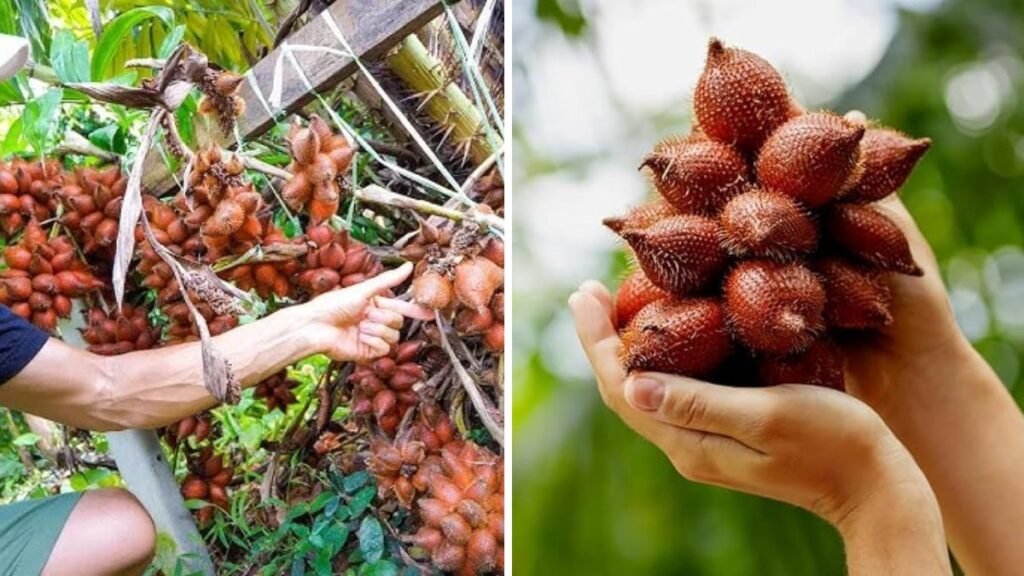
Pollination determines fruit success. I observed insects assisting pollination. In some cases, hand pollination improves results. Successful pollination leads to fruit formation. Fruits grow in clusters near the ground. Consistent care supports fruit set. Pollination knowledge improves yield. This stage requires observation.
15. Fruit Development and Maturation
Fruits take several months to mature. Skin color changes gradually. Fruits grow firm and aromatic. Regular watering supports development. Avoid stress during this stage. Maturity timing depends on climate. Observing fruit changes helps determine harvest time. Development is slow but satisfying.
16. Harvesting My First Snake Fruit
Harvesting my first snake fruit was memorable. Fruits were gently twisted from the stem. Gloves protected from spines. Ripe fruits had rich color and firm texture. Taste was sweet and refreshing. Harvest timing affected flavor. Freshly harvested salak tasted superior. This moment rewarded all efforts.
17. Taste and Quality of Homegrown Salak
Homegrown snake fruit tasted better than store-bought. Flesh was crisp and aromatic. Flavor balanced sweetness and acidity. Freshness made a big difference. Texture was firm and juicy. Home cultivation improved quality. Growing your own fruit enhances appreciation. Taste validated the effort.
18. Common Problems and Solutions
I faced slow growth initially. Adjusting humidity helped. Yellow leaves indicated nutrient deficiency. Adding compost solved it. Pests were minimal but monitored. Good airflow prevented fungal issues. Early problem detection is crucial. Learning from mistakes improved results. Challenges are part of gardening.
19. Lessons Learned from My First Harvest
Patience is essential with salak. Proper environment matters more than speed. Consistent care produces results. Observation improves decision-making. Exotic fruits need specialized attention. Learning continues with each season. Experience builds confidence. This journey was educational and rewarding.
20. Conclusion
Growing my first snake fruit was a fulfilling experience. From planting to harvest, every stage taught valuable lessons. Salak requires patience, humidity, and proper care. Despite challenges, the reward is worth it. Homegrown snake fruit tastes exceptional. With dedication, beginners can succeed. This journey proves exotic fruit growing is possible. Salak deserves a place in tropical gardens.
📊 Snake Fruit Growing Summary Table
| Aspect | Requirement | Benefit |
|---|---|---|
| Climate | Warm and humid | Healthy growth |
| Soil | Rich and well-draining | Strong roots |
| Water | Consistent moisture | Fruit development |
| Care | Patience and protection | Successful harvest |