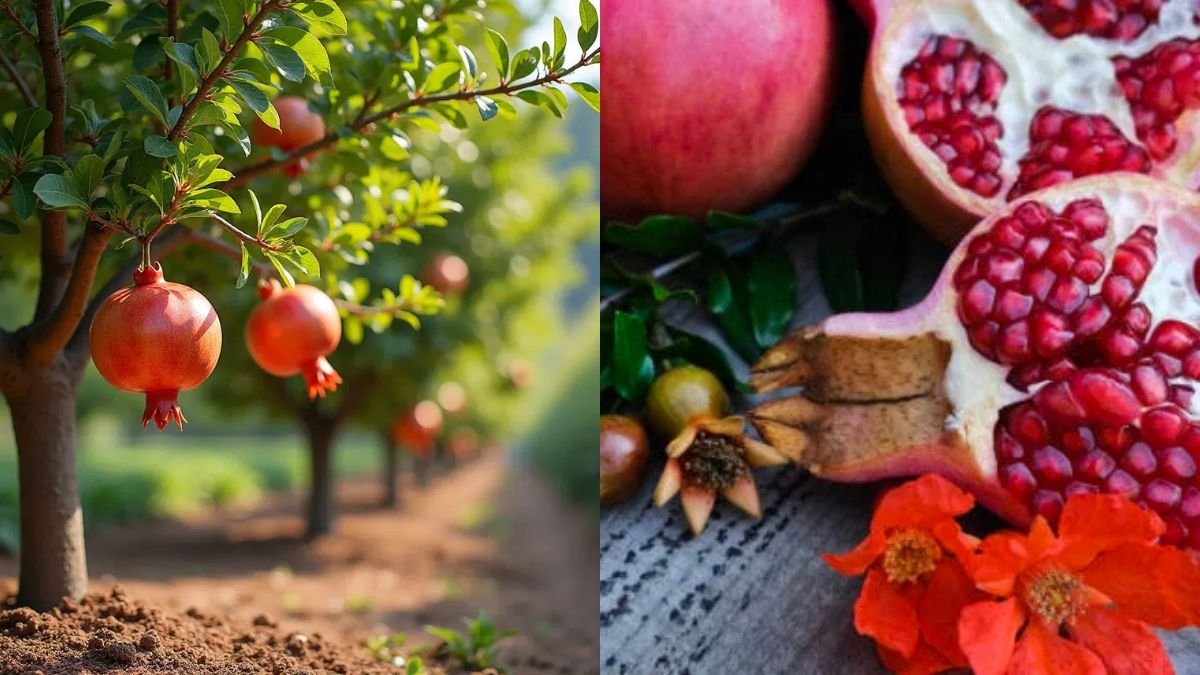
Introduction to Seed-Grown Pomegranate Trees
Growing a pomegranate tree from seed is a simple and natural process. Many gardeners enjoy starting trees from seeds. Pomegranate trees adapt well to different environments. Seed-grown trees are stronger and long-lasting. This guide explains the complete process. Beginners can easily follow. Proper care ensures success. Growing from seed builds gardening skills.
Why Grow Pomegranate from Seed
Seed growing is cost-effective and educational. It allows gardeners to understand growth stages. Seedlings adapt better to surroundings. Growing from seed avoids graft dependency. It is ideal for home gardening. Watching growth builds confidence. Seed-grown trees last longer. The experience is rewarding.
Selecting Fresh Seeds for Best Results
Fresh seeds germinate faster. Choose ripe pomegranates for seeds. Clean seeds thoroughly. Avoid damaged seeds. Healthy seeds improve success rate. Quality selection saves effort. Always start with the best seeds. Preparation begins here.
Seed Cleaning and Soaking Process
Wash seeds to remove pulp. Soak them in water for 24 hours. Soaking improves germination speed. Do not over-soak. Dry lightly before planting. Clean seeds reduce disease risk. Preparation is important. This step improves success.
Germination Methods Explained
Seeds can be planted directly in soil. Paper towel method also works. Soil method is more natural. Maintain moisture consistently. Warmth is essential. Germination takes time. Avoid frequent checking. Let seeds grow naturally.
Soil Preparation for Seedlings

Loose soil promotes root growth. Mix compost and sand with soil. Drainage is essential. Avoid compact soil. Soil quality affects growth speed. Healthy soil supports seedlings. Invest in good soil. Roots grow better.
Planting the Germinated Seed
Plant seeds gently in soil. Cover lightly. Water carefully. Avoid deep planting. Place pot in warm area. Do not disturb roots. Early care is delicate. Growth begins slowly.
Sunlight Needs of Pomegranate Seedlings
Seedlings need bright light. Gradual exposure to sun is best. Avoid harsh midday sun initially. Sunlight strengthens plants. Indoor plants need window light. Light affects growth quality. Balanced exposure is important. Healthy leaves indicate success.
Watering Practices for Seed-Grown Trees
Water when soil surface dries slightly. Avoid standing water. Overwatering damages roots. Consistent moisture supports growth. Use room-temperature water. Proper watering builds strong roots. Balance is key. Observation helps.
Fertilization for Healthy Growth
Start feeding after one month. Use organic fertilizers. Apply monthly during growth season. Avoid excessive feeding. Nutrients improve vigor. Compost is best choice. Balanced nutrition supports health. Less is more.
Transplanting to Larger Pots
Repot seedlings as roots grow. Choose deeper pots. Handle roots gently. Use fresh soil. Water after transplanting. Allow recovery time. Transplanting supports growth. Avoid frequent disturbance.
Outdoor Planting Guidelines
Outdoor planting suits warm climates. Choose sunny location. Prepare soil well. Protect from frost. Outdoor trees grow faster. Space is important. Mulching helps moisture retention. Outdoor care differs slightly.
Growth Rate and Expectations
Seed-grown trees grow slowly. Early growth focuses on roots. Height increases later. Flowering takes time. Fruiting occurs after years. Patience is required. Growth improves with care. Understanding expectations avoids frustration.
Pruning and Training Young Trees
Pruning improves shape. Remove weak branches. Encourage strong structure. Prune during dormant season. Avoid excessive cutting. Proper training improves yield. Shaping early helps later. Healthy structure matters.
Pest and Disease Management
Pomegranate trees are pest-resistant. Aphids may appear occasionally. Neem oil is effective. Maintain cleanliness. Good airflow prevents disease. Healthy plants resist pests. Early detection helps. Natural methods are best.
Table: Seed-Grown Pomegranate Care Guide
| Care Aspect | Recommendation |
|---|---|
| Seed Type | Fresh ripe seeds |
| Soil | Loose and fertile |
| Light | Full sunlight |
| Water | Moderate |
| Growth Speed | Medium |
Indoor vs Outdoor Tree Growth
Indoor trees grow slower. Outdoor trees grow stronger. Indoor control is easier. Outdoor space improves size. Choose based on location. Both methods work well. Adjust care accordingly. Planning ensures success.
Long-Term Care and Maintenance
Regular pruning improves yield. Fertilize seasonally. Monitor soil moisture. Protect from extreme cold. Maintain soil health. Long-term care ensures longevity. Healthy trees produce better fruit. Consistency is essential.
Environmental and Health Benefits
Pomegranate trees improve air quality. Fruits are rich in antioxidants. Home gardening reduces stress. Trees enhance beauty. Growing fruit promotes sustainability. Healthy lifestyle benefits increase. Small gardens make impact. Nature rewards effort.
Conclusion
Growing a pomegranate tree from seed is fulfilling. With patience and proper care, success is guaranteed. This method is suitable for beginners. Focus on soil, sunlight, and watering. Avoid common mistakes. Enjoy the growth journey. Home gardening brings joy. Start planting today.