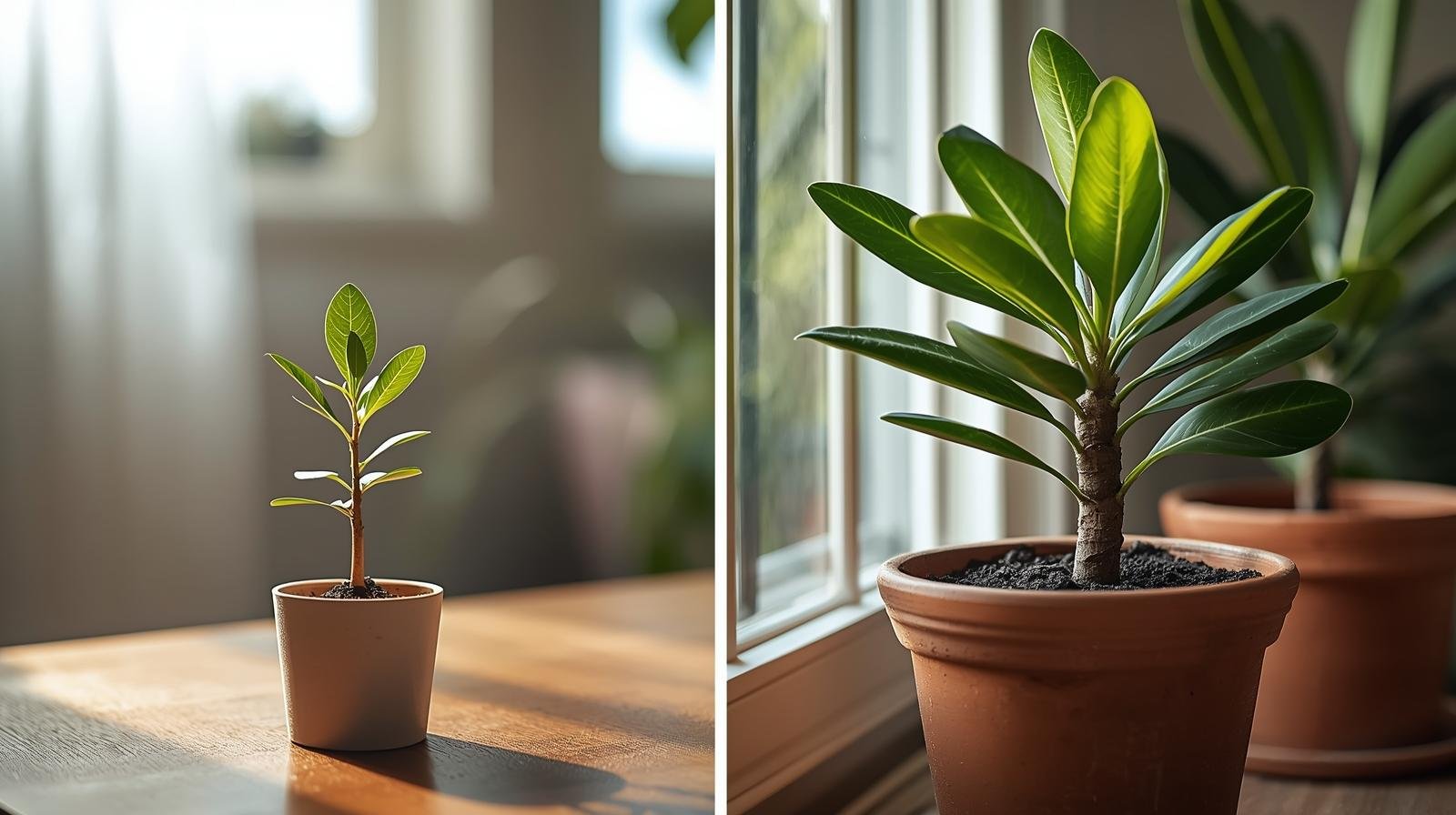
Introduction: Watching Baobab Seedlings Grow
Growing a baobab tree from seed over 76 days is a fascinating process. Time-lapse observation highlights germination, early leaf growth, and root development. Baobabs are slow-growing but resilient trees. Observing daily changes teaches patience and horticultural insight. Seedlings respond to light, water, and soil conditions. Tracking growth allows gardeners to adjust care in real-time. Organic cultivation ensures chemical-free seedlings. Time-lapse provides an educational perspective on plant development. Growth tracking encourages consistent care.
Day 1-7: Seed Preparation and Planting
Begin by selecting mature baobab seeds. Scarify the seed coat lightly for water absorption. Soak seeds in warm water overnight. Prepare small containers with well-draining sandy loam soil. Plant seeds half an inch deep. Water gently to maintain moisture. Place containers in bright, indirect sunlight. Observe daily for soil moisture and signs of swelling.
Day 8-14: Early Germination Signs
Seeds begin to swell and soften. Tiny root tips may emerge in some cases. Keep soil damp without waterlogging. Avoid disturbing seeds during this stage. Maintain stable temperature above seventy-five degrees Fahrenheit. Germination can vary based on seed quality. Observe gradual changes to monitor health. Early attention sets the stage for seedling vigor.
Day 15-21: Sprouting Begins
Small green shoots emerge from the soil surface. Seedlings are delicate and require gentle handling. Maintain consistent moisture and light. Rotate pots to ensure uniform growth. Monitor for pests such as aphids or fungus gnats. Gradually acclimate seedlings to slightly stronger light. Sprouting indicates successful scarification. Observing daily growth is exciting for gardeners.
Day 22-28: First True Leaves
Seedlings develop their first set of true leaves. Photosynthesis begins actively supporting growth. Water consistently, allowing soil to dry slightly between sessions. Fertilize lightly with diluted organic solution. Ensure temperature stability. Prune any damaged leaves carefully. Monitor leaf color for nutrient deficiency signs. Healthy leaves indicate strong seedlings.
Day 29-35: Rapid Leaf Expansion
Leaves grow larger and stems strengthen. Maintain watering routine. Gradually increase sunlight exposure. Fertilize weekly with organic nutrients. Observe for early signs of pests or fungal infection. Ensure proper airflow around seedlings. Healthy expansion demonstrates strong photosynthetic activity. Leaf growth accelerates root development.
Day 36-42: Stem Thickening
Seedlings develop stronger stems. Support fragile stems if necessary. Continue balanced watering and fertilization. Monitor root health in case of compacted soil. Adjust containers as needed. Prune damaged leaves to maintain vigor. Stem thickening is a sign of resilience. Proper care during this period ensures long-term survival.
Day 43-49: Secondary Leaves Appear
New leaves develop above first true leaves. Root system expands to support additional foliage. Fertilization encourages balanced growth. Avoid excessive water that may drown roots. Rotate seedlings for uniform sunlight exposure. Monitor environmental variables closely. Secondary leaf growth signals healthy adaptation. Seedlings respond positively to consistent care.
Day 50-56: Preparing for Transplant
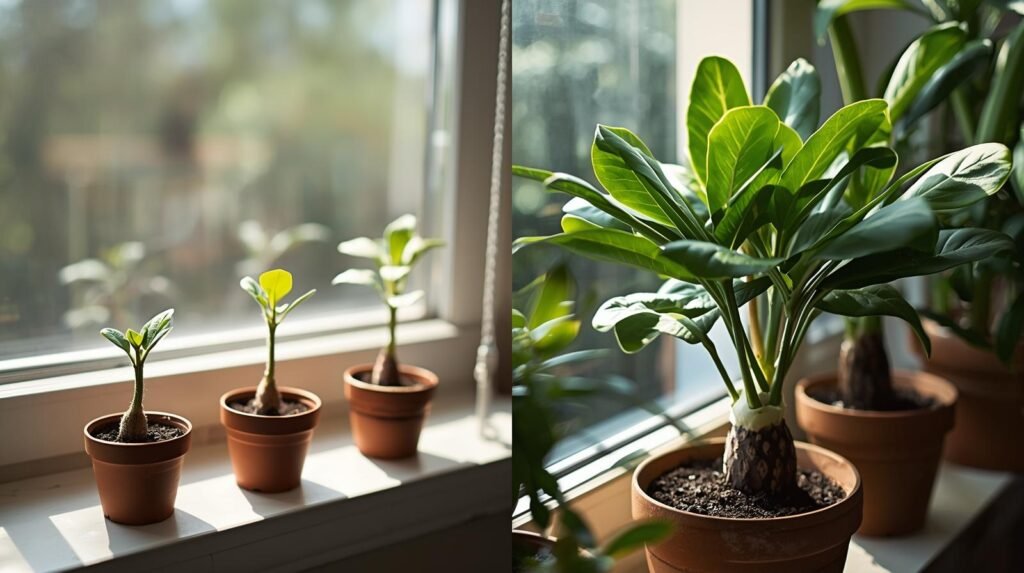
Seedlings may be ready for larger pots. Choose pots with adequate drainage. Loosen roots carefully before transferring. Avoid damaging taproot. Fill gaps with fresh soil gradually. Water lightly post-transplant. Maintain humidity and light balance. Gradual adjustment reduces shock. Proper transplantation ensures continued healthy growth.
Day 57-63: Post-Transplant Care
Water seedlings carefully. Avoid overwatering after pot change. Fertilize lightly to encourage root establishment. Monitor for signs of transplant stress. Adjust light intensity gradually. Maintain warm and stable temperatures. Observation ensures seedlings adapt successfully. Proper post-transplant care strengthens seedlings.
Day 64-70: Strengthening Stems and Leaves
Seedlings develop thicker stems and additional leaves. Continue consistent watering and fertilization. Prune damaged or yellowing leaves. Ensure good airflow around seedlings. Rotate pots for uniform growth. Monitor for pests or fungal issues. Stem and leaf strengthening is critical for long-term survival. Healthy seedlings adapt better to outdoor conditions.
Day 71-76: Ready for Further Growth
By day seventy-six, seedlings are stronger with multiple leaves. Root systems are established and ready for ongoing growth. Maintain balanced water and nutrient supply. Gradually acclimate to outdoor conditions. Monitor for environmental stress. Seedlings now demonstrate resilience and healthy development. Long-term care planning begins. Successful early growth ensures future tree vitality.
Table: 76-Day Baobab Seedling Growth Tracker
Day Range
Activities and Observations
Day 1-7
Seed soaking and planting in well-draining soil
Day 8-14
Seed swelling and root tip emergence
Day 15-21
Sprouting above soil surface
Day 22-28
First true leaves appear
Day 29-35
Leaf expansion and stem strengthening
Day 36-42
Secondary leaves and root growth
Day 43-49
Preparing for transplant to larger containers
Day 50-56
Post-transplant care and monitoring
Day 57-63
Stem thickening and leaf strengthening
Day 64-76
Seedlings ready for ongoing growth and acclimation