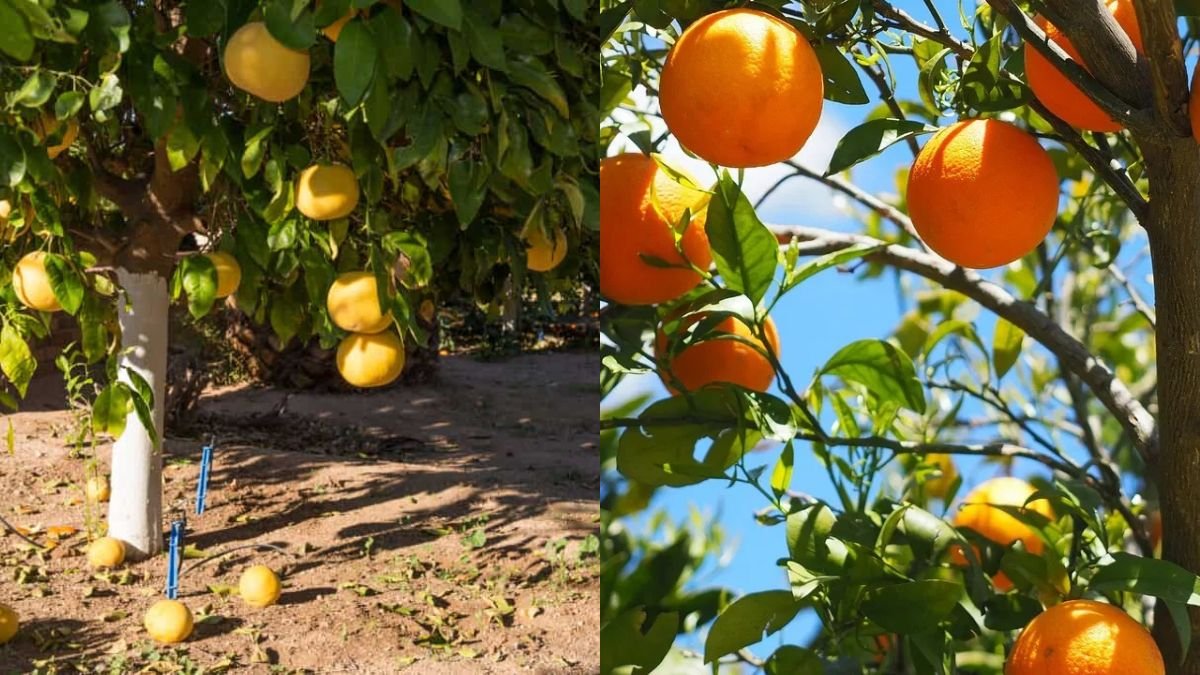
1. Introduction to Growing Grapefruit from Seed
Growing a grapefruit tree from seed is a long but rewarding journey. Many gardeners enjoy watching a tree grow from a simple seed. This method is economical and educational. Seed-grown trees develop strong root systems. Although fruiting takes time, the process is fulfilling. Grapefruit trees adapt well to home environments. Understanding each stage ensures success. Patience is essential for this method.
2. Understanding Seed-Grown Grapefruit Trees
Seed-grown trees may differ slightly from parent fruit. Growth is vigorous but slower to fruit. These trees are often stronger and more resilient. Genetic variation affects fruit taste slightly. However, quality is usually excellent. Seed-grown trees live long lives. Strong roots support longevity. Understanding expectations avoids disappointment.
3. Selecting Fresh Grapefruit Seeds

Choose seeds from ripe, healthy fruit. Avoid damaged or shriveled seeds. Clean seeds thoroughly. Fresh seeds germinate faster. Avoid dried seeds from old fruits. Proper selection improves success. Seed quality affects growth rate. Healthy seeds are crucial.
4. Cleaning and Preparing Seeds
Remove all pulp from seeds. Rinse under clean water. Soak seeds overnight to improve germination. Discard floating seeds. Dry slightly before planting. Proper preparation speeds sprouting. Clean seeds reduce fungal risk. Preparation improves results.
5. Best Containers for Seed Germination
Use small pots with drainage holes. Seed trays also work well. Containers should allow root development. Avoid shallow containers. Drainage prevents waterlogging. Clean containers reduce disease. Proper container choice supports growth. Container quality matters.
6. Soil Mix for Seed Germination
Use light, well-draining soil. Mix garden soil with sand and compost. Avoid compacted soil. Soil should retain moisture lightly. Sterile soil reduces disease risk. Good soil encourages root growth. Proper mix improves germination. Healthy soil supports seedlings.
7. Planting Seeds Correctly
Plant seeds one inch deep. Cover lightly with soil. Water gently after planting. Do not compact soil. Place pot in warm location. Maintain moisture during germination. Avoid direct sunlight initially. Proper planting ensures sprouting.
8. Germination Conditions
Warm temperature improves germination. Keep soil moist but not wet. Cover pots lightly to retain humidity. Ventilation prevents mold. Seeds sprout in two to four weeks. Patience is required. Consistency improves success. Proper conditions matter.
9. Early Seedling Care
Seedlings need gentle care. Provide indirect sunlight initially. Water lightly and regularly. Avoid fertilizer at early stage. Thin weak seedlings if needed. Proper care strengthens plants. Early mistakes affect growth. Gentle handling is essential.
10. Transferring Seedlings to Larger Pots
Once seedlings grow several leaves, transfer to larger pots. Handle roots carefully. Use fresh soil mix. Water after transplanting. Gradually increase sunlight. Transplanting supports growth. Avoid root disturbance. Proper transfer improves survival.
11. Sunlight Requirements
Seedlings gradually need more sunlight. Six to eight hours daily is ideal. Direct sunlight strengthens stems. Avoid harsh midday sun initially. Rotate pots for even growth. Light exposure improves leaf color. Proper lighting supports development. Sunlight is essential.
12. Watering Routine
Water when topsoil feels dry. Avoid overwatering. Ensure drainage holes work properly. Morning watering is best. Adjust watering with seasons. Balanced moisture prevents stress. Overwatering causes root problems. Consistency is key.
13. Fertilizing Seed-Grown Trees
Begin fertilizing after two months. Use diluted organic fertilizer. Citrus fertilizers support growth. Avoid excess nitrogen. Feed every few weeks. Balanced nutrition improves strength. Fertilization supports leaf and root development. Proper feeding matters.
14. Pruning Young Grapefruit Trees
Prune lightly to shape the tree. Remove weak branches. Encourage strong structure. Avoid heavy pruning early. Pruning improves airflow. Shaping helps future fruiting. Gentle pruning supports growth. Structure matters long-term.
15. Pest and Disease Prevention
Inspect leaves regularly. Neem oil controls pests. Good airflow reduces disease. Avoid wet leaves overnight. Remove infected leaves immediately. Healthy plants resist pests. Prevention is easier than treatment. Clean gardening practices help.
16. Acclimatizing Trees Outdoors
Gradually move indoor plants outdoors. Start with partial shade. Increase sun exposure slowly. Protect from wind initially. Acclimatization prevents shock. Outdoor growth improves strength. Gradual change ensures success. Transition carefully.
17. Flowering Timeline
Seed-grown trees take several years to flower. Flowering occurs when tree matures. Nutrition and sunlight affect timing. Stress delays flowering. Healthy care encourages blooms. Patience is necessary. Flowering signals maturity.
18. Fruit Development
After pollination, fruits develop slowly. Proper watering supports fruit growth. Nutrients affect size and taste. Avoid stress during fruiting. Fruits mature over months. Harvest when fully ripe. Quality improves with patience.
19. Challenges of Seed-Grown Grapefruit
Long wait for fruit is common. Space requirement is high. Genetic variation affects fruit. However, growth experience is valuable. Strong root system is beneficial. Trees live long lives. Challenges are manageable. Rewards outweigh difficulties.
20. Conclusion – Growing Grapefruit from Seed
Growing grapefruit from seed is a rewarding long-term project. Proper care ensures healthy growth. Patience is essential for success. Seed-grown trees are strong and resilient. Home gardeners gain valuable experience. Fresh fruit rewards effort. The journey is enjoyable. Start today for future harvests.
📊 Table: Grapefruit from Seed Timeline
| Stage | Description | Time Period |
|---|---|---|
| Germination | Seed sprouting | Two to four weeks |
| Seedling stage | Leaf development | First six months |
| Tree growth | Vegetative growth | One to four years |
| Fruiting | Mature production | Five to seven years |