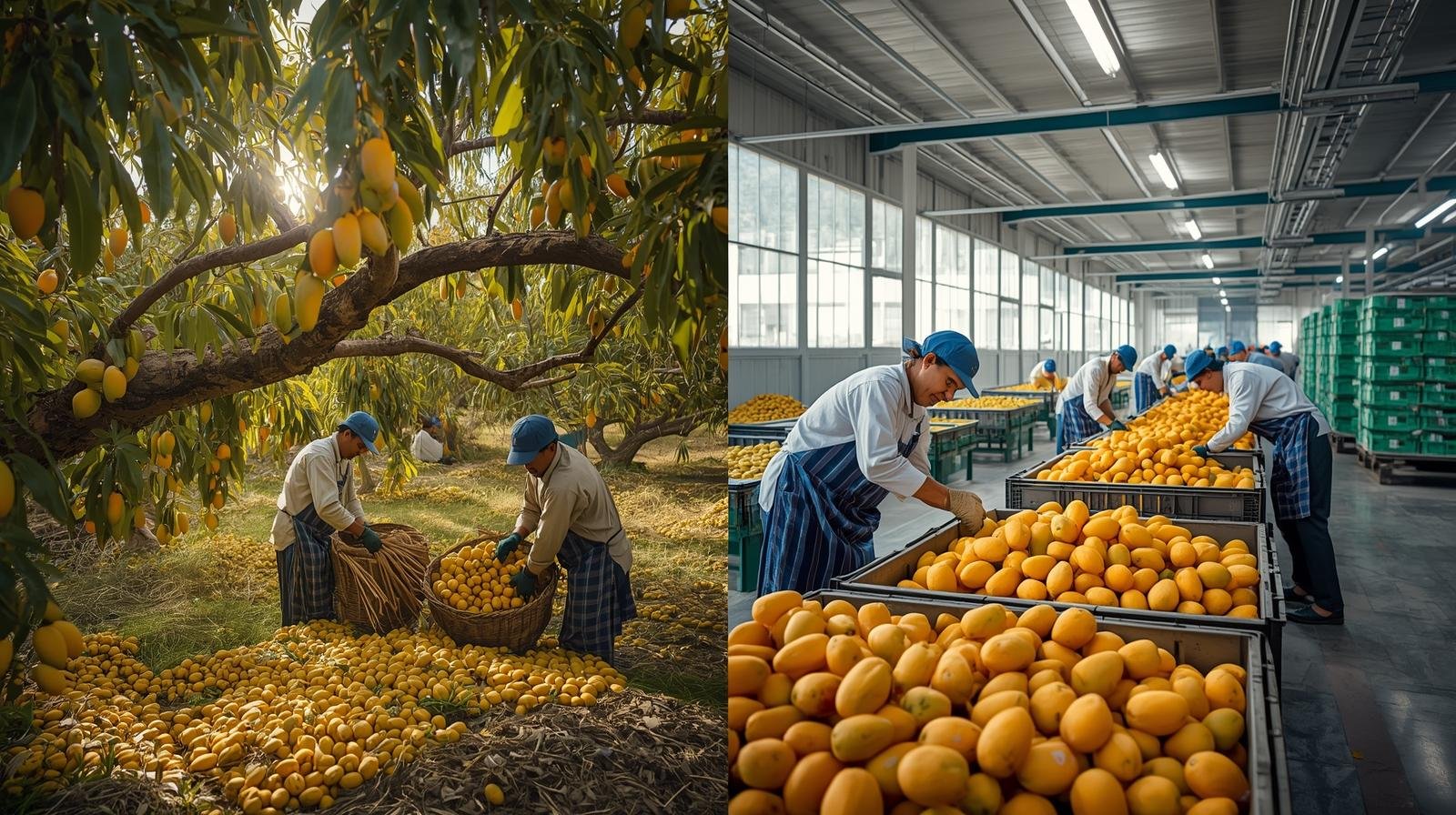
Mangoes are one of the most beloved tropical fruits worldwide, prized for their sweetness, vibrant color, and versatility in culinary uses. While mangoes are grown in many countries, a few nations dominate global production and supply. Understanding where most of the world’s mangoes come from reveals important insights into agriculture, climate adaptation, and international trade. Mangoes are not only a dietary staple but also a significant export commodity. This article explores the top mango-producing countries, why they excel in production, and how global demand shapes cultivation practices.
Global Mango Production Overview
Mangoes thrive in tropical and subtropical climates with abundant sunlight and well-drained soil. Global production has increased steadily over the last decades due to rising international demand. Mangoes are cultivated for both domestic consumption and export markets. Major producing countries include India, China, Thailand, Mexico, and Indonesia. Production volume varies based on climate, soil fertility, irrigation, and farming practices. Mango trees can bear fruit multiple times annually in ideal conditions. Understanding production trends helps analyze trade patterns and market dynamics.
Key Factors in Mango Production
Climate is the most critical factor for mango cultivation. Mangoes require warm temperatures, minimal frost, and consistent rainfall. Soil quality, drainage, and pH levels affect fruit development. Large-scale farms and modern management practices increase yield efficiency. Access to irrigation ensures stability during dry periods. Disease and pest control prevents crop loss. Government policies, trade incentives, and research support farmers. Technological advancements improve productivity and post-harvest handling. These factors collectively determine which countries dominate production.
India: The Mango Giant
India is the largest mango-producing country globally, contributing over forty percent of total production. It has a diverse range of mango varieties including Alphonso, Kesar, Dasheri, and Langra. Mango cultivation is spread across several states, primarily Uttar Pradesh, Maharashtra, Andhra Pradesh, and Karnataka. India’s tropical climate, fertile soil, and extensive irrigation infrastructure allow large-scale production. Mango is deeply embedded in Indian culture and cuisine. Domestic consumption is high, but India also exports significant volumes to the Middle East, Europe, and North America. India’s production leadership is unmatched due to scale and variety diversity.
China’s Rising Mango Production
China ranks second in global mango production, focusing mainly on southern provinces like Hainan, Guangxi, and Yunnan. Favorable subtropical climate supports year-round mango cultivation. Chinese farms often use modern irrigation and greenhouse techniques. Domestic demand drives most production, while exports target nearby Asian markets. China’s investments in research and hybrid varieties enhance yield and disease resistance. Consistency in production ensures a stable supply for both local and regional markets. China’s mango industry is steadily expanding to meet growing consumption.
Thailand’s Mango Industry
Thailand is a significant mango producer, with cultivation concentrated in the central and northern regions. Popular varieties include Nam Dok Mai and Keo Savoy. Thailand focuses on export-oriented production, supplying markets in Japan, South Korea, and Europe. Climate, irrigation infrastructure, and modern processing facilities support quality export mangoes. Thai farmers use controlled harvesting techniques to ensure optimal ripeness. The industry also emphasizes packaging and branding for international markets. Thailand’s strategic approach enhances its global competitiveness.
Mexico’s Mango Production
Mexico is a top mango-producing country in Latin America, primarily cultivating Tommy Atkins, Ataulfo, and Kent varieties. Major producing states include Sinaloa, Nayarit, and Michoacán. Mexico’s mango production is highly export-oriented, with North America being the main destination. Favorable weather, large plantations, and mechanized harvests ensure high yield. Mexican mangoes are known for their durability and long shelf life, making them ideal for international shipping. Trade agreements with the United States and Canada facilitate market access. Mexico’s production emphasizes quality and consistency.
Indonesia’s Mango Output
Indonesia produces mangoes in Java, Sumatra, and Bali. The country grows a variety of local and hybrid mangoes suitable for domestic consumption. Production is smaller than India, China, or Thailand but caters to local markets and regional export. Fertile volcanic soil and tropical climate favor mango cultivation. Farmers often grow mangoes in mixed orchards with other tropical fruits. Indonesian mango production is increasing due to domestic demand and growing regional trade. Investments in irrigation and post-harvest handling improve output quality.
Comparison of Global Mango Production

India, China, Thailand, Mexico, and Indonesia collectively produce the majority of the world’s mangoes. Production volumes vary based on climate, land availability, and farming practices. India leads due to sheer scale, variety, and cultural integration. China and Thailand focus on both domestic consumption and exports. Mexico specializes in export-oriented mango varieties. Indonesia emphasizes domestic consumption with growing regional trade. Production differences reflect market focus and infrastructure availability.
Table: Top Mango-Producing Countries
| Country Name | Annual Production | Main Mango Varieties | Primary Export Markets |
|---|---|---|---|
| India | Very high | Alphonso, Kesar, Dasheri, Langra | Middle East, Europe, North America |
| China | High | Aiwen, Jinhuang | Southeast Asia |
| Thailand | Medium | Nam Dok Mai, Keo Savoy | Japan, Europe, South Korea |
| Mexico | Medium | Tommy Atkins, Ataulfo, Kent | North America |
| Indonesia | Medium | Arumanis, Gadung | Regional markets |
Why Climate Is Critical for Mango Production
Mango trees thrive in tropical climates with temperatures ranging from seventy to ninety degrees Fahrenheit. Excessive rainfall during flowering reduces fruit set, while drought stress limits growth. Humidity and sunlight directly impact flowering and fruit quality. Regions with fertile, well-drained soils produce higher yields. Proper climate conditions minimize disease risks and enhance fruit flavor. Optimal climate is a key reason certain countries dominate global production. Adaptation techniques like irrigation and greenhouse management help expand production into new regions.
Economic Impact of Mango Production
Mango production generates significant income for farmers and national economies. Millions of smallholder farmers depend on mango cultivation for their livelihoods. Export-oriented production supports foreign exchange earnings. Processing mangoes into pulp, juice, and dried products adds value and increases profitability. Employment opportunities extend to harvesters, packers, transporters, and traders. Rural economies benefit from associated industries like packaging and transportation. Governments promote mango cultivation through subsidies, research, and trade support. Mangoes are therefore both economically and culturally vital.
Export Strategies and Market Preferences
Export success depends on quality, shelf life, and marketing. Countries like Mexico and Thailand focus on durable, high-quality mango varieties for long-distance shipment. Packaging, cold storage, and controlled ripening improve marketability. Indian mango exports emphasize premium varieties like Alphonso for niche markets. Market preference influences variety selection, harvest timing, and post-harvest handling. Retailers and distributors ensure steady supply to meet consumer demand. Effective export strategies strengthen global trade positions.
Harvesting and Post-Harvest Management
Proper harvesting is critical to maintain quality. Mangoes are picked at appropriate maturity to ensure flavor and shelf life. Manual harvesting is common in India and Thailand, while mechanized methods are used in Mexico. Post-harvest handling includes washing, grading, packaging, and cold storage. These steps prevent spoilage and improve marketability. International standards require specific packaging and quality checks. Efficient post-harvest management ensures mangoes reach consumers in peak condition. This enhances both domestic and export trade.
Challenges in Global Mango Production
Mango cultivation faces threats from climate variability, pests, and diseases. Drought, excessive rain, and temperature extremes affect fruit set. Pests such as mango hoppers and mealybugs reduce yield. Fungal and bacterial diseases also pose risks. Labor shortages impact timely harvesting. Exporters must comply with strict phytosanitary regulations. Market price fluctuations affect profitability. Producers invest in technology, irrigation, and pest management to mitigate risks. Resilience strategies are essential for long-term production.
Future Outlook for Mango Production
Global mango demand is expected to grow steadily. India will likely remain the top producer due to scale and variety. Emerging markets in Asia, Europe, and North America present new opportunities. Technological advancements improve yield, disease resistance, and post-harvest management. Value-added products like mango pulp and dried mango expand revenue streams. Sustainable farming practices will gain importance to meet environmental and trade standards. The mango industry’s growth remains robust, driven by both domestic and international demand.