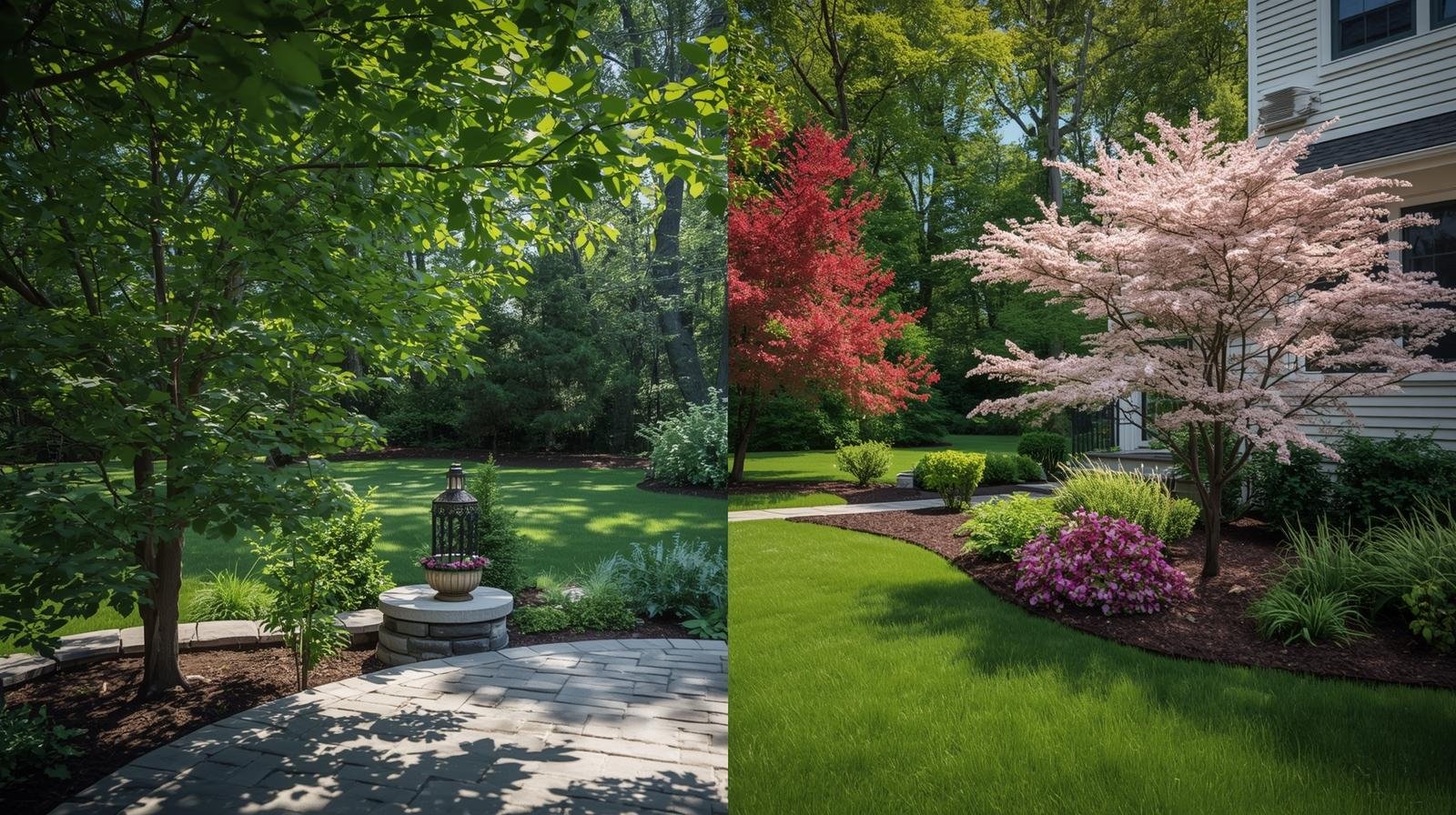
Small ornamental trees are perfect for adding shade, visual appeal, and character to residential yards. Unlike large canopy trees, they require less space while enhancing aesthetics and property value. These trees can be planted along walkways, patios, or in garden beds to create focal points. Ornamental trees offer seasonal color, fragrant blooms, and sometimes edible fruit. Selecting the right tree for climate, soil, and maintenance preferences ensures long-lasting beauty. This article explores popular small ornamental trees, planting tips, care routines, and how to maximize both shade and style.
Benefits of Small Ornamental Trees
Small ornamental trees provide multiple benefits. They offer natural shade, reducing heat around patios and outdoor seating. They enhance curb appeal and landscaping design. Many trees bloom seasonally, adding color and fragrance. They can attract birds, butterflies, and beneficial insects. Small trees are easier to maintain than large trees and fit urban or suburban yards. Some provide edible fruit, adding both function and beauty. Roots are less invasive, reducing risks to infrastructure. Overall, ornamental trees enhance both aesthetics and environment.
Japanese Maple (Acer palmatum)
Japanese Maple is a popular small ornamental tree. It grows slowly to moderate height, typically under twenty feet. Its foliage varies in color, ranging from green to red and purple. The tree adds elegance with lacy leaves and a graceful form. Japanese Maple thrives in partial shade and well-draining soil. It requires regular watering and minimal pruning. This tree is ideal for patios, bonsai, or focal garden points. Its seasonal color changes make it a visual delight throughout the year.
Crape Myrtle (Lagerstroemia indica)
Crape Myrtle is known for long-lasting summer blooms and attractive bark. Flowers can be pink, white, red, or purple. The tree typically grows between ten to twenty-five feet. It tolerates full sun and various soil types. Crape Myrtle provides dappled shade, creating a comfortable garden space. Pruning encourages flowering and maintains shape. Its ornamental bark adds winter interest. Crape Myrtle is low-maintenance, drought-tolerant, and perfect for smaller yards with colorful impact.
Dogwood (Cornus florida)

Dogwood is a versatile ornamental tree with striking flowers and seasonal foliage. Spring blooms are white, pink, or red, followed by vibrant fall foliage. The tree grows up to fifteen to twenty feet, making it suitable for yards and small gardens. Dogwood prefers partial shade and well-drained soil. Its delicate flowers attract pollinators like bees and butterflies. Regular mulching and watering support growth. Dogwood adds visual interest across seasons, combining style and natural charm. It is ideal for creating garden focal points or shade.
Redbud (Cercis canadensis)
Redbud is a small ornamental tree with striking pink or purple spring flowers. The tree grows up to twenty feet tall and spreads gracefully. It thrives in well-drained soil and full sun to partial shade. Redbud’s heart-shaped leaves add aesthetic appeal throughout the growing season. The tree provides light shade suitable for patios or small lawns. It requires minimal pruning and moderate watering. Redbud attracts pollinators and adds vibrant color to any landscape. Its compact size and ornamental blooms make it highly desirable.
Serviceberry (Amelanchier spp.)
Serviceberry is a small ornamental tree valued for spring flowers, edible berries, and fall foliage. It grows up to twenty-five feet tall, with multi-season appeal. Spring produces white blossoms that attract pollinators. Summer yields small, sweet berries for birds and humans. Fall leaves turn brilliant shades of orange, red, and yellow. Serviceberry prefers full sun to partial shade and well-draining soil. Regular watering and pruning maintain shape. Its combination of flowers, fruit, and foliage makes it ideal for yards requiring both shade and beauty.
Table: Popular Small Ornamental Trees
| Tree Name | Average Height | Bloom Season | Shade Provided |
|---|---|---|---|
| Japanese Maple | Fifteen to twenty feet | Spring to Fall | Light to moderate |
| Crape Myrtle | Ten to twenty-five feet | Summer | Moderate |
| Dogwood | Fifteen to twenty feet | Spring | Moderate |
| Redbud | Fifteen to twenty feet | Spring | Light |
| Serviceberry | Twenty to twenty-five feet | Spring and Summer | Moderate |
Ornamental Cherry Trees
Ornamental cherries produce showy flowers in spring. Popular varieties include Kwanzan and Yoshino cherry. Trees grow up to twenty feet, offering filtered shade. Cherry blossoms attract pollinators and create picturesque landscapes. Full sun and moist, well-draining soil support healthy growth. Pruning maintains shape and encourages flowering. Seasonal interest is high, with vibrant spring blooms and attractive bark. Ornamental cherries enhance aesthetics and provide a serene atmosphere in yards.
Planting Tips for Small Ornamental Trees
Select trees based on mature height and spread. Consider sunlight, soil type, and drainage. Dig a hole twice as wide as the root ball. Mix compost into native soil to improve fertility. Water thoroughly after planting. Mulch around the base to retain moisture and regulate temperature. Avoid planting too close to structures. Proper planting ensures healthy growth and long-term beauty.
Watering and Maintenance
Newly planted trees require regular watering. Maintain soil moisture during the first growing season. Deep watering encourages strong root development. Reduce frequency once established, based on tree species and climate. Fertilize during active growth with balanced nutrients. Monitor for pests and diseases. Prune for shape, airflow, and flower production. Regular maintenance supports health, longevity, and consistent shade.
Enhancing Shade with Ornamental Trees
Plant multiple trees strategically to create dappled or filtered shade. Consider tree spacing to prevent overcrowding. Mix species with varying heights and foliage density. Shade reduces heat and protects understory plants. Small trees can be placed near patios or seating areas. Combination planting enhances garden aesthetics. Well-planned shade increases usability and comfort of outdoor spaces. Ornamental trees balance style and function effectively.
Seasonal Color and Interest
Choose trees that provide color across seasons. Spring flowers, summer foliage, fall leaves, and winter bark create year-round appeal. Multi-season trees enhance garden aesthetics and curb appeal. Planting diverse species ensures continuous visual interest. Seasonal variations attract birds and pollinators. Trees with flowers and fruit offer edible or decorative benefits. Planning for color creates dynamic, engaging landscapes. Visual interest enhances property value.
Environmental Benefits
Small ornamental trees contribute to local ecology. They provide habitat for birds, insects, and beneficial wildlife. Trees improve air quality by absorbing carbon dioxide. Roots prevent soil erosion and increase soil fertility. Shade reduces energy costs by cooling surrounding areas. Trees support pollinator populations critical for food production. Planting small trees contributes to sustainable landscaping. Ecological benefits enhance both yard and environment.
Selecting Trees for Limited Spaces
Compact or columnar varieties fit narrow yards or urban gardens. Consider root growth and canopy size. Container planting is possible for patios or terraces. Dwarf or slow-growing species reduce maintenance. Matching tree choice with garden scale prevents overcrowding. Small ornamental trees provide beauty without compromising space. Proper selection ensures long-term satisfaction and shade utility. Planning space-efficient plantings maximizes yard potential.
Table: Small Ornamental Trees for Limited Yards
| Tree Name | Max Height | Ideal Location | Maintenance Level |
|---|---|---|---|
| Japanese Maple | Twenty feet | Patio, walkway | Moderate |
| Redbud | Twenty feet | Lawn or garden bed | Low |
| Crape Myrtle | Twenty-five feet | Front yard, border | Low |
| Dwarf Cherry | Fifteen feet | Container or small yard | Moderate |
| Serviceberry | Twenty-five feet | Mixed garden | Low |
Enhancing Garden Style
Combine ornamental trees with shrubs, flowers, and ground covers. Use trees as focal points or framing elements. Seasonal blooms and foliage complement existing landscaping. Layering plant heights adds depth and texture. Incorporate garden features like benches or pathways under tree shade. Colorful leaves, bark patterns, and flowers enhance visual appeal. Trees contribute to an inviting, stylish outdoor space. Balanced garden design integrates form and function.
Tree Care Tips for Longevity
Prune dead or diseased branches regularly. Fertilize during growing season for optimum health. Maintain soil moisture and avoid waterlogging. Monitor for pests and treat promptly. Mulch annually to conserve water and regulate temperature. Avoid mechanical damage during lawn maintenance. Inspect for root health periodically. Proper care ensures long-lasting beauty, shade, and structural stability.
Benefits Beyond Shade
Small ornamental trees improve mental well-being through greenery and natural beauty. They provide spaces for relaxation and outdoor activities. Trees attract birds and pollinators, enhancing biodiversity. They improve microclimate by reducing heat and increasing humidity. Decorative trees increase property value. They offer seasonal changes that enrich lifestyle experiences. Integration of small trees in yards promotes harmony with nature. Well-maintained trees serve functional, aesthetic, and ecological purposes.