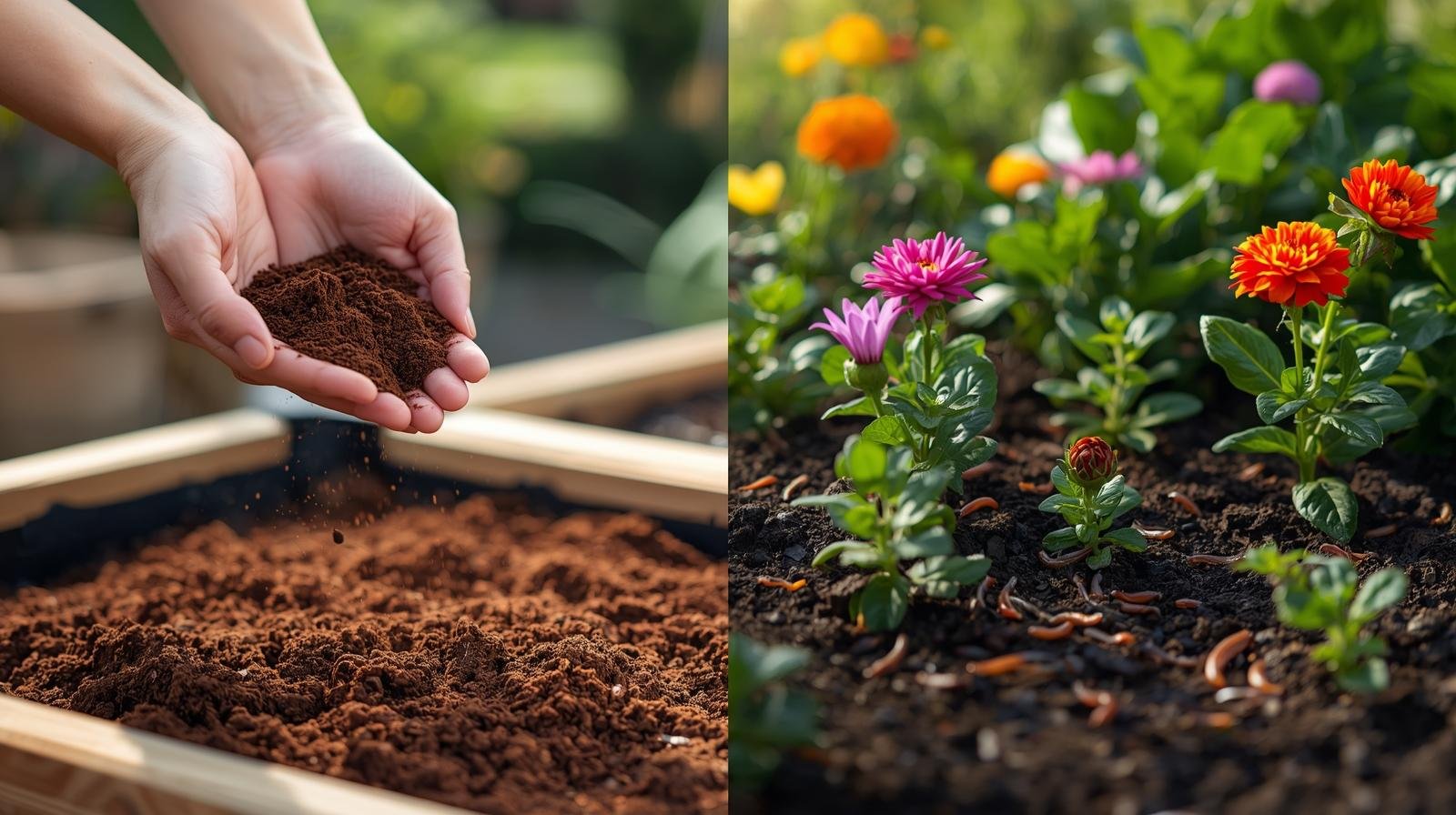
Coffee grounds are a valuable byproduct of daily coffee consumption that can benefit your garden in multiple ways. Instead of discarding them, coffee grounds can improve soil quality, attract beneficial organisms, and support plant growth. They are rich in organic matter and nutrients like nitrogen, making them ideal for enriching garden soil. However, improper use may harm plants due to acidity or over-application. Understanding the right way to use coffee grounds maximizes benefits while minimizing risks. This article provides step-by-step guidance for incorporating coffee grounds into your garden effectively.
Nutritional Benefits of Coffee Grounds
Coffee grounds contain essential nutrients including nitrogen, potassium, phosphorus, and trace minerals. Nitrogen promotes leafy growth and healthy root development. Potassium enhances flower and fruit production. Phosphorus supports strong roots and improves overall plant resilience. Trace minerals contribute to soil fertility and microbe activity. Using coffee grounds enriches nutrient-deficient soils. Organic matter improves soil structure and water retention. Nutritional benefits make coffee grounds a valuable garden amendment.
Using Coffee Grounds as Fertilizer
Coffee grounds can be used directly as a slow-release fertilizer. Sprinkle evenly over the soil surface. Lightly mix with topsoil to prevent crusting. Avoid thick layers that may compact and reduce aeration. Apply around vegetable beds, flowers, or shrubs. Regular applications every few weeks maintain nutrient supply. Coffee grounds are best used with other organic fertilizers. Consistent use promotes strong, healthy plants. This method is simple, cost-effective, and sustainable.
Composting with Coffee Grounds
Coffee grounds are an excellent addition to compost piles. They are considered “green” compost material due to their nitrogen content. Mix with “brown” materials like leaves, straw, or cardboard for balanced compost. Regular turning improves aeration and decomposition. Coffee grounds accelerate microbial activity. Finished compost is rich in nutrients and beneficial for all garden plants. Composting prevents waste and reduces landfill contribution. Incorporating grounds into compost is environmentally friendly and highly effective.
Coffee Grounds as Mulch
Used coffee grounds can serve as mulch around plants. Spread a thin layer around the base of plants. Mulching conserves moisture, suppresses weeds, and regulates soil temperature. Avoid thick layers that may compact and inhibit water penetration. Combine with other mulch materials like straw or bark for best results. Coffee grounds decompose slowly, adding nutrients to the soil over time. Mulch also attracts beneficial earthworms. Proper mulching enhances soil health and plant growth.
Coffee Grounds for Acid-Loving Plants
Certain plants thrive in acidic soils, and coffee grounds can adjust soil pH slightly. Use around blueberries, azaleas, rhododendrons, and roses. Sprinkle grounds sparingly and mix into the top layer of soil. Excessive use may increase soil acidity too much. Monitor plant health and growth regularly. Coffee grounds provide a natural, mild acidification method. They also enrich soil structure and fertility. Correct usage encourages vibrant blooms and foliage.
Attracting Beneficial Soil Organisms
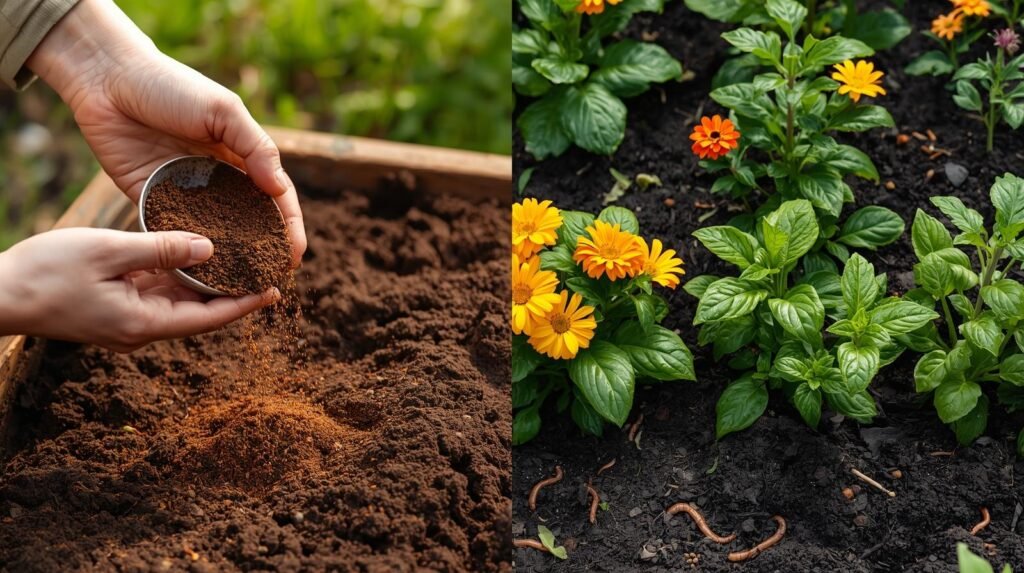
Coffee grounds attract earthworms and other beneficial organisms. Earthworms aerate the soil and improve nutrient cycling. Microorganisms break down organic matter and enhance soil fertility. Sprinkle coffee grounds lightly to encourage these organisms. Avoid over-application, which may deter earthworms temporarily. Regular addition supports a healthy garden ecosystem. Soil life contributes to long-term productivity and plant resilience. Coffee grounds enhance the garden’s natural microbe balance.
Pest Control Uses
Coffee grounds can deter certain pests such as slugs, snails, and ants. Sprinkle a barrier around vulnerable plants. The texture and slight bitterness discourage these pests from approaching. Avoid placing grounds directly on seedlings or delicate plants. Combine with other natural deterrents for maximum effect. Coffee grounds are safe and chemical-free. Pest control enhances plant health. Using coffee grounds reduces dependence on synthetic pesticides. Gardeners benefit from natural, sustainable pest management.
Table: Coffee Ground Usage Guide
| Use | Application Method | Frequency | Notes |
|---|---|---|---|
| Fertilizer | Sprinkle and mix into soil | Every 2-3 weeks | Thin layers only |
| Compost | Mix with brown materials | Continuous | Maintain moisture |
| Mulch | Spread around plant base | Monthly | Thin even layer |
| Acid-Loving Plants | Mix into topsoil | Every 4-6 weeks | Monitor pH |
| Pest Deterrent | Sprinkle barrier | As needed | Avoid seedlings |
Avoiding Common Mistakes
Do not overapply coffee grounds, as thick layers can repel water and compact soil. Avoid using flavored or sweetened coffee grounds on plants. Mix grounds with other organic matter for balanced nutrition. Ensure compost piles do not become too acidic. Avoid direct contact with young seedlings to prevent growth inhibition. Monitor soil moisture and health regularly. Correct handling ensures optimal results. Proper application maximizes benefits without harming plants.
Coffee Grounds for Seed Starting
Coffee grounds can improve seed starting mixes when blended lightly with soil. They enhance moisture retention and microbial activity. Mix in small quantities with potting soil. Avoid excessive nitrogen that may harm seedlings. Use for herbs, vegetables, or flowers. Coffee grounds provide a natural growth boost. They enrich soil with essential nutrients from the start. Seedlings develop stronger roots and healthier foliage.
Coffee Grounds in Container Gardening
Coffee grounds are ideal for potted plants. Mix lightly with potting soil to improve drainage and nutrition. Coffee grounds retain moisture, reducing the need for frequent watering. Use for indoor plants, herbs, and small shrubs. Avoid compacting the grounds at the pot base. Regular incorporation ensures continuous nutrient supply. Container plants benefit from improved aeration and organic matter. Coffee grounds support sustainable urban gardening.
Incorporating Coffee Grounds into Raised Beds
Coffee grounds work well in raised garden beds. Mix into topsoil or compost layer before planting. Grounds improve soil structure, water retention, and nutrient content. Incorporate gradually to prevent pH imbalance. Combine with mulch or other organic materials. Raised beds benefit from microbial activity stimulated by coffee grounds. Soil fertility improves over time. Proper integration ensures long-term garden productivity.
Fertility Boost for Flowering Plants
Coffee grounds enhance flowering by providing nitrogen and other nutrients. Sprinkle around the base of flowering plants like roses, marigolds, or geraniums. Mix lightly with soil to avoid crusting. Fertilization promotes lush foliage and vibrant blooms. Monitor plant response and adjust application frequency. Regular use supports sustained flowering. Coffee grounds serve as an inexpensive, natural fertilizer. Healthy flowers improve garden aesthetics.
Preventing Soil Compaction
Mix coffee grounds with organic matter to reduce soil compaction. Coffee grounds improve aeration and drainage. Avoid piling grounds in thick layers. Incorporate gradually into topsoil. Reduced compaction allows roots to penetrate more effectively. Enhanced root growth improves nutrient uptake. Soil structure benefits from regular coffee ground addition. Proper management strengthens overall soil health.
Coffee Grounds for Vegetable Gardens
Coffee grounds provide nutrients to vegetables such as tomatoes, peppers, and leafy greens. Mix lightly into the soil or compost. Enhance microbial activity for better nutrient cycling. Apply every few weeks during the growing season. Avoid excess nitrogen on young seedlings. Coffee grounds improve soil fertility naturally. Vegetable yield and quality benefit. Proper usage reduces dependence on synthetic fertilizers.
Long-Term Benefits of Coffee Grounds in the Garden
Regular use improves soil fertility, structure, and moisture retention. It encourages beneficial organisms and pest control. Composting grounds reduces household waste. Long-term incorporation enhances plant health and yield. Organic matter improves resilience against drought and pests. Coffee grounds contribute to sustainable gardening practices. Gardens thrive with reduced chemical inputs. Long-term application ensures consistent garden productivity.