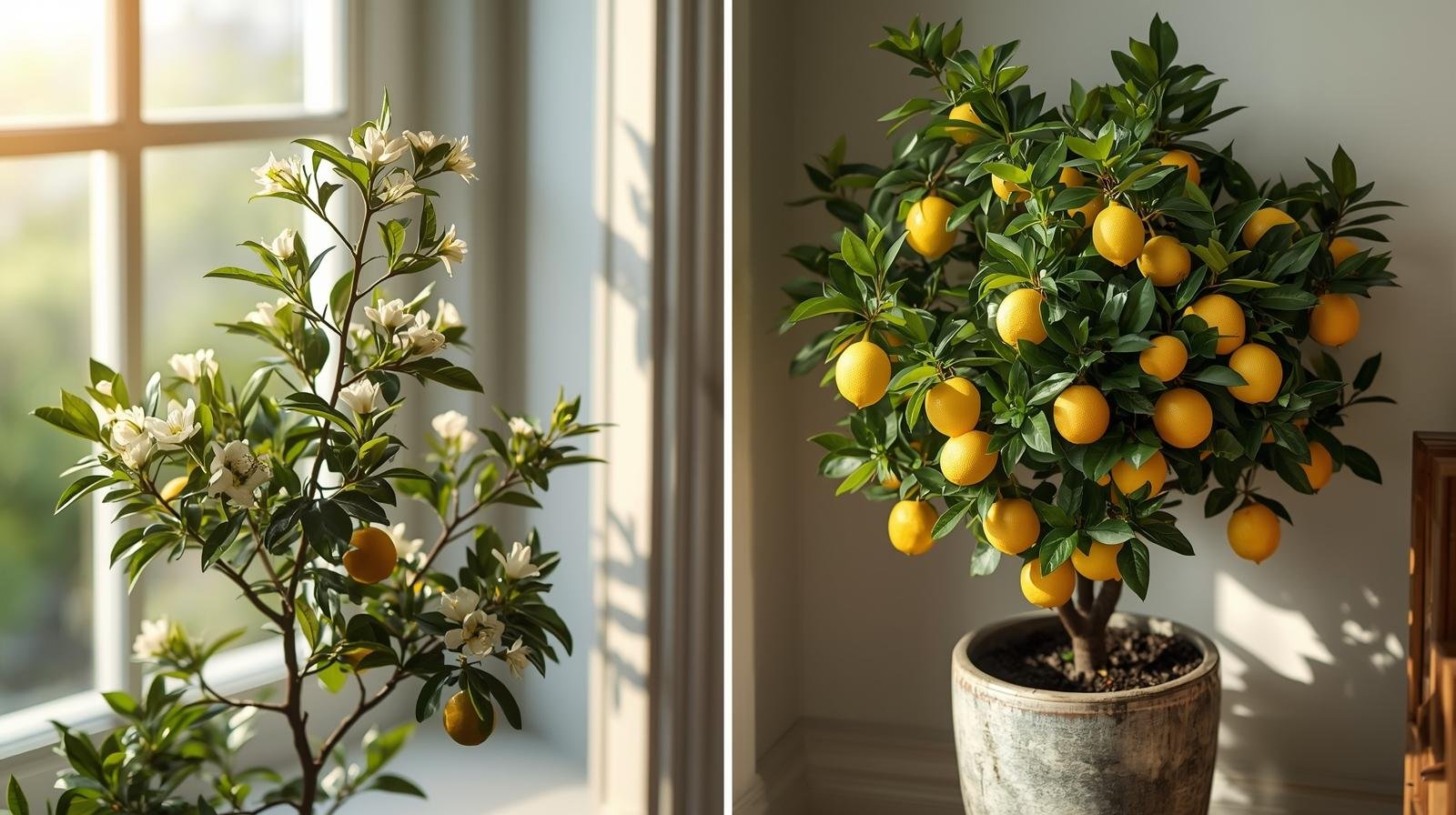
Introduction: Why Indoor Lemon Growing Is Popular
Growing lemons indoors allows year-round access to fresh citrus. Indoor lemon trees suit small homes and apartments. They provide fragrant blossoms and decorative appeal. Homegrown lemons taste better than store-bought ones. Indoor growing protects trees from harsh weather. With proper care, lemon trees thrive indoors. Gardening indoors offers convenience and control. Lemon trees also improve indoor air quality. Indoor citrus growing is rewarding and practical.
Choosing the Right Lemon Variety for Indoors
Dwarf lemon varieties work best indoors. Meyer lemon is the most popular choice. It produces sweeter fruit and adapts well to containers. Compact size suits limited space. Grafted trees fruit faster. Choose healthy nursery plants. Avoid seed-grown lemons for indoor use. Proper variety selection ensures success. Right choice simplifies care.
Benefits of Growing Lemons Indoors
Indoor lemons offer continuous harvest potential. They provide fresh flavor for cooking and drinks. Indoor growing reduces pest exposure. Decorative foliage enhances interiors. Fragrance improves mood. Controlled environment increases success. Year-round production is possible. Indoor lemons save money long-term. Convenience makes them desirable.
Container Selection for Indoor Lemon Trees
Choose containers with drainage holes. Size should allow root expansion. Clay pots improve airflow. Plastic pots retain moisture. Lightweight containers ease movement. Use saucers to catch excess water. Avoid overcrowding roots. Proper container selection supports growth. Root health ensures fruiting.
Soil Requirements for Indoor Lemon Trees
Use well-draining citrus potting mix. Avoid heavy garden soil. Soil should retain moisture without waterlogging. Organic matter improves fertility. Slightly acidic soil suits lemons. Refresh soil periodically. Good soil prevents root problems. Healthy roots support fruiting. Soil quality matters greatly.
Light Requirements for Indoor Lemons
Lemon trees need bright sunlight daily. Place near south-facing windows. Six to eight hours of light is ideal. Grow lights help during winter. Rotate plants for even growth. Insufficient light causes leaf drop. Consistent lighting supports flowering. Light management is critical.
Watering Indoor Lemon Trees Correctly
Water when top soil feels dry. Avoid overwatering. Ensure excess water drains away. Consistent moisture supports growth. Underwatering causes stress. Use room-temperature water. Adjust frequency seasonally. Balanced watering prevents problems. Proper hydration ensures health.
Temperature and Humidity Needs
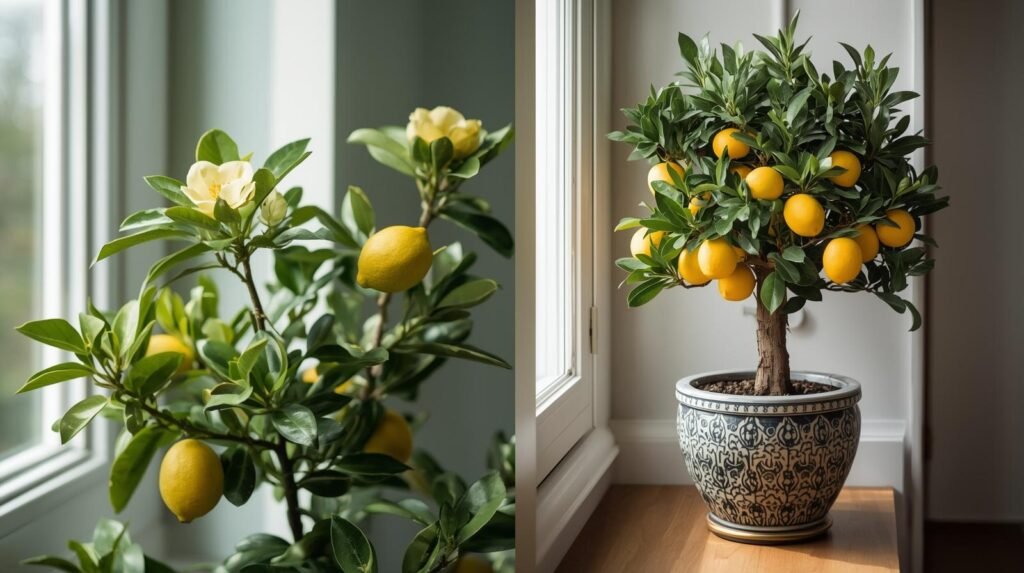
Lemons prefer moderate indoor temperatures. Avoid cold drafts. Keep away from heaters. Maintain humidity levels. Dry air causes leaf drop. Use humidifiers if needed. Stable conditions support growth. Temperature balance encourages flowering. Comfort ensures productivity.
Fertilizing Indoor Lemon Trees
Use citrus-specific fertilizer. Feed during growing season. Avoid overfertilization. Balanced nutrients support fruiting. Reduce feeding in winter. Organic fertilizers work well. Nutrient consistency matters. Proper feeding improves yield. Moderation is key.
Pruning and Shaping Indoor Lemon Trees
Pruning maintains size and shape. Remove dead or weak branches. Improve airflow and light penetration. Prune lightly after fruiting. Avoid heavy pruning indoors. Shape encourages balanced growth. Healthy structure supports fruit. Careful pruning improves aesthetics.
Pollination for Indoor Lemon Trees
Indoor lemons may need hand pollination. Use soft brush to transfer pollen. Pollinate during flowering. Gentle movement helps. Pollination improves fruit set. Indoor conditions lack natural pollinators. Hand pollination ensures success. Simple technique yields results.
Managing Pests Indoors
Common pests include aphids and spider mites. Inspect leaves regularly. Wipe leaves with damp cloth. Use neem oil if needed. Avoid chemical sprays indoors. Healthy plants resist pests. Good airflow prevents infestations. Early detection is important.
Encouraging Flowering and Fruiting
Consistent light and feeding encourage blooms. Avoid stressing the plant. Stable conditions support bud formation. Proper pruning helps. Pollination ensures fruit development. Patience is necessary. Indoor lemons may fruit slower. Consistent care rewards growers.
Seasonal Care for Indoor Lemons
Adjust watering in winter. Reduce fertilizer during dormancy. Increase light exposure. Monitor temperature changes. Rotate plant placement. Seasonal awareness improves health. Adapt care routines accordingly. Indoor growing requires flexibility.
Common Mistakes in Indoor Lemon Growing
Overwatering is the biggest mistake. Insufficient light weakens plants. Ignoring humidity causes leaf drop. Overfertilization reduces fruiting. Poor drainage leads to root rot. Awareness prevents failure. Knowledge improves success. Careful observation is essential.
Harvesting Indoor Lemons Properly
Harvest lemons when fully yellow. Gently twist fruit off branch. Avoid pulling forcefully. Mature fruit tastes best. Regular harvesting encourages new blooms. Use sharp tools if needed. Proper harvesting protects plant. Enjoy fresh citrus anytime.
Storing and Using Indoor Lemons
Store lemons at room temperature briefly. Refrigerate for longer storage. Use fresh in cooking and drinks. Lemon zest adds flavor. Homegrown citrus enhances recipes. Efficient use prevents waste. Fresh lemons elevate meals.
Long-Term Care for Indoor Lemon Trees
Indoor lemons can live for years. Repot when roots outgrow container. Refresh soil annually. Maintain consistent care. Monitor health regularly. Long-term commitment pays off. Trees become productive companions. Sustainable indoor gardening is rewarding.
Table: Indoor Lemon Growing Essentials
Requirement
Bright sunlight for daily growth
Container Size
Medium pot with good drainage
Watering Schedule
When top soil feels dry
Best Variety
Meyer lemon for indoor success