Introduction: Why Dill Is a Must-Have Herb for Every Garden
Dill is one of the most popular herbs used for pickling, cooking, and garnishing. Its fresh aroma and feathery leaves add a unique flavor to dishes. Growing dill at home ensures a constant supply of fresh leaves and seeds throughout the season. Dill grows easily both indoors and outdoors with minimal effort. It matures quickly, making it ideal for beginner gardeners. Fresh dill enhances homemade pickles significantly. Store-bought dill often lacks aroma. Homegrown dill provides superior taste and freshness.
Understanding Dill Plant Growth and Characteristics
Dill is an annual herb that grows rapidly under suitable conditions. It has soft, feathery leaves and tall hollow stems. Dill prefers cooler temperatures during early growth stages. The plant produces yellow umbrella-shaped flowers later in the season. Both leaves and seeds are edible. Dill has a shallow root system, making it sensitive to transplanting. Understanding its growth habit helps improve success. Dill completes its life cycle quickly.
Choosing the Best Dill Varieties for Home Growing
There are several dill varieties suitable for home gardens. Bouquet dill is popular for pickling due to high seed production. Fernleaf dill is compact and ideal for containers. Mammoth dill grows tall and produces abundant seeds. Choosing the right variety depends on available space. Compact varieties suit indoor growing. Taller varieties perform better outdoors. Selecting quality seeds ensures healthy plants. Variety choice affects flavor and harvest.
Growing Dill from Seeds: Best Practices
Dill grows best when directly sown from seeds. Transplanting often damages roots. Sow seeds shallowly in loose soil. Germination occurs quickly under warm conditions. Thin seedlings to avoid overcrowding. Direct sowing improves root strength. Seed quality affects germination rate. Proper spacing ensures healthy growth. Seeds should be planted successively for continuous harvest.
How to Grow Dill Indoors Successfully
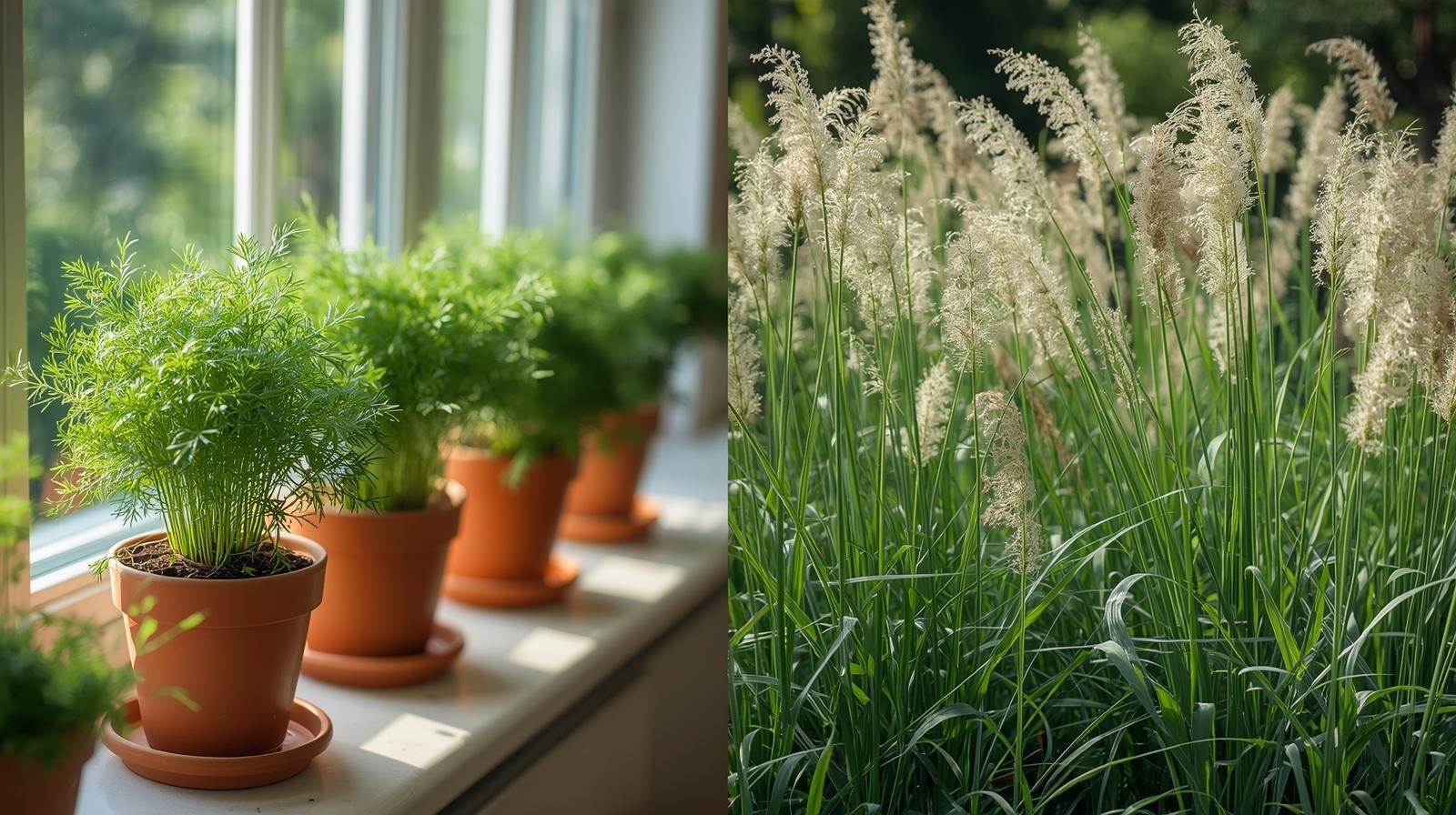
Indoor dill requires bright light and proper airflow. A sunny windowsill works well. Containers should have drainage holes. Indoor temperatures should remain moderate. Grow lights can supplement natural light. Regular harvesting encourages bushier growth. Indoor dill grows slower than outdoor plants. Careful watering prevents root rot. Indoor growing allows year-round harvest.
How to Grow Dill Outdoors in Garden Beds
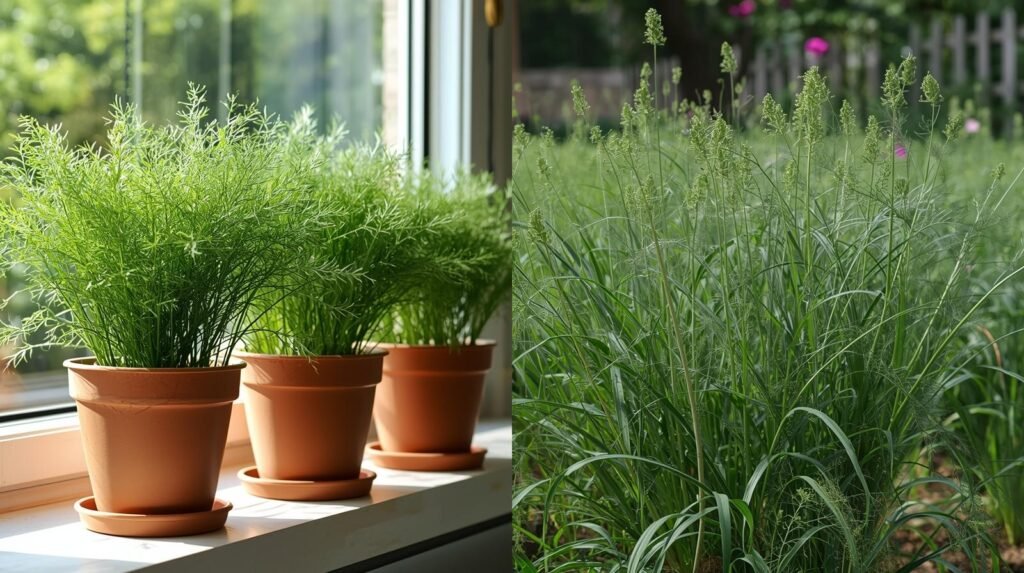
Outdoor dill thrives in full sun. Choose a location protected from strong winds. Well-drained soil promotes healthy roots. Sow seeds directly in prepared soil. Space plants adequately for air circulation. Outdoor dill grows taller and stronger. Natural sunlight enhances flavor. Regular watering supports growth. Outdoor conditions favor seed production.
Best Soil Requirements for Dill Plants
Dill prefers light, well-draining soil. Avoid heavy clay soils. Adding compost improves soil fertility. Slightly neutral soil pH is ideal. Overly rich soil may reduce flavor. Loose soil supports root expansion. Soil preparation improves growth rate. Healthy soil leads to aromatic leaves. Good drainage prevents disease.
Light and Temperature Needs for Dill
Dill requires several hours of sunlight daily. Partial shade is acceptable in hot climates. Excessive heat causes early flowering. Cool temperatures encourage leaf production. Indoor light must be consistent. Outdoor sunlight improves oil content. Temperature control affects flavor quality. Proper lighting prevents leggy growth.
Watering Dill Correctly for Continuous Growth
Dill needs consistent moisture but not soggy soil. Overwatering causes root problems. Allow soil surface to dry slightly. Use gentle watering methods. Container-grown dill dries faster. Outdoor plants rely on rainfall and irrigation. Balanced watering supports leaf growth. Stress from drought affects flavor.
Fertilizing Dill Plants Properly
Dill does not need heavy fertilization. Excess nutrients reduce essential oil content. Use compost or diluted organic fertilizer. Feed sparingly during growth. Avoid nitrogen-heavy fertilizers. Light feeding supports healthy leaves. Overfeeding leads to weak flavor. Balanced nutrition maintains plant health.
Pruning and Harvesting Dill Leaves
Harvest dill leaves regularly to delay flowering. Cut leaves from the outer sections. Never remove more than one-third at once. Frequent harvesting encourages fresh growth. Use clean scissors or fingers. Harvest early morning for best flavor. Pruning improves airflow. Regular harvesting increases yield.
Harvesting Dill Seeds for Pickling
Allow plants to flower and set seeds. Seed heads turn brown when mature. Cut seed heads carefully. Dry seeds in a ventilated area. Store seeds in airtight containers. Dill seeds are essential for pickling. Homegrown seeds have stronger flavor. Proper drying ensures long storage.
Succession Planting for All-Season Dill
Dill matures quickly and bolts easily. Succession planting ensures continuous supply. Sow seeds every few weeks. This method provides fresh leaves throughout the season. Indoor and outdoor planting can overlap. Continuous planting prevents shortages. Planning ahead improves harvest consistency. Succession planting maximizes yield.
Common Problems When Growing Dill
Early bolting is common in hot weather. Poor germination results from old seeds. Yellow leaves indicate overwatering. Weak growth suggests insufficient light. Pest damage may occur occasionally. Identifying problems early helps recovery. Most issues are easily corrected. Experience improves success.
Managing Pests and Diseases on Dill
Dill is generally pest-resistant. Aphids and caterpillars may appear. Hand removal is effective. Neem oil can be used safely. Good airflow prevents fungal diseases. Avoid overhead watering. Healthy plants resist pests better. Organic control methods work well.
Growing Dill in Containers Successfully
Container growing suits small spaces. Use deep pots for root support. Ensure good drainage. Place containers in sunny locations. Containers dry faster than garden beds. Monitor moisture closely. Container dill grows compact. Ideal for balconies and kitchens.
Benefits of Growing Dill at Home
Fresh dill improves food quality. Homegrown herbs are chemical-free. Gardening reduces stress. Dill attracts beneficial insects outdoors. Indoor growing enhances décor. Growing dill saves money. Fresh herbs elevate cooking. Dill is easy and rewarding.
Using Fresh Dill in Cooking and Pickling
Fresh dill enhances pickles, salads, and soups. Leaves have mild flavor. Seeds provide strong aroma. Use fresh leaves immediately after harvest. Store briefly in refrigeration if needed. Fresh dill improves homemade recipes. Cooking with herbs boosts nutrition. Homegrown dill tastes superior.
Dill Growing Summary Table
| Aspect | Best Practice |
|---|---|
| Light | Full sun to partial shade |
| Soil | Light, well-draining |
| Water | Moderate and consistent |
| Harvest | Frequent leaf cutting |
| Use | Pickling and cooking |